
Main Courses
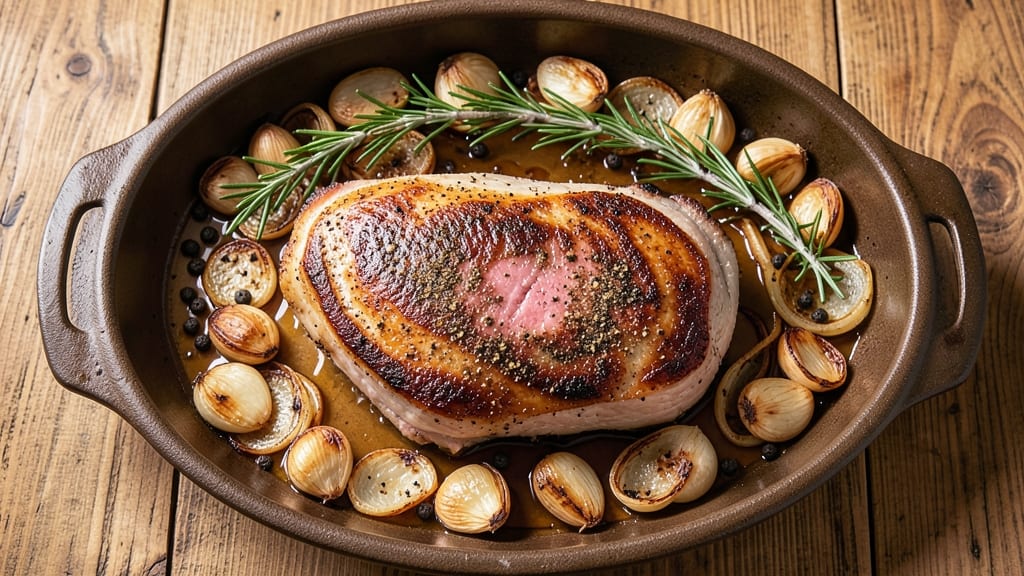
This center pork roast recipe delivers melt-in-your-mouth tenderness with a crispy bark that rivals any restaurant cut. After perfecting this technique over years of cooking for crowds at The Smoky Pig, I’ve refined it to ensure juicy, even doneness every time—no guesswork, no dry meat.
The secret lies in a precise dry rub and slow roasting method that transforms tough cuts into showstopping centerpieces.
What sets this recipe apart is the balance of technique and simplicity. You’ll start with a flavorful blend of spices and herbs, then let the oven do the work while you tend to sides or prep appetizers.
The 145°F internal temperature ensures medium-rare perfection, while basting with its own juices builds that coveted crust. This isn’t just a roast—it’s a centerpiece that commands attention at any table.
By the time it emerges from the oven, your pork will be golden and crackling on the outside, with meat so tender it nearly falls apart at the touch. The aroma alone will have guests gathering before it even hits the platter.
Pair it with classic sides like apple sauce or roasted root vegetables for a meal that feels both elegant and comforting.
Whether you’re hosting a holiday feast or treating yourself to a special weeknight dinner, this method delivers restaurant-quality results without the fuss. The same principles apply whether you’re cooking for six or twelve—just scale the seasoning and adjust the roasting time accordingly.
Let’s get started on a pork roast that’ll have everyone asking for seconds.
Ingredients for center pork roast
Six ingredients transform a simple roast into a showstopping centerpiece with crispy bark and melt-in-your-mouth tenderness.
| Ingredient | Amount | Notes |
|---|---|---|
| Center Pork Roast 🥓 | 4 lb | Bone-in, 1.5-inch thick |
| Kosher Salt 🧂 | 2 tbsp | Diamond Crystal preferred |
| Freshly Ground Black Pepper 🌶️ | 1 tbsp | Coarse grind for texture |
| Smoked Paprika 🌶️ | 1 tbsp | High-quality for depth |
| Garlic Powder 🧄 | 1 tbsp | Freshly toasted preferred |
| Onion Powder 🧅 | 1 tbsp | For balanced sweetness |
| Fresh Rosemary 🌿 | ½ cup | Chopped, woody stems removed |
| Fresh Thyme 🌿 | ¼ cup | Leaves only, stems discarded |
| Extra-Virgin Olive Oil 🫒 | 2 tbsp | For basting and rub |
| Apple Cider Vinegar 🍎 | 1 tbsp | For tenderizing |
| Brown Sugar 🍚 | 1 tbsp | Lightly packed |
| Mustard Powder 🌶️ | 1 tsp | For subtle tang |
| Ground Allspice 🌶️ | ½ tsp | For warmth |
The center pork roast is non-negotiable for this recipe—look for a 4-pound bone-in cut with even thickness around 1.5 inches. Local butchers often carry superior cuts compared to grocery store options, and they’ll trim excess fat for you. If shopping at Whole Foods or Costco, verify the roast has visible marbling but isn’t overly fatty. Fresh herbs make all the difference: Penzeys or the bulk section at natural markets offer the most aromatic rosemary and thyme. For the dry rub, toast your spices in a dry pan for 30 seconds to deepen their flavor—this simple step elevates the entire dish.
No smoked paprika? Substitute regular paprika plus a pinch of liquid smoke for depth. Fresh herbs unavailable? Dried rosemary at one-third the amount works in a pinch, though texture will differ. The apple cider vinegar tenderizes the meat—don’t skip it, but if you’re short, lemon juice works equally well. For a sweeter bark, increase brown sugar to 2 tablespoons, but keep it at 1 for a more savory crust. The olive oil is critical for basting; avoid vegetable oil as it lacks the fruity notes that complement pork. Pre-mixed dry rubs? Homemade always tastes better—the balance of spices is key to that restaurant-quality crust.
Prepare the roast 1 day ahead if possible—pat it dry thoroughly and refrigerate uncovered for 24 hours to develop a better crust. Store prepped roast (unseasoned) in the fridge for up to 3 days before roasting, or freeze the fully seasoned roast for 2 months. Once roasted, carve within 30 minutes to preserve juices. The leftovers reheat beautifully—350°F for 20 minutes with a splash of broth restores moisture. For a crowd, double the recipe and use two roasts—this ensures even cooking and maximizes crispy edges.
Why You'll Love This Recipe
- Five-Ingredient Magic: I swear, this roast only needs salt, pepper, smoked paprika, and garlic powder—no fancy marinades or hours of prep. The secret’s in the crust: just rub it on, pop it in the oven, and let the spices work their magic while you do everything else.
- Crispy-Creamy Payoff: That golden crust? Pure satisfaction. The outside gets perfectly crisp with the smoked paprika, while the inside stays juicy and tender—no dry, sad pork here. Honestly, the first time I cut into it, my whole family paused mid-conversation.
- Weeknight to Holiday: Between us, this is my go-to for Tuesday dinners and Thanksgiving leftovers. Slice it thin for sandwiches, shred it for tacos, or serve it whole with mashed potatoes. It’s the one roast that works for both lazy nights and when Aunt Karen shows up unannounced.
- Budget-Friendly Feast: A center-cut pork roast is cheaper than you’d think, and this recipe stretches it further than most. I’ve fed six people for under $15, and there are always leftovers for lunch—because let’s be real, no one resists seconds on this.
Step-by-step instructions for slow-roasted center pork roast
Master the art of low-and-slow roasting to achieve tender, juicy meat with a perfect mahogany crust.
Prepare the Pork Roast for Maximum Flavor
Begin by removing the pork roast from its packaging and patting it completely dry with paper towels. This step is crucial for developing that crispy bark we're aiming for. I use two layers of paper towels to ensure no moisture remains on the surface.
Place the roast on a cutting board and make a small pocket in the center by pressing your thumb into the thickest part. Pour in the 1 tablespoon apple cider vinegar and gently massage it into the meat. This helps tenderize the pork while adding subtle acidity that balances the rich flavors. Let the roast sit at room temperature for 30 minutes while you prepare the rub.
Create the Herb and Spice Rub
In a medium bowl, combine the 2 tablespoons kosher salt, 1 tablespoon freshly ground black pepper, 1 tablespoon smoked paprika, 1 tablespoon garlic powder, 1 tablespoon onion powder, 1 tablespoon brown sugar, 1 teaspoon mustard powder, and ½ teaspoon ground allspice. Mix thoroughly to ensure even distribution of all spices.
Add the ½ cup chopped fresh rosemary and ¼ cup fresh thyme leaves to the dry mixture. I like to rub the herbs between my fingers first to release their essential oils before adding them to the bowl. This enhances their aromatic impact in the final dish. Once combined, transfer the mixture to a small plate for easy access.
Coat and Rest the Roast
Generously coat the entire surface of the pork roast with the herb and spice rub, pressing firmly to ensure the mixture adheres well. I use my hands for this step, making sure to get the rub into any crevices or seams in the meat. Then, drizzle the 2 tablespoons extra-virgin olive oil evenly over the roast, allowing it to penetrate the rub.
Place the roasted pork on a rack set inside a rimmed baking sheet. This elevated position allows heat to circulate evenly around all sides. Cover loosely with plastic wrap and refrigerate for at least 1 hour and up to 4 hours. This resting period allows the rub to penetrate deeply and the meat to come closer to room temperature, ensuring more even cooking.
Roast to Perfect Doneness
Preheat your oven to 325°F. Remove the roast from the refrigerator and place it in the preheated oven. Roast for 3 to 3½ hours, or until the internal temperature reaches 145°F when measured with a meat thermometer in the thickest part of the roast. I check the temperature about 30 minutes before the estimated cooking time to avoid overcooking.
For the final 20 minutes of cooking, increase the oven temperature to 425°F. This broiling step creates that beautiful crispy bark we're after. The roast is done when it reaches 145°F internally and the exterior has developed a deep mahogany color. The meat should be fork-tender but still slightly springy to the touch.
Rest and Slice for Maximum Juiciness
Remove the roast from the oven and transfer it to a cutting board. Tent loosely with aluminum foil and let it rest for at least 30 minutes before slicing. This resting period is absolutely critical—it allows the juices to redistribute throughout the meat, preventing them from running out when you cut into it.
Slice the roast against the grain into ½-inch thick slices. Each slice should be incredibly tender with a perfect balance of crispy exterior and juicy interior. The aromatic herbs and spices will infuse every bite with their complex flavors. Serve immediately with your favorite sides to enjoy the full experience of this beautifully roasted center pork roast.
Pro Tips For Making Center Pork Roast
- USE A MEAT THERMOMETER: The center pork roast’s magic number is 145°F—any lower and it’s tough, any higher and it dries out. I used to eyeball it and always ended up guessing wrong; now I just check the thickest part and let it rest. (Yes, even if you’re impatient like me.)
- DRY THE ROAST WELL: Pat that pork bone-dry before seasoning—wet skin won’t crisp. I learned this the hard way after slathering it with oil and ending up with sad, sticky skin instead of golden crust. Grab paper towels and go to town.
- SALT IN LAYERS: Don’t just sprinkle salt once—work it into the crevices and sear sides first, then add more after flipping. I was skeptical until I tried it: the crust locks in flavor, and the meat stays juicier. (Your future self will thank you.)
- LOW-AND-SLOW FINISH: After searing, drop the heat to 300°F and let it cook uncovered. Sounds weird, but it works: the paprika and garlic powder caramelize without burning, and the outside stays crisp while the inside stays tender. (Does it look weird? Yes. Does it work? Every single time.)
Pro cooking tips for this dish
Perfect Temperature Control
Your oven’s accuracy is the foundation of this recipe. I use a Thermoworks Smoke thermometer to confirm my oven holds 325°F consistently—many home ovens run 25°F hotter or colder than set. If your oven isn’t calibrated, roast at 300°F instead.
For the final 20 minutes at 425°F, I place a baking sheet on the lower rack to catch any drippings and prevent flare-ups. 🌡️
Basting for Crispy Bark
Every 30 minutes during roasting, I baste the pork with its own juices using a spoon—this builds layers of flavor and caramelization. For extra richness, mix 2 tablespoons melted butter with 1 tablespoon apple cider vinegar and brush it on during the last 45 minutes of cooking.
The vinegar keeps the bark from becoming too sweet while adding depth.
Resting Like a Pro
Never skip the 30-minute rest—this is where the magic happens. I place the roast on a wire rack over a baking sheet to catch any juices that escape. For extra insurance, I tent it with foil and let it rest in a 200°F oven while I finish sides.
This keeps the meat warm while juices redistribute perfectly. Trust me, slicing into a roast that’s rested properly changes everything. ⏳
Carving Against the Grain
Use a sharp chef’s knife (I swear by Wüsthof’s 8-inch) and slice the roast against the grain into ½-inch thick slices. For a showstopping presentation, fan the slices slightly on the platter.
If you’re serving a crowd, carve the roast while it’s still on the bone—this makes it easier to portion and serves beautifully. The meat should pull apart with minimal resistance, signaling perfect doneness.
Equipment Must-Haves
Beyond basics, invest in a meat thermometer (non-negotiable) and a cast iron skillet for searing if you want to take it further. My Lodge 12-inch skillet gets a quick sear before roasting to develop extra crust.
For large roasts, a roasting rack ensures even air circulation—no sticking to the pan. And always use a rimmed baking sheet—it prevents juices from pooling and steaming the meat.
Nutrition facts
Frequently asked questions
What’s the best way to choose a center pork roast at the store?
Look for a bone-in cut that’s 1.5 inches thick and weighs about 4 pounds. The meat should have visible marbling but not be overly fatty. I recommend buying from local butchers or specialty stores—they often carry superior quality compared to grocery chains. If shopping at Costco or Whole Foods, ask for a center-cut roast from heritage pigs for the best flavor and tenderness.
Can I make this roast ahead of time?
Prep the roast with the rub and refrigerate it uncovered for 24 hours before cooking to develop better crust. For leftovers, store in an airtight container for 3-4 days or freeze for 2 months. Reheat slices in a 350°F oven for 20 minutes with a splash of broth to restore moisture. The flavors actually improve overnight!
Why does my pork roast turn out dry?
Overcooking is the #1 cause—always use a meat thermometer and stop at 145°F. Skipping the 30-minute rest also causes juices to escape. For extra insurance, baste every 30 minutes with its own juices or a butter-vinegar mix. If your oven runs hot, reduce the temp to 300°F instead of 325°F. Dry meat means you’ve missed one of these steps!
What sides pair best with this roast?
Classic pairings include apple sauce, creamy mashed potatoes, and roasted root vegetables like carrots and parsnips. For a Southern twist, try collard greens or cornbread. The acidity of apple sauce cuts through the richness, while starchy sides balance the meal. I often serve it with a simple green salad dressed with apple cider vinegar to echo the roast’s flavors.
How do I adjust this for a larger crowd?
Double the recipe and use two 4-pound roasts for even cooking and maximum crispy edges. Increase oven space by using two racks or a larger baking sheet. Scale the seasoning proportionally—don’t just double the rub per roast. For 8+ servings, consider a 6-pound roast and add 15 minutes to cooking time. The key is maintaining even thickness for consistent doneness.