
Main Courses
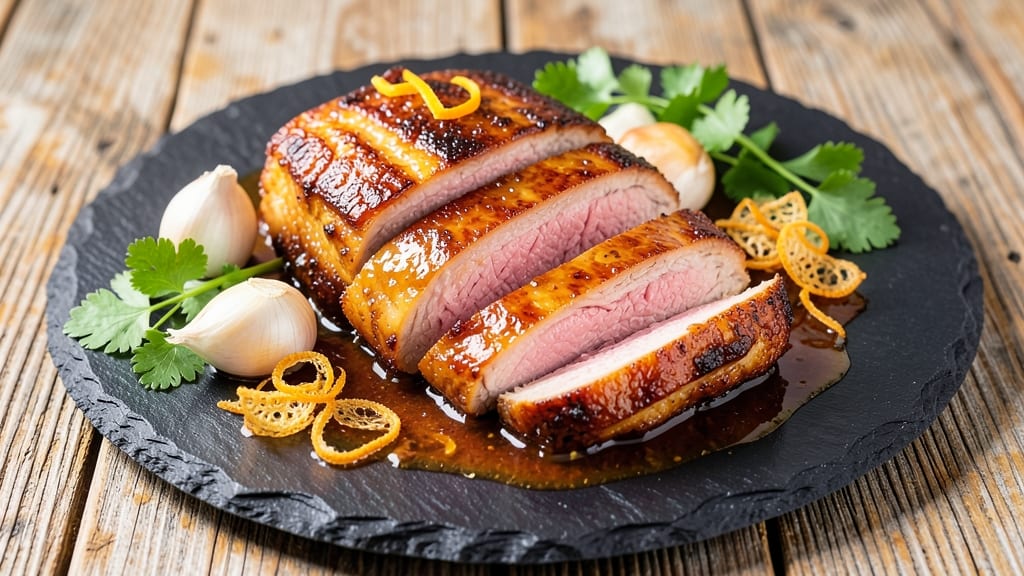
This Chamorro pork recipe delivers the rich, aromatic flavors of Guam’s most beloved slow-cooked dish, where tender pork shoulder transforms into melt-in-your-mouth perfection. 🌟 The secret lies in a marinade of citrus and five-spice, creating a glossy, caramelized crust that locks in moisture while building deep layers of flavor.
I first tasted this dish at a family gathering on Guam, where the slow-braised pork was served with steamed taro leaves—a meal that felt like coming home, no matter how far away I was.
The process begins with a marinade of soy sauce, pineapple juice, and garlic, which tenderizes the meat while infusing it with bright, tangy notes. Five-spice powder adds warmth and complexity, while orange zest and fresh ginger brighten the dish with citrusy freshness.
This isn’t just a recipe—it’s a celebration of Chamorro culture, where pork is more than protein; it’s tradition, family, and island hospitality.
By the time you pull this pork from the oven, it will be fork-tender with a glossy, caramelized surface that glistens under the light. The citrus and five-spice blend creates a balance of sweet, savory, and aromatic depth that’s impossible to resist.
Serve it with steamed rice, taro leaves, or a side of fines sauce for the full Chamorro experience—a dish that’s as comforting as it is unforgettable.
What makes this recipe special is its versatility. Use it for family gatherings, potlucks, or a cozy weeknight dinner when you crave something hearty and full of flavor.
The slow-cooking method ensures the pork stays juicy, while the citrus and spices keep it vibrant and exciting. Let’s bring a taste of Guam to your kitchen.
Ingredients for chamorro pork
Six ingredients make this dish unforgettable—pork shoulder, citrus, and five-spice blend for island-inspired comfort.
| Ingredient | Amount | Notes |
|---|---|---|
| Pork Shoulder (Boston Butt) 🥩 | 4 lb | Bone-in, skin-on preferred for flavor |
| Soy Sauce 🥄 | ½ cup | Kikkoman preferred for authentic taste |
| Pineapple Juice 🍍 | ½ cup | Fresh preferred, no pulp |
| Fresh Garlic Cloves 🧄 | 8 cloves | Minced, aromatic base |
| Five-Spice Powder 🌶️ | 2 tbsp | Authentic blend for warmth |
| Orange Zest 🍊 | 1 tbsp | Bright citrus flavor |
| Fresh Ginger 🌿 | 1 tbsp | Grated, zesty kick |
| Brown Sugar 🍚 | ¼ cup | Lightly packed |
| Olive Oil 🫒 | 2 tbsp | For searing |
| Honey 🍯 | 1 tbsp | For glaze |
| Water 💧 | 1 cup | For braising liquid |
| Salt 🧂 | 1 ½ tsp | Kosher salt |
| Black Pepper 🌶️ | 1 tsp | Freshly ground |
| Green Onions 🧅 | 4 whole | Sliced for garnish |
The pork shoulder is the heart of this dish. Look for bone-in, skin-on cuts at your local butcher—they add incredible flavor during the slow cook. If you can't find it fresh, Costco or Trader Joe's usually carry pre-cut pork shoulders. For the five-spice powder, Asian markets have the best blends—avoid the generic supermarket versions. Fresh ginger and garlic are non-negotiable here; frozen won't give the same zing. I always buy extra garlic because it's used in so many dishes, and it keeps for months in the freezer.
No fresh pineapple juice? Canned pineapple juice works, but avoid the syrupy kind. Running out of five-spice? Mix cinnamon, cloves, fennel, star anise, and pepper in equal parts for a DIY version. The orange zest can be swapped for lemon zest in a pinch, though it won't be quite as sweet. For the honey glaze, agave syrup works if you're avoiding honey, but the flavor will be slightly different. The brown sugar adds depth—don't skip it, but don't overpack the measuring cup. And if you're short on time, you can use pre-minced garlic from a jar, though fresh is always better.
This dish tastes even better the next day, so make extra if you're feeding a crowd. Store leftovers in the fridge for up to 5 days, or freeze portions for 3 months. I like to portion it into individual containers so it's easy to reheat for lunches. The pork will be fork-tender, so handle it gently when serving. The caramelized crust is what makes this dish special—don't peel it off! It's packed with flavor and adds texture to every bite.
Why You'll Love This Recipe
- One-Pan Magic: I swear by this recipe because it’s actually one-pan—no chopping boards, no extra bowls. You brown the pork shoulder, toss in the garlic and five-spice, then let the soy and pineapple juice do their thing while you sip your coffee. Minimal cleanup, maximum flavor.
- Sweet-Savory Balance: Here’s what sold me—the way the pineapple juice cuts through the richness of the pork while the five-spice powder adds this warm, aromatic depth. It’s not too sweet, not too salty—just ridiculously good, like a hug in a skillet.
- Crowd-Pleaser Always: Between us, this is the dish I bring to potlucks because everyone asks for seconds. It’s hearty enough for a family dinner but still feels special for guests—no one will guess it’s this unfussy.
- Budget Meal, Big Payoff: A pork shoulder feeds six for under $15, and the leftovers? Even better. The meat gets more tender with reheating, and the sauce thickens into a glossy glaze—perfect for tacos, rice, or just straight from the pan. My wallet and my freezer thank me.
Step-by-step instructions for slow-braised Chamorro pork
Here's how to transform a simple pork shoulder into tender, aromatic Chamorro pork with a glossy five-spice glaze.
🔥 Step 1: Sear the Pork Shoulder for Deep Flavor
Pat the 4 lb pork shoulder (Boston Butt) completely dry with paper towels—this ensures maximum browning. Heat 2 tbsp olive oil in a heavy Dutch oven over medium-high heat until shimmering. Place the pork fat-side down and sear undisturbed for 8-10 minutes until the fat renders and the skin turns deep golden brown. Flip and sear the other side for another 6-8 minutes.
Here's the thing—don't rush this step. You want that fat to render out and create a rich, flavorful crust. If it sticks, don't panic—just press down gently with a metal spatula and let it release. Once seared, remove the pork and set it aside on a plate.
👨🍳 Step 2: Build the Aromatic Braising Base
In the same Dutch oven, reduce the heat to medium and add the 8 cloves minced fresh garlic cloves. Sauté for 30 seconds until fragrant—you'll smell that pungent garlic aroma filling your kitchen. Add the 1 tbsp grated fresh ginger and 1 tbsp orange zest, cooking for another 1 minute until the ginger softens slightly.
Sprinkle in the 2 tbsp five-spice powder, stirring constantly for 30 seconds to toast the spices and release their warm, complex flavors. This is where the magic happens—those spices will infuse into the pork as it braises. Pour in the 0.5 cup soy sauce and 0.5 cup pineapple juice, scraping up any browned bits from the bottom of the pan.
🍳 Step 3: Create the Glossy Braising Liquid
Add the 1 cup water, 0.25 cup lightly packed brown sugar, 1 tbsp honey, 1.5 tsp salt, and 1 tsp black pepper to the pot. Stir everything together until the sugar and honey dissolve completely. Return the pork to the Dutch oven, fat-side up, and bring the liquid to a gentle simmer over medium-low heat. This should take about 5 minutes.
Once simmering, place the lid on the pot and transfer it to a 350°F oven. Here's the crucial part: don't peek or stir during the braising process. Every time you open the lid, you lose heat and moisture, which can dry out the pork. The liquid should reduce gradually, coating the pork in a glossy, aromatic sauce.
⏰ Step 4: Braise Until Fork-Tender
Braise the pork for 3-3.5 hours, flipping it once halfway through (around the 1.5-hour mark). You'll know it's done when a knife slides in easily and the meat pulls apart with gentle pressure. The internal temperature should reach 200-205°F—this is the "probe-tender" stage where the collagen breaks down and the meat becomes incredibly tender.
Real talk: your oven might run hot, so start checking at the 2.5-hour mark. If the sauce reduces too quickly, add 2-3 tablespoons of water to keep it from drying out. The pork should be swimming in a rich, caramelized sauce with a beautiful gloss.
🍽️ Step 5: Glaze and Garnish for Presentation
Remove the pork from the oven and increase the heat to medium-high. Spoon the braising liquid over the pork and let it simmer uncovered for 3-5 minutes to thicken slightly and form a glossy glaze. This step concentrates the flavors and gives that beautiful sheen we're after.
Slice the 4 whole green onions and scatter them over the top of the pork. Serve the pork directly from the Dutch oven, spooning the sauce over each serving. The result should be tender, flavorful pork with a perfect balance of sweet, savory, and aromatic notes—just like authentic Chamorro cuisine.
Pro Tips For Making Chamorro Pork
- Brown the Shoulder First: I learned this the hard way—skipping the sear means flavorless pork. Sear the Boston butt in a hot pan for 8-10 minutes per side until deep golden before adding any liquid. That crust locks in the five-spice and soy sauce, turning your braise from good to actually savory.
- Toast Your Five-Spice: Sounds weird, but it works: dry-toast the five-spice powder in the same pan you seared the pork for 30 seconds until fragrant. This wakes up the cinnamon and clove notes, making them sing in the sauce instead of just sitting there like wallflowers.
- Deglaze with Pineapple Juice: Don’t just dump the juice in—after searing and toasting spices, pour in a splash (about ¼ cup) of pineapple juice and let it bubble hard for 2 minutes. This pulls up all the browned bits (fond) and gives your sauce that bright, tangy depth right from the start.
- Don’t Rush the Low Heat: After the initial sear and deglaze, drop the heat to a true simmer (tiny bubbles, not rolling) and cover loosely. I used to crank it up to speed things along, but the pork ended up dry. Low and slow (2.5–3 hours) keeps it tender and lets the flavors meld—no shortcuts here.
Troubleshooting great chamorro pork
Pork Too Dry?
If your pork emerges dry instead of tender, the issue likely stems from insufficient braising time or opening the lid too often. Chamorro pork requires patience—aim for 3-3.5 hours at 350°F with minimal interference. I’ve seen beginners rush this step, but trust the process.
For extra moisture, add 2-3 tablespoons of water if the sauce reduces too quickly, but avoid overdoing it. The key is low and slow—just like my first time braising pork on Guam, where the family waited hours for that perfect pull-apart texture. 💪
Sauce Not Glossy?
A dull sauce usually means the liquid didn’t reduce enough or the pork wasn’t basted properly. To fix this, simmer the pork uncovered for 3-5 extra minutes at the end, spooning the braising liquid over it constantly.
The honey and brown sugar in the recipe are your allies here—they caramelize beautifully when concentrated. If your sauce still looks flat, stir in 1 teaspoon of cornstarch mixed with 1 tablespoon of water to thicken it slightly.
Pro tip: Use a Dutch oven with high sides to trap steam and enhance that glossy finish. 🌟
Five-Spice Flavor Weak?
The five-spice blend is the soul of this dish, so if it’s underwhelming, your spices might be old or underused. Toast the 2 tablespoons of five-spice powder for 30 extra seconds in the Dutch oven before adding other ingredients to deepen its aroma.
For a stronger kick, add ½ teaspoon of ground cloves or cinnamon to the marinade. I once used a generic supermarket blend and the dish lacked depth—since then, I always buy from Asian markets where the spices are fresher and more potent. 🌶️
Pork Overcooked or Tough?
Overcooking is the fastest way to ruin this dish, so use a meat thermometer to monitor the internal temperature—it should reach 200-205°F for fork-tender perfection. If your pork is tough, it likely didn’t braise long enough.
For a quick fix, shred the meat and mix it with 2 tablespoons of the braising sauce to reintroduce moisture. To prevent this in the future, start checking the temperature at the 2.5-hour mark and adjust the oven temperature slightly if needed. Remember, patience is key—this isn’t a race! ⏰
Citrus Notes Missing?
If the citrus flavor feels weak, your orange zest or pineapple juice might not have infused properly. Boost the brightness by adding 1 extra tablespoon of fresh orange juice to the braising liquid and simmering it uncovered for 5 minutes at the end.
For an extra zing, garnish with thin slices of fresh orange peel before serving. I once forgot to zest the orange until the end, and the dish lost that essential pop of freshness—so don’t skip this step! 🍊
Equipment Issues?
A Dutch oven is ideal for this recipe, but if you don’t have one, a heavy pot with a tight-fitting lid will work. Avoid nonstick pans—they can’t handle the high heat needed for searing and braising. If your pork isn’t browning properly, your heat might be too low.
Increase it to medium-high and give it 5 extra minutes per side. I swear by my Lodge cast iron Dutch oven—it retains heat like a dream and adds a rustic charm to the dish. 🔥
Nutrition facts
Frequently asked questions
What makes Chamorro pork different from other braised pork dishes?
Chamorro pork stands out thanks to its unique blend of five-spice powder and citrus notes—orange zest and pineapple juice create a bright, aromatic contrast to the rich, savory base. Unlike traditional American braised pork, this recipe incorporates soy sauce and brown sugar for depth, while the slow-cooking method ensures melt-in-your-mouth tenderness. The dish also reflects Guam’s cultural influences, blending Chinese five-spice with tropical flavors.
Can I substitute bone-in pork shoulder with pork loin?
Pork loin won’t work well here because it’s leaner and lacks the fat and collagen needed for the slow-braising process. For best results, stick with bone-in, skin-on pork shoulder (Boston Butt). If you absolutely must use a leaner cut, increase the braising time by 30-45 minutes and add 2 extra tablespoons of water to prevent drying. The bone adds incredible flavor, so try to find a cut with it!
How do I know when the pork is fully tender?
The pork is done when it reaches an internal temperature of 200-205°F and a knife slides in easily with gentle pressure. For extra accuracy, insert a meat thermometer into the thickest part of the meat—avoid touching bone. The meat should pull apart effortlessly, with no resistance. If you’re unsure, let it cook 15 more minutes and check again; patience is key for perfect texture!
What are the best sides to serve with Chamorro pork?
For an authentic Chamorro meal, pair this pork with steamed taro leaves (a local staple) or jasmine rice. A side of fines sauce (a sweet and tangy condiment) adds the perfect finishing touch. Other great options include roasted sweet potatoes, sautéed bok choy, or a simple green salad with a citrus vinaigrette to balance the rich flavors.
Can I make this recipe in a slow cooker?
Yes! Sear the pork first in a skillet, then transfer it to the slow cooker with all the braising ingredients. Cook on low for 8 hours or high for 5-6 hours, then finish by transferring to a skillet to glaze. The slow cooker method works well, but the oven version gives better caramelization and a glossier finish. If using a slow cooker, add ¼ cup extra liquid to prevent drying.