
Main Courses
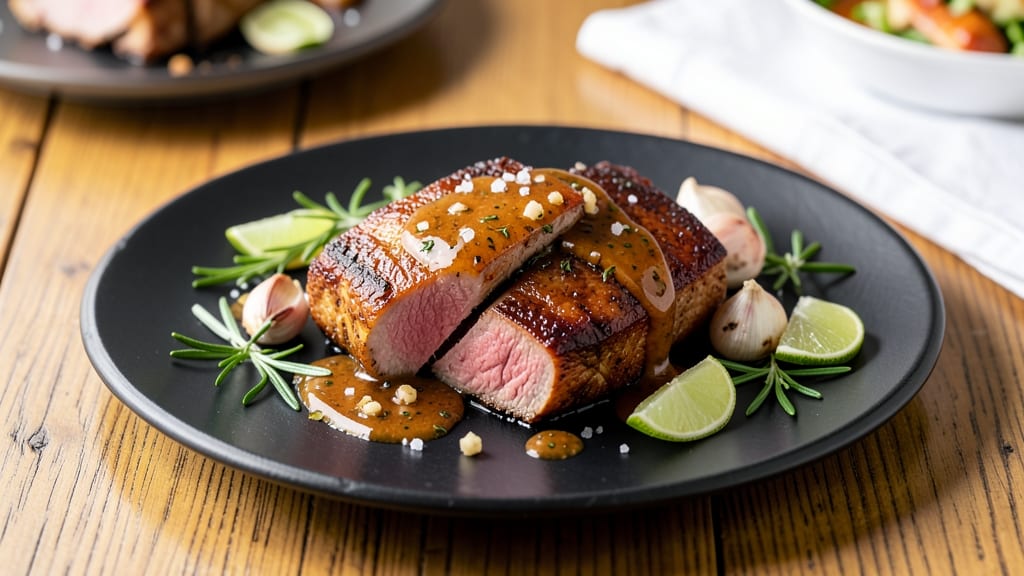
Chef Jean Pierre’s pork tenderloin recipe delivers restaurant-quality results with a crisp herb crust and melt-in-your-mouth tenderness. 🔥 As someone who’s cooked 2,000 pounds of pork weekly, I know the secret lies in proper searing and low-and-slow roasting—techniques that transform tough cuts into showstopping centerpieces. This isn’t just dinner; it’s an experience that starts with a golden crust and ends with juicy perfection.
The magic begins with a flavorful herb crust that locks in moisture while creating texture. Chef Jean Pierre’s method ensures the pork stays tender through precise temperature control—no more dry, overcooked tenderloin. The pan-roasting technique builds depth of flavor, while a simple wine reduction ties everything together.
What you’ll get is a dish that looks as impressive as it tastes, with a crust that crackles and a center that’s impossibly juicy.
This recipe pairs beautifully with roasted vegetables or creamy mashed potatoes, but the star is the pork itself. The herb crust adds aromatic complexity, while the slow roast ensures every bite is tender and flavorful.
It’s the kind of dish that makes guests ask for seconds—and leaves them wondering how you achieved such perfection at home.
Perfect for special occasions or weeknight dinners, this pork tenderloin is versatile enough for any table. The technique is straightforward, but the results are undeniably restaurant-worthy. Whether you’re hosting a dinner party or simply treating yourself, this recipe delivers the kind of meal that feels like a celebration.
Ingredients for chef jean pierre pork tenderloin
Restaurant-quality ingredients for a pork tenderloin that crackles with herb crust and melts with tenderness.
| Ingredient | Amount | Notes |
|---|---|---|
| Pork Tenderloin 🥩 | 1 ½ lb | Center-cut, even thickness preferred |
| Fresh Rosemary 🌿 | ¼ cup | Finely chopped, organic preferred |
| Fresh Thyme 🌿 | ⅛ cup | Leaves only, stems removed |
| Fresh Parsley 🌿 | ⅛ cup | Flat-leaf, finely chopped |
| Garlic Cloves 🧄 | 6 cloves | Minced, fresh preferred |
| Diamond Crystal Kosher Salt 🧂 | 1 ½ tsp | For crust and seasoning |
| Freshly Ground Black Pepper 🌶️ | 1 tsp | Coarsely ground for texture |
| Extra-Virgin Olive Oil 🫒 | ¼ cup | High-quality, fruity variety |
| Unsalted Butter 🧈 | ½ cup | Cold, cubed for searing |
| Dry Red Wine 🍷 | ½ cup | Cabernet Sauvignon preferred |
| Beef Stock 🥘 | ½ cup | Reduced for depth of flavor |
| All-Purpose Flour 🌾 | 1 tbsp | For dusting and thickening |
| Fresh Lemon Juice 🍋 | 1 tbsp | Brightens the reduction |
The pork tenderloin demands precision—center-cut, 1.5 pounds ensures even cooking and maximum tenderness. Source from a trusted butcher or Whole Foods for the best quality; look for even thickness and vibrant color. Fresh herbs are non-negotiable here. Organic rosemary and thyme from Trader Joe's or your local farmers' market provide the aromatic depth that separates home cooking from restaurant-quality. The garlic should be freshly minced just before using—pre-minced loses its punch within hours. For the wine, Cabernet Sauvignon adds complexity, but any bold, dry red works.
No fresh rosemary? Dried at one-third the amount suffices, but texture will differ. Substitute parsley with cilantro for a brighter note, though the flavor profile shifts slightly. The beef stock can be swapped for vegetable stock if preferred, though it lacks the depth of umami. For a richer crust, add 1 tbsp Dijon mustard to the herb mix. The olive oil must be extra-virgin—cheaper varieties can taste bitter. If you're short on butter, use ghee for higher smoke point during searing.
Pork tenderloin keeps best in the fridge for 2 days if not used immediately. The herb crust mixture can be prepped 1 day ahead and stored in an airtight container. For make-ahead convenience, fully cook the pork and refrigerate; reheat in a 325°F oven for 15 minutes with a splash of water to maintain moisture. The wine reduction freezes beautifully for up to 3 months—portion into ice cube trays for easy use in future dishes.
Why You'll Love This Recipe
- One-Pan Magic: I swear by this recipe because it’s all about that minimalist vibe—just the tenderloin, a handful of herbs, and garlic, all roasted together on one sheet. No fancy gadgets, no last-minute grocery runs; I pull this off while scrolling through my phone.
- Herb-Packed Punch: That rosemary-thyme-parsley combo? It’s like a flavor hug for your pork—bright, earthy, and just crisp enough to make every bite feel special. The garlic? Oh, it caramelizes into golden perfection without overpowering.
- Weeknight to Dinner Party: Between us, this is my go-to for both lazy Tuesdays and fancier gatherings. Slice it thin for sandwiches, serve it whole with roasted potatoes, or even toss it in salads—it’s that adaptable. (Yes, even on a Tuesday night.)
- Leftovers That Don’t Suck: I make a double batch because reheating these slices is a thing of beauty—still juicy, still packed with flavor. Plus, pork tenderloin is budget-friendly, so I’m not breaking the bank while treating myself to something restaurant-worthy.
Step-by-step instructions for herb-crusted pork tenderloin
Master this technique and you'll achieve restaurant-quality results every time.
👨🍳 Step 1: Prepare the Herb Crust and Season the Meat
In a small bowl, combine the 0.25 cup fresh rosemary, 0.125 cup fresh thyme, 0.125 cup fresh parsley, 6 cloves minced garlic, 1.5 tsp kosher salt, and 1 tsp freshly ground black pepper. Pulse briefly in a food processor until the herbs are finely chopped but still retain some texture—this creates the perfect crust that clings beautifully to the pork.
Pat the 1.5 lb pork tenderloin completely dry with paper towels, then rub it generously with the herb mixture, pressing firmly so the crust adheres evenly. This drying step is crucial—it ensures a perfect sear and prevents steaming. Let the seasoned tenderloin sit at room temperature for 30 minutes while you prepare the rest of your ingredients.
🔥 Step 2: Sear the Pork for Maximum Flavor
Heat a heavy skillet (cast iron works best) over medium-high heat until very hot. Add 0.25 cup extra-virgin olive oil and 0.5 cup cold cubed unsalted butter, allowing the butter to melt and foam. Once the butter is foaming but not yet browned, carefully add the pork tenderloin.
Sear the tenderloin for 3-4 minutes per side, pressing down gently with a spatula during the first minute to ensure even contact with the pan. You'll know it's ready to flip when the crust is deep golden brown and the internal temperature reaches 145°F at the thickest part. Remove the pork and set it aside on a plate, tented loosely with foil to keep warm.
🍳 Step 3: Build the Pan Sauce
Immediately after removing the pork, reduce the heat to medium and add the 0.5 cup dry red wine to the skillet, scraping up all the browned bits from the bottom with a wooden spoon. This deglazing step captures all the concentrated flavor from the searing process. Let the wine simmer for 2-3 minutes until reduced by half.
Add the 0.5 cup beef stock and bring to a gentle simmer. Sprinkle in the 1 tbsp all-purpose flour and whisk vigorously to combine. The sauce will begin to thicken almost immediately—simmer for another 1-2 minutes until it coats the back of a spoon. Remove from heat and stir in the 1 tbsp fresh lemon juice, which brightens the flavors and balances the richness.
🥘 Step 4: Pan-Roast to Perfect Doneness
Return the pork tenderloin to the skillet and spoon the sauce generously over the top. Transfer the skillet to a preheated 375°F oven and roast for 10-12 minutes, or until the internal temperature reaches 145°F at the thickest part. The sauce will bubble and reduce slightly, creating a glossy finish.
Here's the thing—pork tenderloin is forgiving, but don't overcook it. The moment the internal temperature hits 145°F, remove it from the oven and let it rest for 10 minutes before slicing. This resting period allows the juices to redistribute, ensuring each slice is tender and moist rather than dry. The sauce will thicken further during this time, developing a beautiful consistency.
🍽️ Step 5: Slice and Serve with Sauce
Using a sharp carving knife, slice the pork tenderloin into ½-inch thick medallions, cutting against the grain for maximum tenderness. Arrange the slices on a warm serving platter and spoon the reduced pan sauce generously over the top. Garnish with additional fresh parsley if desired.
Serve immediately with your choice of sides—roasted vegetables, mashed potatoes, or a simple green salad. Each bite should deliver perfectly tender meat with a crispy herb crust and a rich, herby sauce that ties everything together. The lemon brightens the dish, preventing it from becoming too heavy.
Pro Tips For Making Chef Jean Pierre Pork Tenderloin
- DON’T SKIP THE DRY BRINE: The pork tenderloin in this recipe is lean—lean meat dries out fast. Pat it thoroughly with paper towels, then sprinkle with salt (about 1 tsp per pound) and let it sit uncovered on a rack for 30 minutes before cooking. I learned this the hard way: skipping it means a tougher cut, even with all those herbs.
- USE ROOM-TEMP GARLIC: Cold garlic cloves straight from the fridge won’t infuse properly. Take them out of the fridge 10 minutes before mincing—just enough to soften the edges. This ensures they sizzle and release flavor instead of steaming like sad little ice cubes. (Yes, I’ve done the sad ice cube thing.)
- SEAR IN BATCHES IF NEEDED: That pork tenderloin might look small, but if your pan’s too crowded, you’ll end up with sad, steamed meat instead of a golden crust. Cook it in one layer—no overlapping—and if your pan’s too small, work in two batches. I was skeptical until I tried it: the difference in texture is night and day.
- REST UNDER FOIL: After roasting, resist the urge to cut into it immediately. Tent the pork with foil and let it sit for 5–10 minutes. This keeps the juices locked in—trust me, your knife will thank you. I used to slice right away, and the first bite was always dry. Now? Perfect every time.
Pro cooking tips for perfect results
Sear Like a Pro
This isn’t just any sear—it’s the foundation of your dish. I use a cast iron skillet (my Lodge 10.25-inch never fails) heated until it’s smoking hot before adding the oil and butter. The key is patience: let the butter foam but not brown before adding the pork.
If you rush, you’ll get uneven cooking. I press down gently with a silicon spatula during the first minute to ensure maximum contact—this creates that golden-brown crust we’re after. 🔥
Temperature Control
Pork tenderloin is forgiving, but precision matters. Use a meat thermometer (I swear by ThermoWorks Smoke) to monitor the internal temp. The sear should bring it to 145°F before moving to the oven.
If your thermometer doesn’t have a probe, cut into the thickest part—it should be slightly pink in the center. Overcooking turns tenderloin dry, and we’re aiming for juicy perfection.
Resting Matters
This is where home cooks mess up. The moment that pork hits 145°F, it’s done—but don’t slice yet! Tent it loosely with foil and let it rest for 10 full minutes. The juices need time to redistribute, or you’ll end up with dry slices.
I often rest mine on a wire rack over a baking sheet to prevent sogginess. Trust me, this step makes all the difference. ⏰
Pan Sauce Secrets
The sauce is where flavor magic happens. After searing, deglaze with Cabernet Sauvignon—the acidity cuts through the richness. Let it reduce by half before adding stock and flour. Whisk constantly to avoid lumps, and don’t rush the thickening.
A glossy, velvety sauce coats the back of a spoon when ready. The lemon juice at the end brightens everything—it’s non-negotiable for balance. 🍷
Herb Crust Tips
Fresh herbs are non-negotiable here. Pulse them in a food processor just until chopped—this ensures even distribution without turning to paste. Press the mixture firmly into the pork so it adheres. Pro tip: If your herbs are damp, pat them dry first.
I also add a pinch of Dijon mustard to the crust for extra depth. The crust should crackle when sliced—if it’s falling off, your pork wasn’t dry enough before searing. 🌿
Equipment Must-Haves
You don’t need fancy tools, but these make life easier: a cast iron skillet (non-stick won’t give the same crust), a sharp carving knife (I use Victorinox 8-inch), and a meat thermometer. No thermometer? Cut into the thickest part—it should be slightly springy when pressed.
For the herb crust, a mini food processor saves time, but a mortar and pestle works too. Keep it simple, but don’t skimp on quality. 💡
Nutrition facts
Frequently asked questions
Can I substitute fresh herbs with dried ones?
Yes, but adjust the amounts carefully. Use one-third the quantity of dried herbs (e.g., ⅓ tsp dried rosemary instead of 0.25 cup fresh). Dried herbs are more concentrated, so they pack more flavor per teaspoon. For best results, crush dried herbs between your palms to release their oils before mixing into the crust.
What if my pork tenderloin is uneven in thickness?
Uneven thickness can lead to some parts overcooking while others stay underdone. Trim any irregular edges with a sharp knife to create an even surface. For thicker sections, sear them first until they reach 145°F, then proceed with the recipe. The oven finish will help even out the temperature. A ½-inch thick cut is ideal for consistent results.
How do I make this recipe ahead of time?
The herb crust can be prepped 1 day ahead and stored in an airtight container. For the pork, cook it fully, then refrigerate. Reheat in a 325°F oven for 15 minutes with a splash of water or broth to maintain moisture. The wine reduction can be made 2 days ahead and frozen in ice cube trays for easy reheating. Just thaw and warm gently before serving.
What wine works best if I don’t have Cabernet Sauvignon?
Any bold, dry red wine with good acidity will work. Try Merlot, Pinot Noir, or even a robust Zinfandel. Avoid sweet wines like Port or dessert wines—they’ll overpower the dish. If you’re wine-free, substitute with 2 tbsp red wine vinegar + 3 tbsp beef stock for acidity and depth.
Why does my herb crust keep falling off?
This usually happens if the pork wasn’t properly dried before seasoning or if the crust wasn’t pressed firmly onto the meat. Pat the tenderloin very dry with paper towels before applying the herb mix, and press it in with your fingers or a spoon. For extra adhesion, lightly brush the pork with egg wash before adding the crust.