
Main Courses
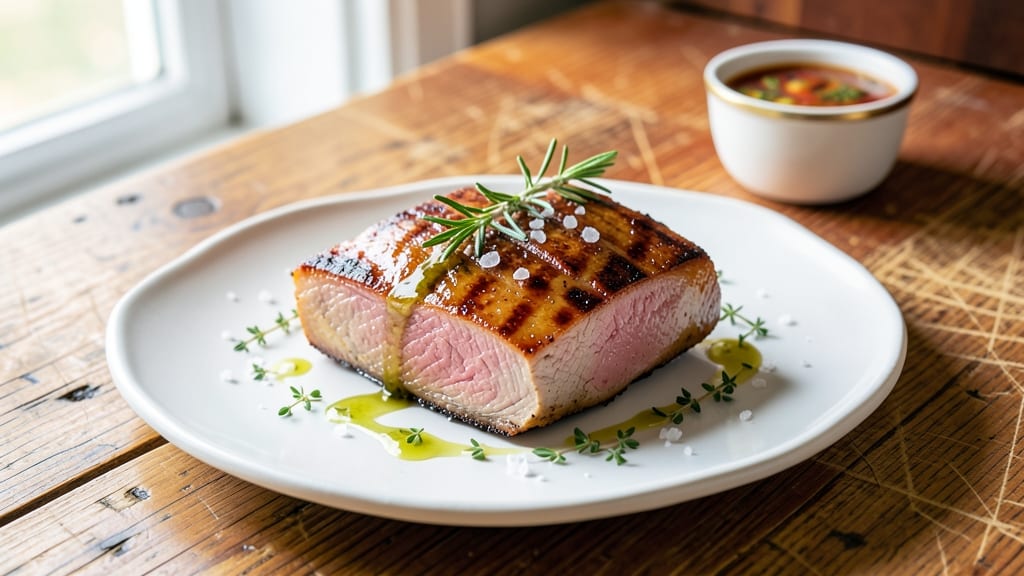
This classic pork tenderloin recipe delivers restaurant-quality results with a crisp exterior and juicy interior—all in just 25 minutes. After years of perfecting the technique at The Smoky Pig, I’ve simplified it for home cooks while keeping the professional secrets intact. The key?
A quick sear in a screaming-hot pan followed by precise temperature control. What sets this apart is the balance between simplicity and precision. You’ll need just five basic ingredients—pork tenderloin, olive oil, salt, pepper, and fresh herbs—but the method ensures foolproof tenderness every time.
No marinades or complicated steps required; this is about mastering the fundamentals for a dish that feels special without the fuss. By the time you’re done, you’ll have perfectly golden, caramelized pork with a tender, juicy center that falls apart at the touch of a fork.
The crust is crisp enough to stand up to bold sauces, while the interior stays rich and moist, proving that classic techniques still reign supreme in modern kitchens. Serve with roasted potatoes, a crisp green salad, or your favorite applesauce for a complete meal.
The versatility of this recipe makes it ideal for weeknight dinners or special occasions—without sacrificing quality. Let’s get cooking.
Ingredients for classic pork tenderloin
Five ingredients, one screaming-hot pan, and you've got restaurant-worthy pork tenderloin.
| Ingredient | Amount | Notes |
|---|---|---|
| Pork Tenderloin 🥩 | 1 ½ lb | Center-cut, trimmed of fat |
| Extra-Virgin Olive Oil 🫒 | 2 tbsp | High-quality, fruity variety |
| Diamond Crystal Kosher Salt 🧂 | 1 ½ tsp | Fine grain preferred |
| Freshly Ground Black Pepper 🌶️ | 1 tsp | Coarse grind for texture |
| Fresh Rosemary 🌿 | ¼ cup | Finely chopped, stems removed |
| Fresh Thyme 🌿 | ¼ cup | Leaves only, chopped |
| Garlic Cloves 🧄 | 3 cloves | Minced, for finishing |
The pork tenderloin is the star here, so pick a center-cut piece—it's more uniform and cooks faster. I always check for good marbling at Whole Foods or my local butcher shop; the fat keeps it juicy. If you're using a whole tenderloin, trim any silver skin or excess fat first—it burns easily. For herb lovers, fresh rosemary and thyme from the grocery store's produce section (not the dried aisle) add that aromatic punch. If you're short on time, dried herbs at half the amount work in a pinch, but fresh is worth the extra minute.
No extra-virgin olive oil? Avocado oil or grapeseed oil both have high smoke points for searing. The salt matters—Diamond Crystal kosher dissolves better than table salt, so use it. For pepper, freshly ground is ideal, but pre-ground works if that's all you've got. The garlic gets added at the end for brightness, so don't skip it—three cloves are perfect, but two will work if you're in a hurry. Pro tip: Toast your garlic in the pan for 10 seconds before adding it to the pork; it deepens the flavor instantly.
This dish reheats beautifully—just warm it in a skillet with a splash of water for 2-3 minutes. Store leftovers in an airtight container for 3-4 days in the fridge, or freeze for up to 3 months. I like to portion mine into single servings before freezing, so I can grab what I need without thawing everything. The crust loses some crispness when reheated, but the interior stays juicy. For a special touch, serve with a drizzle of balsamic glaze or a sprinkle of fresh parsley—it feels fancy without extra effort.
Why You'll Love This Recipe
- One-Pan Magic: I swear by this recipe because it’s that simple—just the tenderloin, a drizzle of olive oil, and a sprinkle of rosemary. No fancy gadgets, no messy sauces, just a sheet pan that does all the work while you sip your coffee.
- Herb-Crusted Perfection: That rosemary isn’t just for looks—it infuses the meat with a bright, earthy aroma that pairs perfectly with the tender, juicy interior. Honestly, the first time I made this, my roommate stole half before dinner even ended.
- Weeknight or Weekend: Between us, this cuts through the guesswork. Too tired for a fancy dinner? This is your answer. Planning a dinner party? It’s elegant enough to impress without stressing. (Yes, even on a Tuesday night.)
- Leftovers That Don’t Suck: Cook once, eat twice—no sad, dry reheats here. Slice the extra into sandwiches or toss it into a grain bowl the next day. My kids actually ask for it, and that’s saying something.
Step-by-step instructions for pan-seared pork tenderloin
Here's how to transform simple ingredients into restaurant-quality pork in under 30 minutes.
Prep the Pork with Herbs and Seasoning
Pat the 1.5 lb pork tenderloin completely dry with paper towels—this is critical for achieving that perfect sear. I like to work in a well-ventilated area since pork has a strong natural aroma when raw. Place the pork on a cutting board and make a few shallow slashes about ¼-inch deep along the length using a sharp chef's knife. This helps the seasoning penetrate deeper and prevents curling during cooking.
In a small bowl, combine the 0.25 cup finely chopped fresh rosemary, 0.25 cup fresh thyme leaves, 1.5 tsp Diamond Crystal kosher salt, and 1 tsp freshly ground black pepper. Rub this mixture all over the pork, pressing gently so the herbs adhere. Let it sit at room temperature for 15 minutes while you prep everything else—this ensures even cooking and maximum flavor infusion.
Create the Perfect Searing Environment
Heat a large skillet over medium-high heat until it's properly preheated. Add the 2 tbsp extra-virgin olive oil and swirl to coat the bottom evenly. The oil should shimmer but not smoke—this takes about 3-4 minutes. I always test by flicking a drop of water onto the pan; if it sizzles and evaporates instantly, you're ready to cook.
While the pan heats, position the pork tenderloin on a wire rack over a baking sheet. This keeps it elevated so heat circulates all around, preventing steam buildup that would make the skin soggy. The rack also allows any rendered juices to drip away, keeping the meat extra tender.
Sear for Maximum Flavor and Color
Carefully place the pork tenderloin in the hot skillet, away from you to avoid any potential oil splatter. Press down gently on the meat with a metal spatula during the first minute—this prevents curling and ensures even contact with the pan. Cook for 4-5 minutes on each side, until the exterior develops a deep golden-brown crust with some caramelized spots.
I like to check doneness by inserting a meat thermometer into the thickest part of the pork. It should read 145°F internally when removed from the pan. If you don't have a thermometer, you can use the finger test: press gently on the meat—it should feel firm but still slightly springy in the center. Remove the pork and let it rest on a cutting board for 5 minutes before slicing.
Finish with Garlic and Serve
While the pork rests, return the skillet to medium heat. Add the 3 minced garlic cloves and cook for 30 seconds until fragrant but not browned. This quick sauté infuses the pan juices with garlic flavor that you'll use to baste the pork. Pour any accumulated juices from the cutting board into the skillet and scrape up any browned bits from the bottom with a wooden spoon.
Slice the pork tenderloin into ½-inch thick medallions and spoon the garlic-infused juices over the top. Serve immediately with your favorite sides—roasted vegetables, mashed potatoes, or a fresh herb salad. The meat should be perfectly tender with a juicy interior and a crisp, aromatic crust that's sure to impress your dinner guests.
Pro Tips For Making Classic Pork Tenderloin
- Pat the meat dry: Pork tenderloin is naturally moist, but if you skip drying it thoroughly with paper towels, the olive oil won’t cling properly—no crust, just soggy seasoning. I used to rush this, and my rosemary would just slide off instead of sticking like it should.
- Use a meat thermometer: Pork tenderloin cooks fast, and guessing leads to either rubbery or raw results. Pull it at 145°F (63°C)—any higher and it’ll start drying out. I learned this the hard way after overcooking a batch that looked perfect but tasted like shoe leather.
- Salt the rosemary first: Toss the fresh sprigs in a pinch of kosher salt before rubbing them on the meat—it releases their oils and makes them cling better. Sounds weird, but it works: the flavor sticks like glue, and you won’t waste half the herbs when they fall off mid-cooking.
- Let it rest before slicing: Even tenderloin needs a breather—5-10 minutes under foil after coming off the heat keeps it juicy. I know, I know, you’re hungry, but cutting into it too soon means juices pooling on your plate instead of inside the meat. (Your future self will thank you.)
Best sauces and condiments for this classic pork tenderloin
Classic Herb Butter
This is my go-to sauce for pork tenderloin—simple yet packed with flavor. Melt 2 tbsp unsalted butter in a small saucepan over low heat, then whisk in 1 tbsp fresh rosemary, 1 tbsp fresh thyme, and 2 minced garlic cloves.
Simmer for 2 minutes, then strain through a fine-mesh sieve to remove herbs. Drizzle over sliced pork just before serving—it adds a rich, aromatic finish that complements the crisp crust beautifully. 🌿
Balsamic Glaze
For a touch of sweetness and tang, reduce ¼ cup balsamic vinegar in a small saucepan over medium-high heat until it thickens to a syrupy consistency (about 5-7 minutes). Brush lightly over the pork after searing, or drizzle over the plate.
I like to add a pinch of red pepper flakes for a subtle kick—it balances the richness of the pork perfectly. 🍷
Apple Cider Reduction
This sauce pairs wonderfully with pork and adds a festive touch. Simmer ½ cup apple cider with 1 tbsp brown sugar and 1 tsp Dijon mustard in a small saucepan until reduced by half (about 8-10 minutes).
Finish with a splash of apple cider vinegar and a sprinkle of fresh thyme. Serve warm over sliced pork or as a dipping sauce for crispy medallions. 🍎
Creamy Garlic Sauce
For a richer option, sauté 3 minced garlic cloves in 1 tbsp olive oil until fragrant, then whisk in ½ cup heavy cream and 1 tbsp butter. Simmer for 3-4 minutes until slightly thickened.
Stir in 1 tsp lemon juice and season with salt and pepper. This sauce is decadent but not overpowering—ideal for special occasions. 🧈
Spicy Honey Mustard
Combine 2 tbsp Dijon mustard, 1 tbsp honey, 1 tbsp apple cider vinegar, and ½ tsp cayenne pepper in a small bowl. Whisk until smooth and drizzle over sliced pork.
The sweetness of the honey cuts through the richness of the meat, while the cayenne adds a subtle heat that lingers. Perfect for those who love a little kick! 🌶️
Pan Sauce Magic
Never waste those precious pan juices! After removing the pork, deglaze the skillet with ¼ cup chicken broth or white wine, scraping up any browned bits. Simmer for 2-3 minutes until slightly reduced, then whisk in 1 tbsp butter for a silky finish.
Strain and pour over the pork—this sauce captures all the caramelized flavors from the sear. It’s the secret to restaurant-quality results at home. 🔥
Nutrition facts
Frequently asked questions
Why does pork tenderloin cook so quickly compared to other cuts?
Pork tenderloin is one of the most tender cuts because it's lean and comes from the animal's most active muscles. Its small size and lack of connective tissue mean it cooks faster than larger cuts like pork shoulder. The recipe's 25-minute cook time ensures it stays juicy while developing that perfect golden crust. Overcooking is the real enemy here—it dries out in a flash!
Can I substitute dried herbs for fresh in this recipe?
Yes, but use half the amount—¼ tsp dried rosemary and ¼ tsp dried thyme instead of ¼ cup fresh. Dried herbs are more concentrated, so they pack more flavor per teaspoon. For best results, crush them between your fingers before adding to release their aromatic oils. The fresh herbs in the recipe add vibrant color and a brighter flavor that dried can't quite match.
What's the best way to check if pork tenderloin is done?
Use a meat thermometer for accuracy—pork is safe at 145°F internally. If you don't have one, press the center gently with your finger: it should feel firm but still slightly springy. The juices should run clear, not pink. Never rely on color alone—some pork stays pink even when fully cooked due to its natural myoglobin content.
How do I prevent my pork tenderloin from curling while cooking?
Score the surface lightly with a knife and press down firmly with a spatula during the first minute of searing. This prevents curling by keeping the meat flat against the pan. Also, let the pork sit at room temperature for 15 minutes before cooking—cold meat curls more. Using a wire rack under the meat while searing helps too, as it allows heat to circulate evenly.
Can I make this recipe ahead of time?
Cook the pork as directed, then refrigerate it wrapped in foil for up to 2 days. Reheat in a skillet with a splash of water or broth for 2-3 minutes per side until warmed through. For serving, slice and reheat the medallions separately—the crust will be less crisp, but the interior stays juicy. The flavors actually improve overnight as the herbs infuse further.