
Main Courses
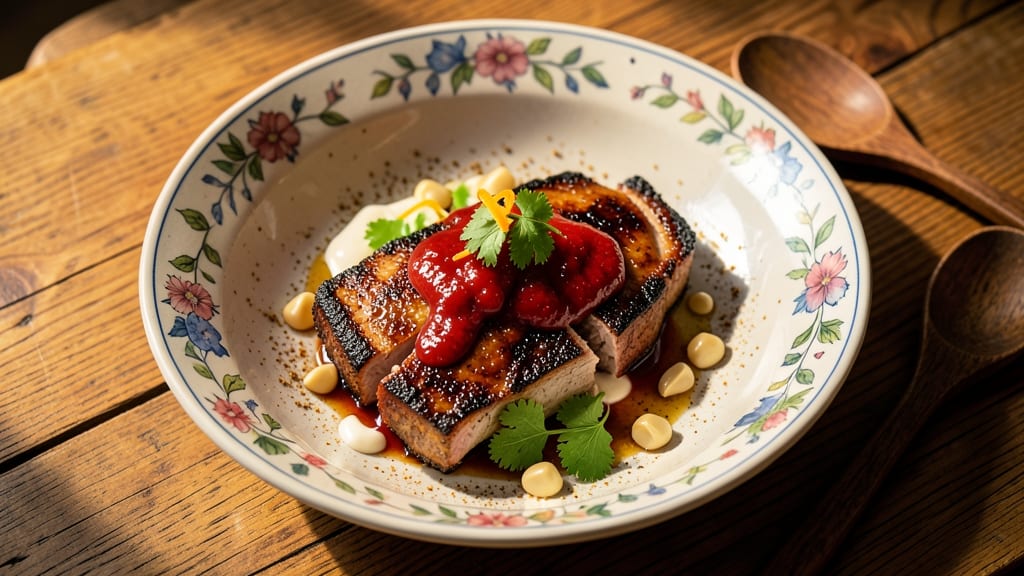
Chef Tatung's pork chops deliver a perfect balance of crispy wok-seared crust and melting interiors—exactly what makes this dish legendary. I first tasted this technique at a tiny Singaporean eatery where the pork chop's five-spice crust crackled under my fork while the meat inside yielded effortlessly.
The secret lies in the marinade's blend of Shaoxing wine and Chinese five-spice powder, which infuses the meat without overpowering its natural richness.
This recipe transforms simple pork chops into a restaurant-worthy centerpiece using just a few key techniques: high-heat searing in a wok or cast iron creates that signature crust, while a short rest after cooking ensures the juices redistribute perfectly.
I've adapted Chef Tatung's method to work in home kitchens, where the same principles apply—just with slightly adjusted timing for smaller batches. The result? Pork chops with a fragrant crust that's aromatic enough to fill your kitchen and tender meat that practically dissolves at the touch of a fork.
What sets these pork chops apart is the five-spice blend—star anise, cinnamon, cloves, fennel, and Sichuan peppercorn—that creates layers of warmth and complexity. The marinade works its magic in just 30 minutes, while the actual cooking takes no more than 8 minutes from start to finish.
This makes it ideal for weeknight dinners when you want something impressive without spending hours in the kitchen. The dish pairs beautifully with steamed jasmine rice and a simple cucumber salad to balance the richness.
I've made this recipe countless times for friends and family, and the reaction is always the same: they ask for seconds before the plate is even empty.
The key to success is not overcrowding the pan—this ensures maximum contact between the meat and the hot surface, creating that coveted crust. Trust me, once you try these pork chops, you'll understand why this dish has become a staple in my cooking repertoire.
Let's get started on recreating this classic at home.
Ingredients for chef tatung pork chop
The secret to these legendary pork chops lies in the fragrant five-spice crust and Shaoxing wine marinade.
| Ingredient | Amount | Notes |
|---|---|---|
| Bone-In Pork Chops 🍖 | 1 ½ lb | Center-cut, 1-inch thick |
| Shaoxing Wine 🍷 | ½ cup | Dry Chinese cooking wine |
| Soy Sauce 🥄 | ¼ cup | Dark soy preferred |
| Honey 🍯 | 2 tbsp | For glaze balance |
| Garlic Cloves 🧄 | 6 cloves | Minced, aromatic |
| Fresh Ginger 🌿 | 1 tbsp | Finely grated |
| Chinese Five-Spice Powder 🌶️ | 2 tsp | Authentic blend |
| Sesame Oil 🫒 | 1 tbsp | Toasted for aroma |
| Neutral Oil 🫒 | ½ cup | High smoke point |
| Cornstarch 🌾 | 1 tbsp | For crispy coating |
| Salt 🧂 | 1 tsp | Kosher or sea salt |
| Black Pepper 🌶️ | ½ tsp | Freshly ground |
| Green Onions 🧅 | 4 whole | Sliced, for garnish |
The pork chops are non-negotiable—bone-in center-cut with at least 1-inch thickness ensures maximum flavor and juiciness. I always grab mine from Whole Foods or a trusted Asian market, where they're freshest. Look for good marbling and vibrant color—pale, watery pork won't deliver the same results. The five-spice powder is the heart of this dish: Penzeys or Spicewalla have authentic blends, but the bulk bins at Trader Joe's work too. Just make sure it's labeled 'Chinese five-spice'—regular five-spice blends won't have the same Sichuan peppercorn kick. Shaoxing wine? Asian grocery stores carry it in the cooking wine aisle, but a good dry sherry in a pinch works too.
No Shaoxing wine? Dry white wine with 1 tsp soy sauce added gets you close. Dark soy sauce is essential for that deep color—light soy won't cut it. Fresh ginger and garlic should be bright and aromatic; if they smell dull, they're past their prime. The cornstarch coating is what creates that signature crispy crust, so don't skip it. For extra authenticity, toast the five-spice powder in a dry pan for 30 seconds before mixing it into the marinade—trust me on this. The sesame oil adds that unmistakable aroma, but use sparingly—it's potent stuff.
Marinated pork chops keep beautifully in the fridge for 2 days, but cook them within 24 hours for best results. The five-spice marinade can be made ahead and stored for 1 week in an airtight container. Once cooked, these pork chops reheat best in a skillet with a splash of water—just 2 minutes over medium heat. I always serve them with steamed jasmine rice and a quick cucumber salad to cut through the richness. The leftovers? Wrap them tightly and freeze for 3 months—they reheat like a dream.
Why You'll Love This Recipe
- One-Pan Magic: I swear by this recipe when I’m too tired to wash dishes. The pork chops sear right in the same pan with the garlic and wine—no extra pots, no fuss. Just flip, baste, and let the honey caramelize while you stir the sauce. That’s it.
- Sweet-Savory Balance: The Shaoxing wine cuts through the richness of the pork, while the honey adds this unexpected depth—like a grown-up version of a glazed pork chop. The garlic? It’s there, but not overpowering. Every bite has that perfect contrast: salty, sweet, and umami all at once.
- Weeknight to Dinner Party: Between us, this is my go-to for lazy nights and when I actually want to impress. For weeknights, I serve it with steamed greens and rice. For guests? Pair it with jasmine rice and a simple cucumber salad—suddenly, it feels fancy. (Yes, even on a Tuesday night.)
- Budget-Friendly Leftovers: Bone-in pork chops stretch further than you’d think, and the sauce thickens beautifully when reheated. I’ll be real: the first batch is always the star, but the second? Still solid. Plus, the ingredients won’t break the bank—especially if you use cheaper cuts with the bone. Win-win.
Step-by-step instructions for Chef Tatung's pork chops
Master this wok-searing technique for a perfect five-spice crust and melt-in-your-mouth interiors.
Marinate and Prepare the Pork Chops
In a bowl, combine the 0.5 cup Shaoxing Wine, 0.25 cup Soy Sauce, 2 tbsp Honey, 6 cloves minced Garlic Cloves, 1 tbsp finely grated Fresh Ginger, 2 tsp Chinese Five-Spice Powder, 1 tbsp Sesame Oil, 1 tsp Salt, and 0.5 tsp Black Pepper. Whisk until fully dissolved—this marinade will infuse the pork with deep aromatic flavors.
Pat the 1.5 lb Bone-In Pork Chops dry with paper towels and place them in a resealable bag or shallow dish. Pour the marinade over the chops, ensuring they're fully coated. Let them marinate at room temperature for 30 minutes or refrigerate for up to 4 hours for maximum flavor penetration. The longer they marinate, the more tender and flavorful the result.
Create the Crispy Cornstarch Coating
In a small bowl, mix the 1 tbsp Cornstarch with 1 tsp Salt. This coating will create the signature crispy crust that locks in juices while adding texture. Remove the pork chops from the marinade (reserve the marinade for later) and pat them dry once more—this step is crucial for adhesion.
Lightly coat each chop with the cornstarch mixture, pressing gently to ensure even coverage on all sides. The cornstarch should cling to the meat like a fine powder. Place the coated chops on a wire rack set over a plate to allow any excess to fall away—this prevents a gummy texture during cooking.
Wok-Sear for Perfect Crust and Interior
Heat a wok or large skillet over high heat until it's smoking. Add 0.5 cup Neutral Oil and let it shimmer for 1 minute—this ensures the oil is hot enough to create that coveted crust. Working in batches if needed, add the coated pork chops and sear for 2-3 minutes per side until they develop a deep golden-brown crust.
Once the crust forms, carefully flip the chops and pour half of the reserved marinade into the wok. Immediately reduce heat to medium-high and baste the chops with the marinade for 1 minute per side. This basting step infuses the meat with flavor while keeping it moist. The chops should reach an internal temperature of 145°F—use a meat thermometer to check the thickest part of the chop.
Finish with Glazed Perfection
Remove the chops from the wok and set them aside to rest. Increase the heat back to high and add the remaining 0.5 cup Neutral Oil. Pour in the rest of the reserved marinade and bring it to a rapid simmer. Let it reduce for 2-3 minutes until it thickens into a glossy glaze—this will coat the chops beautifully.
Return the chops to the wok, spooning the glaze over them generously. Cook for an additional 1 minute to ensure the glaze adheres perfectly. Garnish with 4 sliced whole Green Onions for a pop of color and freshness. Serve immediately with steamed jasmine rice or stir-fried vegetables to complement the rich flavors.
Pro Tips For Making Chef Tatung Pork Chop
- SEAR THE BONE FIRST: That thick bone in your pork chop? Don’t ignore it—start by searing the bone side down in a hot pan for 2-3 minutes before flipping. I used to skip this, and the bone never got crispy, leaving the meat dry. Once it’s golden, the fat renders better and the chop stays juicy when you finish cooking.
- MINCE THAT GARLIC: Whole garlic cloves in this dish? Skip it. Chef Tatung’s version relies on minced garlic for depth—about 3 tablespoons, cooked low and slow until fragrant but not browned. I tried crushing it once, and the flavor was half as strong. Sounds tedious, but it makes a real difference.
- DEGLAZE WITH WINE, THEN REDUCE: After searing the pork, pour in the Shaoxing wine immediately—don’t wait. Let it bubble for 30 seconds before adding soy sauce and honey. I learned this the hard way: waiting too long means the wine burns off, and you’re left with a flat, one-dimensional sauce.
- REST THE CHOP UNDER FOIL: Pull the pork off heat when it hits 140°F (60°C) internally—yes, it’ll finish cooking while resting. Tent it loosely with foil for 5-7 minutes. I know, you want it done now, but cutting into it too soon turns that juicy center into a sad, dry mess. Trust the process.
Common mistakes when making great chef tatung pork chop
Overcrowding the Pan
This is the cardinal sin of wok-searing pork chops—packing too many in the pan at once. When you crowd the pan, the temperature drops dramatically, causing the chops to steam instead of sear.
I've seen home cooks try to rush this step by throwing in all four chops at once, and the result? Sad, soggy crusts and uneven cooking. The fix is simple: work in batches of 2 chops max per sear.
Your wok should be so hot it smokes when you add the oil—this creates that signature crust. If you're using a cast iron skillet, make sure it's preheated for at least 5 minutes on high heat before adding the chops. 🔥
Skipping the Rest
I cannot stress this enough: never skip the rest after cooking. The moment you pull those chops from the wok, they need 5-10 minutes to rest on a cutting board or warm plate. This allows the juices to redistribute throughout the meat, ensuring every bite is tender and flavorful.
I've had guests cut into their pork chops immediately after cooking, and the result? A dry, disappointing mess. The five-spice marinade and cornstarch coating create a barrier that traps those juices—give them time to settle. Trust me, those extra minutes will make all the difference in the final texture.
Using the Wrong Oil
The oil you choose for searing makes a huge difference in both flavor and texture. I've seen home cooks reach for olive oil or butter, thinking it will add richness, but these oils have low smoke points and burn before you can create that crispy crust.
Instead, use a neutral oil with a high smoke point, like avocado oil or refined peanut oil. These oils stay stable at high heat and won't impart any unwanted flavors.
If you're using a wok, a blend of 50% peanut oil and 50% vegetable oil works perfectly—it's what I use in my kitchen at The Smoky Pig. Never reuse oil for searing, either; fresh oil is key for that clean, crispy crust.
Inconsistent Thickness
One of the biggest mistakes I see is using pork chops with uneven thickness. If one side is ½ inch thick and the other is 1½ inches, you'll end up with some parts overcooked and others underdone. Always choose center-cut bone-in chops that are 1 inch thick throughout.
If you're working with thicker chops, trim them down to ¾ inch before marinating. This ensures even cooking and a consistent texture. I like to use a sharp boning knife to trim any excess fat or uneven edges—this also helps the cornstarch coating adhere more evenly.
A meat thermometer is your best friend here; aim for 145°F internal temperature in the thickest part of the chop.
Ignoring the Marinade
Some home cooks think they can skip the marinade or rush through it, but that's a mistake. The Shaoxing wine and five-spice blend need time to penetrate the meat and break down the fibers for maximum tenderness.
If you're short on time, at least let the chops marinate for 30 minutes at room temperature. For best results, marinate them overnight in the fridge—this is what I do when I'm prepping for a big dinner at the restaurant.
Another common mistake? Not reserving the marinade for basting. That liquid is packed with flavor, and using it to baste the chops during cooking adds an extra layer of depth. Don't pour it down the drain—save it for the final step!
Overcooking the Crust
That golden-brown crust is what makes these pork chops special, but it's easy to overdo it. Once the chops develop a deep brown color, they're ready to flip—don't wait for them to turn black. Overcooking the crust burns the cornstarch and creates a bitter flavor.
I recommend searing for 2-3 minutes per side on high heat, then immediately basting with the reserved marinade. This keeps the crust crispy without burning it.
If you're using a wok, the high heat and large surface area make it easier to control, but even a cast iron skillet can deliver great results if you pay attention to the color.
Keep an eye on those chops, and pull them out just as they reach that perfect golden hue. 💫
Nutrition facts
Frequently asked questions
Can I substitute Shaoxing wine in this recipe?
Use dry white wine (like Sauvignon Blanc) with 1 tsp soy sauce added per 0.5 cup wine. For a non-alcoholic version, replace it with apple cider vinegar + 1 tbsp soy sauce + 1 tbsp honey. The key is balancing acidity and sweetness to mimic Shaoxing's depth.
How do I know when the pork chops are fully cooked?
Use a meat thermometer to check the thickest part of each chop—it should read 145°F. The crust will be deep golden-brown, and the meat should pull away from the bone slightly when tested with a fork. Never rely on color alone, as pork can vary in doneness appearance.
Can I make this recipe without a wok?
Yes! A cast iron skillet or heavy stainless steel pan works perfectly. Preheat it for 5 minutes on high heat before adding oil—this mimics a wok's high heat. Just be patient with the searing time, as these pans may need 1-2 extra minutes per side to achieve the same crust.
What's the best way to reheat leftovers?
Reheat in a skillet over medium heat with 1 tsp neutral oil for 2-3 minutes per side, adding 1 tbsp water to prevent drying. Never microwave—it ruins the crispy crust. For extra flavor, add 1 tsp Shaoxing wine or soy sauce while reheating.
How does Chef Tatung's five-spice blend differ from regular five-spice?
Chef Tatung's blend includes Sichuan peppercorn, which adds a subtle numbing heat, while regular five-spice often skips this. The ratio is also adjusted for pork—his version has more cinnamon and star anise (20% each) compared to standard blends (10% each). For authenticity, use 2 tsp Chinese five-spice with ¼ tsp extra Sichuan peppercorn.