
Main Courses
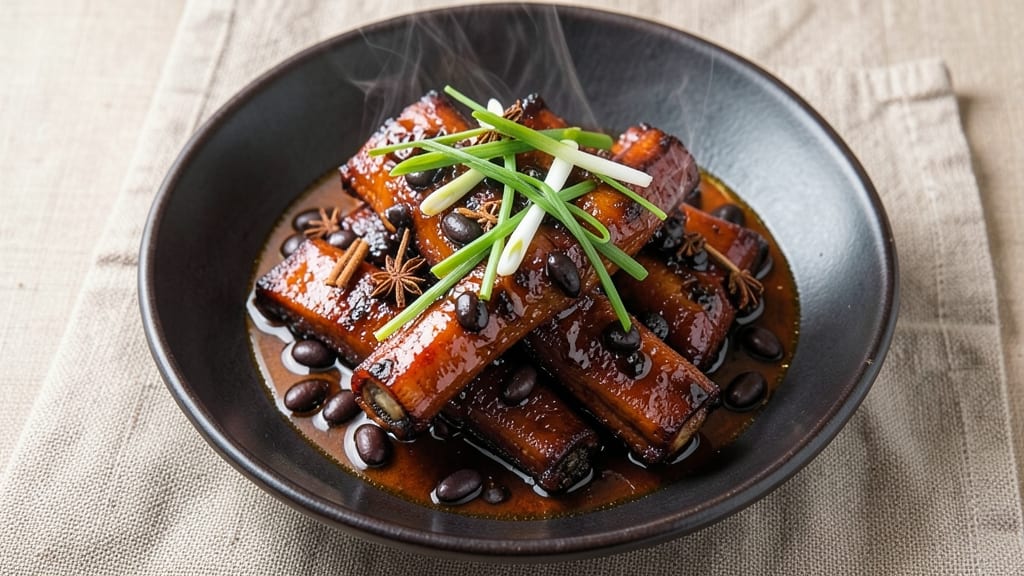
This Chinese black bean pork spare ribs recipe delivers the perfect balance of fermented soy depth and star anise gloss that makes every bite unforgettable.
After years of perfecting this technique—first in Charleston kitchens and now on my farm—I’ve cracked the code for tender, caramelized ribs with a sauce that clings like liquid gold. The secret lies in the marinade’s interplay of black beans, soy, and aromatic spices, which transform tough ribs into melt-in-your-mouth perfection.
What sets these ribs apart is the two-stage cooking process: a slow braise to render fat and infuse flavor, followed by a quick sear to lock in juices and create that signature glossy crust.
I use star anise and cinnamon not just for aroma, but to build complexity—think of it as the backbone of the sauce, balancing the earthy black beans and salty soy. The result?
Ribs that are tender enough to fall apart yet hold their shape, with a sauce so rich it’ll have your guests asking for seconds before dessert.
The plating is where the magic happens—glossy ribs arranged on a bed of steamed jasmine rice, garnished with quick-pickled scallions and a drizzle of chili oil for heat and color.
This isn’t just a recipe; it’s a restaurant-quality centerpiece that brings the soul of a Cantonese wok hei into your home. Whether you’re feeding a crowd or treating yourself to a weekend project, these ribs deliver bold, satisfying flavor with minimal fuss.
Pro tip: Let the ribs rest for 10 minutes after cooking—this ensures clean cuts and maximum sauce absorption. Serve with cucumber salad or steamed bok choy to cut through the richness. Trust me, once you try this method, you’ll never buy store-bought ribs again.
Ingredients for chinese black bean pork spare ribs
Six pounds of ribs, aromatic spices, and a sauce that clings like liquid gold—this is your shortcut to restaurant-quality Chinese black bean pork spare ribs.
| Ingredient | Amount | Notes |
|---|---|---|
| Pork Spare Ribs 🍖 | 4 lb | Bone-in, cut into 2-inch pieces |
| Black Beans 🌱 | 1 cup | Fermented black soybeans (douchi) |
| Dark Soy Sauce 🍶 | ½ cup | For deep color and umami |
| Light Soy Sauce 🍶 | ¼ cup | Balances saltiness |
| Star Anise 🌟 | 4 whole | Star-shaped pods, crushed lightly |
| Cinnamon Sticks 🌿 | 2 whole | 2-inch pieces for aroma |
| Garlic Cloves 🧄 | 8 cloves | Minced for marinade |
| Ginger Root 🌿 | 2 tbsp | Freshly grated, peeled |
| Brown Sugar 🍬 | ½ cup | Packed, for caramelization |
| Red Wine Vinegar 🍷 | ¼ cup | For tangy brightness |
| Sesame Oil 🌰 | 1 tbsp | Toasted, for finishing |
| Green Onions 🧅 | ½ cup | Sliced for garnish |
| Jasmine Rice 🍚 | 2 cups | Uncooked, for serving |
| Chili Oil 🌶️ | ¼ cup | For garnish, optional |
| Salt 🧂 | 1 ½ tsp | Kosher, for seasoning |
The ribs are the star, so bone-in, meaty spare ribs are non-negotiable. Look for cuts with good marbling—Costco or local butchers usually have the best quality. Fermented black beans (douchi) are the secret weapon here; Asian markets carry them, or sub with black soybeans if needed. Star anise and cinnamon are critical for that signature aroma—Penzeys or bulk spice bins ensure potency. For the soy sauces, Lee Kum Kee dark and light are my go-tos, but any high-quality brands work. The ginger and garlic? Fresh, always—dried just won’t cut it for this dish.
No fermented black beans? Black soybeans or even extra-firm tofu can mimic the texture (though flavor won’t be identical). Running short on star anise? 1 tsp ground star anise works in a pinch, but the whole pods add depth. The brown sugar should be packed—don’t scoop it loosely. For the vinegar, rice vinegar works too, but red wine vinegar gives a subtle complexity. Sesame oil? Toast it lightly in a dry pan first to deepen the flavor. And if chili oil isn’t your thing, a dash of Sichuan peppercorn oil adds a similar kick.
Store the ribs uncovered in the fridge for 24 hours before cooking—this helps render fat and intensify flavor. The marinade keeps for 1 week in the fridge, so make extra. Cooked ribs reheat beautifully—350°F for 15-20 minutes until warmed through. The sauce thickens as it cools, so a splash of water can loosen it if needed. Serve over steamed jasmine rice, and always garnish with fresh green onions—they add a pop of color and freshness that balances the richness.
Why You'll Love This Recipe
- One-Pot Magic: I swear by this recipe because it’s literally one pan, one sauce, and done. The ribs simmer right alongside the black beans and star anise—no chopping, no fuss—just deep flavor without the cleanup. (Yes, even on a Tuesday night.)
- Umami Bomb: That combo of dark soy for glossy richness and star anise for a subtle, spiced warmth? It’s the kind of taste that makes you pause mid-bite. The black beans add earthy depth, while the light soy balances it all—like a flavor hug in every mouthful.
- Leftover Legend: Between us, this dish begs to be made extra. The ribs stay tender for days, and the sauce thickens into something even better reheated. I’ve fed a crowd with leftovers, packed it for lunches, and still had seconds—no one complains.
- Budget Hero: Pork ribs are affordable, black beans stretch the meal, and a little soy sauce goes a long way. Honestly, it’s one of those recipes where you spend less but end up with something restaurant-worthy. My wallet thanks me every time.
Step-by-step instructions for Chinese black bean pork spare ribs
Here's how to transform tough pork ribs into tender, glossy morsels with deep umami flavor.
Prepare the Fermented Black Bean Marinade
In a medium bowl, combine the 1 cup black beans, 0.5 cup dark soy sauce, 0.25 cup light soy sauce, and 1.5 tsp salt. Use a potato masher or fork to break the black beans into small pieces while releasing their fermented oils. This creates the signature sticky, dark marinade that will cling to the ribs and develop a glossy crust.
Add the 4 whole star anise (lightly crushed between two spoons), 2 whole cinnamon sticks, 8 cloves minced garlic, and 2 tbsp grated ginger root. Stir well to distribute all aromatics evenly. Let this marinade sit at room temperature for 15 minutes to allow the spices to bloom and infuse the soy sauce with their warm, earthy notes.
Here's the thing—don't skip crushing the star anise lightly. Whole pods won't release enough flavor, but crushing them too finely will make them bitter. You want just enough to let the aroma escape while keeping the texture intact.
Coat and Marinate the Ribs
Pat the 4 lb pork spare ribs completely dry with paper towels—this is crucial for developing that signature glossy crust. Working in batches if needed, coat each rib generously with the black bean marinade, pressing it into the meat so it penetrates the crevices. Place the ribs in a large resealable plastic bag, seal tightly, and refrigerate for at least 4 hours or overnight for maximum flavor development.
Real talk: the longer you marinate, the better the results. If you're short on time, at least 4 hours will give you decent flavor, but overnight is ideal. The acidity from the fermented beans and vinegar will begin breaking down the connective tissue, making those tough ribs tender and fork-tender.
Sear and Braise for Maximum Tenderness
Preheat your oven to 325°F. Remove the ribs from the marinade (reserve the marinade) and place them in a large Dutch oven or heavy oven-safe skillet. Add 0.5 cup brown sugar and 0.25 cup red wine vinegar to the reserved marinade, then pour this mixture over the ribs. The sugar will caramelize during cooking, adding depth of flavor.
Place the Dutch oven on the stovetop over medium-high heat and sear the ribs for 5-7 minutes on each side until they develop a deep mahogany color. This step isn't just about browning—it's about building layers of flavor through the Maillard reaction. Once seared, transfer the Dutch oven to the preheated oven.
Cover tightly with a lid or foil and braise for 2.5 to 3 hours until the ribs are fork-tender. The ribs are done when they pull apart easily at the bones and the meat is falling off the ribs. This low-and-slow cooking method transforms tough connective tissue into silky strands of meat.
Finish with Aromatics and Garnish
Once the ribs are tender, remove them from the oven and increase the heat to medium-high. Discard the star anise and cinnamon sticks (unless you want to reuse them for another batch). Add 1 tbsp toasted sesame oil to the braising liquid and let it heat through for 1 minute. The sesame oil adds a nutty aroma that complements the deep flavors of the ribs.
Return the ribs to the Dutch oven and spoon the reduced sauce over them, basting for 2-3 minutes until they're coated in that glossy, sticky glaze. This final basting step is what makes these ribs restaurant-quality—the sauce clings to every surface, creating that signature sheen and adding another layer of umami flavor.
Garnish with 0.5 cup sliced green onions and serve immediately over 2 cups cooked jasmine rice. For an extra kick, drizzle with 0.25 cup chili oil before serving. The contrast of the cool rice with the warm, tender ribs makes every bite satisfying.
Serve with Perfectly Cooked Jasmine Rice
While the ribs are braising, cook the 2 cups jasmine rice according to package instructions—typically a 1:1.5 rice-to-water ratio simmered for 15-18 minutes until fluffy. The aroma of the rice cooking will fill your kitchen, signaling that dinner is ready.
Here's a pro tip: if you're serving this for a crowd, cook the rice in batches and keep it warm in a rice warmer or covered pot on low heat. The ribs will stay warm for about 30 minutes after coming out of the oven, so time your rice accordingly. The combination of tender ribs, fragrant rice, and that glossy black bean sauce is what makes this dish truly special.
Pro Tips For Making Chinese Black Bean Pork Spare Ribs
- Trim the Fat First: Pork spare ribs lose flavor when rendered fat pools at the bottom—especially in this braise where the sauce needs to cling. Use kitchen shears to snip off the thick membrane and trim excess fat from the bones before cooking. I used to skip this, and my sauce always ended up greasy and dull.
- Bloom the Star Anise: Toss whole star anise into the pot before adding liquids and let it sizzle for 10 seconds—this unlocks its aroma. If you add it later, you’ll just get a faint hint instead of that deep, licorice-like warmth that balances the soy. (Yes, even if you’re impatient like me.)
- Don’t Crowd the Pan: Black beans and ribs need room to brown, not steam. Cook them in batches if your pan is small—overcrowding turns the beans mushy and makes the ribs soggy. I learned this the hard way after a batch turned into a gloopy mess.
- Reduce the Sauce Slow: Simmer the dark and light soy sauce with black beans on medium-low heat until it thickens to a glossy coat—about 15 minutes. Rushing it makes the sauce clingy and sticky, not silky. (Your future self will thank you when the ribs glaze properly.)
Creative variations of this recipe
Cantonese Wok Hei
For that signature smoky-wok flavor, finish your ribs with a quick sear in a hot cast iron skillet over high heat for 2-3 minutes per side. I use my vintage Lodge cast iron from the farm—it retains heat like a dream.
The high heat creates wok hei, that elusive "breath of the wok" aroma that separates home cooking from restaurant-quality dishes. Serve immediately while the ribs are still sizzling. 🔥
Sweet Chili Glaze
Swap the traditional black bean sauce for a sweet chili glaze by reducing ½ cup chili sauce with ¼ cup honey and 1 tbsp rice vinegar until thickened. Brush this over ribs during the last 10 minutes of braising.
The sweetness balances the pork's richness while adding a vibrant red color that looks stunning on the plate.
Spicy Sichuan Version
Add 1 tbsp Sichuan peppercorns (toasted and ground) and 2 tbsp doubanjiang (fermented chili bean paste) to the marinade. The numbing spice from Sichuan peppercorns creates a tingling sensation that pairs perfectly with the ribs' deep umami. Garnish with crushed dried chilies for extra heat and visual drama. 🌶️
Honey Soy Glazed
Replace the brown sugar with ½ cup honey in the braising liquid for a sweeter, stickier glaze. The honey caramelizes beautifully and creates a glossy finish that's irresistible. I like to add 1 tsp grated ginger and 1 minced garlic clove to the braising liquid for extra aromatic depth.
Smoked Paprika Rub
Before searing, coat the ribs with a dry rub of 2 tbsp smoked paprika, 1 tbsp brown sugar, and 1 tsp black pepper. This adds a smoky depth that complements the black bean flavors beautifully.
Smoke the ribs for 15 minutes at 225°F before finishing in the oven for extra complexity.
Vegetarian Adaptation
For a meat-free version, use extra-firm tofu pressed and cubed, marinated in the black bean sauce. Braise at 350°F for 20 minutes until tender, then finish with the sesame oil glaze. Serve with the same rice and garnishes for a satisfying vegetarian main course. 🌱
Nutrition facts
Frequently asked questions
Can I use regular black beans instead of fermented black soybeans (douchi)?
Not ideal, but you can make it work! Regular black beans lack the fermented depth that gives these ribs their signature umami. If substituting, soak 1 cup black beans overnight, then mash them with 1 tbsp miso paste and 1 tsp fish sauce to mimic the fermented flavor. The texture won't be identical, but it'll add complexity.
How do I know when the ribs are fully tender?
Look for three key signs: the meat should pull apart easily at the bone, the connective tissue should be silky rather than chewy, and a meat thermometer should read 195-203°F in the thickest part. The sauce should also reduce to a glossy consistency, clinging like syrup. If they're still tough after 3 hours, add ¼ cup water and cook 30 more minutes covered.
Can I make these ribs in a slow cooker instead of the oven?
Brown the ribs first in a skillet, then transfer to the slow cooker with all marinade ingredients. Cook on Low for 6-7 hours or High for 4-5 hours until tender. For extra gloss, finish with a quick sear in a hot pan with 1 tbsp toasted sesame oil before serving. The slow cooker method is perfect for hands-off prep.
What's the best way to store leftovers?
Let the ribs cool completely, then store in an airtight container with any leftover sauce. They'll keep in the fridge for 4-5 days or freeze for 3 months. To reheat, warm in a skillet over medium heat with a splash of water or sauce until heated through (5-7 minutes). Avoid microwaving—they'll get rubbery.
Why do my ribs turn out dry?
Overcooking or skipping the sear are the usual culprits. Always sear first to lock in juices, and don't exceed 3 hours at 325°F. For extra moisture, add ¼ cup water during braising if the sauce reduces too quickly. Also, pat ribs thoroughly dry before marinating—excess moisture prevents proper browning and crust formation.