
Main Courses
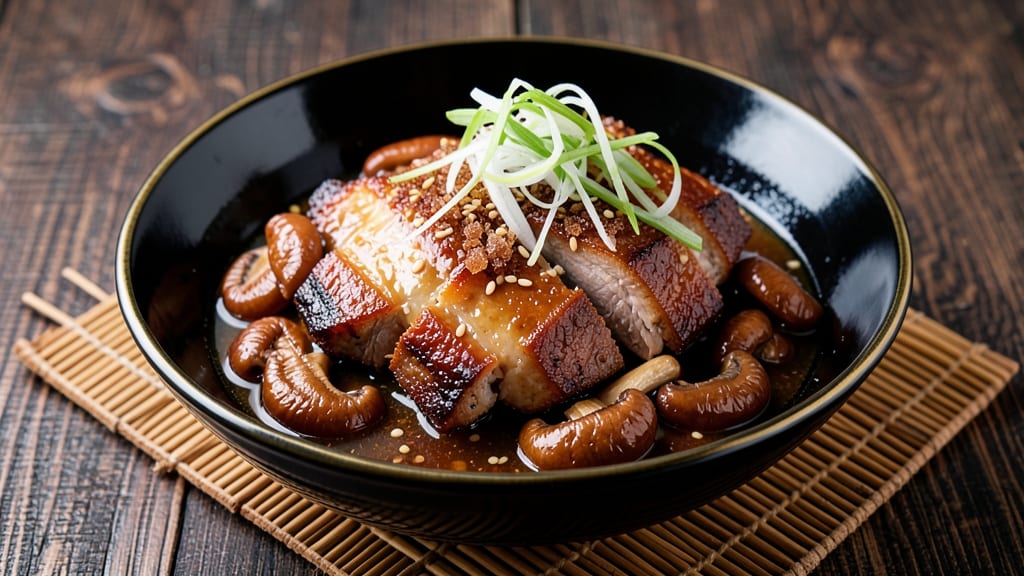
This Chinese braised pork and mushrooms recipe delivers restaurant-quality depth in a single pot—where tender pork shoulder melts alongside earthy shiitakes in a savory soy-ginger broth. 🔥 As someone who’s spent years perfecting braising techniques, I’ll show you how to achieve that signature caramelized crust and rich, umami-forward sauce without complicated steps.
The secret lies in the marinade and slow cooking process that transforms tough cuts into melt-in-your-mouth perfection.
The beauty of this dish is its simplicity: just a handful of pantry staples create layers of flavor through careful layering. We’ll start with a quick stir-fry of aromatics—garlic, ginger, and star anise—to build the base, then let the pork and mushrooms braise for hours until fork-tender.
The key is patience; the longer it cooks, the deeper the flavors develop, creating a dish that’s both comforting and impressive.
What you’ll end up with is a one-pot wonder that’s rich, aromatic, and packed with texture—crisp edges on the pork, tender mushrooms, and a glossy sauce that clings to every bite.
This is the kind of meal that tastes even better the next day, making it perfect for meal prep or feeding a crowd. The aroma alone will have everyone gathering at the table.
Serve it over steamed jasmine rice or with a side of stir-fried bok choy to complete the meal. The dish holds up beautifully for leftovers, too, so you’ll have delicious takeout-style meals all week. Let’s get cooking!
Ingredients for chinese braised pork mushroom
Pantry staples meet restaurant-quality flavors in this one-pot pork and mushroom masterpiece.
| Ingredient | Amount | Notes |
|---|---|---|
| Pork Shoulder 🐷 | 2 ½ lb | Bone-in for flavor, cut into 2-inch chunks |
| Dried Shiitake Mushrooms 🍄 | 8 whole | Rehydrated in warm water |
| Light Soy Sauce 🥄 | ½ cup | High-quality brand like Kikkoman |
| Dark Soy Sauce 🥄 | 2 tbsp | For deep color and richness |
| Shaoxing Wine 🍷 | ¼ cup | Or substitute dry sherry |
| Brown Sugar 🍯 | ¼ cup | Packed firmly |
| Garlic Cloves 🧄 | 6 cloves | Minced, fresh preferred |
| Fresh Ginger 🌿 | 2 tbsp | Grated, peeled |
| Star Anise 🌟 | 2 whole | Lightly crushed |
| Cinnamon Stick 🌿 | 1 whole | For subtle warmth |
| Green Onion 🧅 | 1 whole | Sliced, for garnish |
| Sesame Oil 🫒 | 1 tbsp | Toasted, for finishing |
| Vegetable Oil 🫒 | 2 tbsp | For stir-frying |
| Cornstarch 🌾 | 1 tbsp | For thickening sauce |
| Water 💧 | ½ cup | For rehydrating mushrooms |
The pork shoulder is where all the magic happens. Bone-in gives you the best flavor and texture, so don't skip it. Look for a cut with good marbling—Costco or Whole Foods usually have great options. If you can't find bone-in, bone-out works too, but you might want to add a splash of chicken broth to compensate. The shiitake mushrooms? Dried is traditional and lasts forever, but fresh will work if you're in a hurry. Just rehydrate them in warm water for 20 minutes—they'll plump up beautifully. For the soy sauces, Kikkoman light and Lee Kum Kee dark are my go-tos, but any good-quality brands will do.
No Shaoxing wine? Dry sherry or even a splash of rice vinegar works in a pinch. The star anise and cinnamon are what give this dish that authentic Chinese restaurant aroma—don't skip them, but if you're sensitive to strong spices, you can reduce the star anise to just one pod. For the garlic and ginger, fresh is ideal, but if you're in a bind, powdered works at half the amount. The sesame oil is for finishing—toasted gives it that nutty aroma, but regular will do if that's all you have. And if you're worried about the pork being too fatty, pat it dry before cooking—it'll brown better and you'll have less grease in your pan.
This dish tastes even better the next day, so make extra if you can. Store leftovers in an airtight container in the fridge for up to 5 days, or freeze for 3 months. I like to portion it into containers with rice for easy lunches. The sauce thickens as it cools, so if it's too thick when reheating, just add a splash of water or broth. And trust me, the aroma alone will have your whole house gathering at the table—it's that good.
Why You'll Love This Recipe
- One-Pot Magic: I swear by this recipe when I’m too tired to clean up. Toss everything—pork, mushrooms, soy, wine—into one pot, and let it simmer. The dried shiitakes rehydrate right in the sauce, so no soaking, no fuss, just pure, hands-off cooking.
- Umami Bomb: That combo of dark soy for depth, light soy for brightness, and Shaoxing wine? It’s like a flavor explosion in your mouth. The pork gets tender and sticky, the mushrooms soak up all the goodness—every bite is rich, savory, and just salty enough to make you reach for seconds.
- Lunchbox Hero: Between us, this is my go-to for meal prep. The flavors only get better after a day in the fridge, and it reheats like a dream. Pack it in rice bowls for work, or serve it cold over noodles—it’s always a hit, even with picky eaters.
- Budget Win: Pork shoulder is cheap, dried mushrooms last forever, and a little wine goes a long way. I make this for four people for under $15, and it stretches to feed us for days. Honestly, it’s the kind of dish that makes grocery shopping feel like a victory.
Step-by-step instructions for Chinese braised pork and mushrooms
This umami-packed dish comes together in one pot with rich flavors developing over time.
🔥 Step 1: Rehydrate and Sear the Pork
First, soak the 8 whole dried shiitake mushrooms in the 0.5 cup water for 20 minutes until pliable. Drain, reserving the soaking liquid, and slice the mushrooms. In a large pot or Dutch oven, heat the 2 tbsp vegetable oil over medium-high heat. Add the 2.5 lb pork shoulder cut into 2-inch chunks and sear until golden brown on all sides—about 5-6 minutes total. This step builds deep flavor through the Maillard reaction.
Once browned, remove the pork and set aside. In the same pot, add the rehydrated mushrooms and cook for 2 minutes until they begin to soften. Here's the thing—don't overcrowd the pot, or you'll steam instead of sear. Work in batches if needed, keeping the mushrooms in a bowl while you finish searing the pork.
🍳 Step 2: Build the Aromatic Base
Add the 6 cloves minced garlic and 2 tbsp grated fresh ginger to the pot, stirring for 30 seconds until fragrant—you should smell that bright, zesty aroma. Toss in the 2 whole lightly crushed star anise and 1 whole cinnamon stick, letting them toast for 1 minute. This step develops the warm, spiced complexity that defines Chinese braising.
Pour in the 0.25 cup Shaoxing wine and scrape up any browned bits from the bottom with a wooden spoon. These bits are pure flavor—don't miss them! Let the wine simmer for 2 minutes until reduced by half. The alcohol will cook off, leaving behind concentrated flavor.
🥘 Step 3: Braise with Soy and Sugar
Return the pork to the pot. Add the 0.5 cup light soy sauce, 2 tbsp dark soy sauce, and 0.25 cup packed brown sugar, stirring to combine. Pour in the reserved mushroom soaking liquid and bring to a gentle simmer. Here's where patience pays off—cover the pot and let it cook at low heat for 1 hour, stirring occasionally. You want the pork to become fork-tender while the sauce thickens into a glossy, umami-rich glaze.
After 1 hour, check the pork with a fork—it should pierce easily but still have some resistance. If the sauce is too thin, uncover and simmer for another 10-15 minutes to reduce it. The goal is a balanced sauce that coats the pork beautifully without being watery.
⏰ Step 4: Thicken and Finish
Mix the 1 tbsp cornstarch with 2 tablespoons water in a small bowl to create a slurry. Stir this into the braising liquid and simmer for 2-3 minutes until the sauce thickens to a velvety consistency. The sauce should coat the back of a spoon and cling to the pork when you lift it.
Remove the star anise and cinnamon stick (they've done their job). Stir in the 1 tbsp toasted sesame oil and taste—adjust seasoning if needed, adding a splash more light soy sauce for saltiness or a pinch of sugar for balance. The sauce should be rich, slightly sweet, and deeply savory.
🍽️ Step 5: Rest and Serve
Let the braised pork rest for 10 minutes before serving. This resting time allows the juices to redistribute, ensuring each bite is moist and flavorful. To serve, slice the pork against the grain into ½-inch thick pieces. Garnish each portion with sliced green onion for freshness and color.
Serve this dish over steamed rice or noodles to soak up every last drop of that glorious braising sauce. The contrast of the tender pork, earthy mushrooms, and aromatic sauce makes this a weeknight favorite that feels like a restaurant meal.
Pro Tips For Making Chinese Braised Pork Mushroom
- Parboil Pork First: Toss the pork shoulder in simmering water for 5 minutes before braising—this tightens the meat and keeps it from falling apart later. I learned this the hard way when my first batch turned to mush; trust me, it’s worth the extra bowl.
- Soak Mushrooms Overnight: Skip the rushed soak—dried shiitakes need at least 8 hours in warm water to fully rehydrate. Cold water? Forget it. Use the soaking liquid (strain out debris) for the braise—it’s packed with umami that store-bought broth can’t match.
- Don’t Rush the Wine: Let the Shaoxing wine simmer alone for 2 minutes before adding other ingredients—this burns off the alcohol and deepens the flavor. I was in a hurry once and added it all at once; the dish tasted raw and sharp.
- Layer Sauces Last: Add light soy sauce in the final 10 minutes, dark soy sauce just before serving—this keeps the color vibrant and the flavors balanced. Dark soy sauce burns fast; don’t let it sit too long or you’ll end up with bitter sludge.
Common mistakes when making your chinese braised pork mushroom
Overcrowding the Pot
One of the biggest mistakes I see is overcrowding the pot when searing the pork or mushrooms. When you pack too many pieces in at once, you steam instead of sear, which means you lose that crucial Maillard reaction that creates deep flavor.
I’ve seen home cooks dump all the pork chunks in at once, and by the time they’re done, they’re gray and soggy instead of golden brown. 🔥
My trick? Work in batches. Sear the pork in 2-inch chunks in a single layer, then set them aside while you finish the mushrooms. This ensures each piece gets that perfect crust. And trust me, the difference in flavor is night and day.
Skipping the Wine Reduction
Many recipes call for Shaoxing wine, but I’ve seen people pour it in and immediately add the soy sauce without letting it reduce. That’s a missed opportunity! The wine needs to simmer for 2 minutes to let the alcohol cook off—this concentrates the flavor and removes that harsh, boozy taste.
If you skip this step, your dish will taste flat and underseasoned.
Pro tip: After adding the wine, scrape up those browned bits from the bottom of the pot. Those bits are pure flavor, and they’ll add depth to your sauce. Don’t miss them!
Underestimating Braising Time
Patience is key with braising, but I’ve seen people rush it. If you pull the pork out too soon, it’ll be tough and chewy instead of fork-tender. The rule of thumb is 1 hour of braising time, but if your pork is still firm, keep it going.
The longer it cooks, the deeper the flavors develop, and the sauce will thicken naturally.
I’ve had people walk away from the stove and come back to find their pork still undercooked. Set a timer and check it every 15 minutes. If it’s not tender, give it another 10-15 minutes. Trust the process—it’s worth the wait!
Ignoring the Resting Time
After all that braising, it’s tempting to dig in right away. But if you skip the 10-minute rest, the juices will spill out onto your plate instead of staying in the pork.
I’ve seen people serve this dish immediately, and while it’s still good, it’s not as flavorful or juicy as it could be.
Let that pork rest! It’s like letting a steak rest after grilling—it ensures every bite is moist and packed with flavor. While it rests, use that time to slice the green onions for garnish or steam your rice. It’s a small step that makes a big difference.
Using Low-Quality Soy Sauce
Not all soy sauces are created equal. I’ve seen people use generic store-brand soy sauce, and the results are noticeably less rich and complex. For this recipe, you need high-quality light and dark soy sauces, like Kikkoman or Lee Kum Kee.
The dark soy sauce adds color and depth, while the light soy sauce brings the saltiness.
If you’re using a cheaper brand, you might need to add a pinch of sugar or an extra splash of soy sauce to compensate. But honestly, it’s worth investing in good ingredients—your taste buds will thank you!
Forgetting to Adjust Seasoning
Finally, I’ve seen people taste the dish right after braising and think it’s perfect, only to realize later that it needs more seasoning. The flavors develop and mellow as the dish cools, so always taste it again before serving.
If it’s too bland, add a splash more light soy sauce. If it’s too sweet, balance it with a pinch of salt or a splash of vinegar.
And don’t forget the finishing touch: a drizzle of toasted sesame oil adds that nutty aroma that takes the dish over the top. Trust your taste buds—they’re your best guide!
Nutrition facts
Frequently asked questions
Can I substitute fresh mushrooms for dried shiitake?
Yes, but you'll need 8 ounces of fresh shiitake mushrooms (about 1 cup sliced) instead of dried. Since fresh mushrooms don't need rehydrating, simply slice them and add them directly to the pot with the pork during the stir-fry step. The texture will be slightly different—fresh mushrooms absorb more liquid during braising—but the flavor remains excellent.
What's the best cut of pork for this recipe?
Pork shoulder (also called Boston butt) is ideal because it's flavorful and becomes tender when braised. If you can't find it, pork butt or even pork loin will work, though shoulder gives the best texture. For 2.5 pounds, look for a cut with good marbling—it ensures juicy results. Avoid lean cuts like tenderloin, as they won't become tender through braising.
How do I make this dish spicier?
Add 1 teaspoon of red pepper flakes or 1 chopped Thai chili when you stir-fry the aromatics. For deeper heat, include ½ teaspoon of Szechuan peppercorns (lightly crushed) with the star anise. If you prefer a smoother spice, blend 1 tablespoon of chili paste into the sauce at the end. Always taste first—spice builds during cooking!
Can I make this in an Instant Pot?
Sear the pork and mushrooms first in a skillet, then transfer everything to your Instant Pot. Add all the braising ingredients and cook on high pressure for 35 minutes, followed by a 10-minute natural release. The sauce may need thickening with cornstarch slurry afterward, as Instant Pots create more liquid. The pork will be even more tender—just check for doneness with a fork.
Why does my sauce turn out too thin?
This usually happens when the pork releases too much liquid during braising. To fix it, uncover the pot and simmer on medium-high heat for 10-15 minutes to reduce the sauce. For next time, try using slightly less liquid (reduce the mushroom soaking water by 2 tablespoons) or add 1 extra tablespoon of cornstarch to the slurry. The sauce should coat the back of a spoon when finished.