
Main Courses
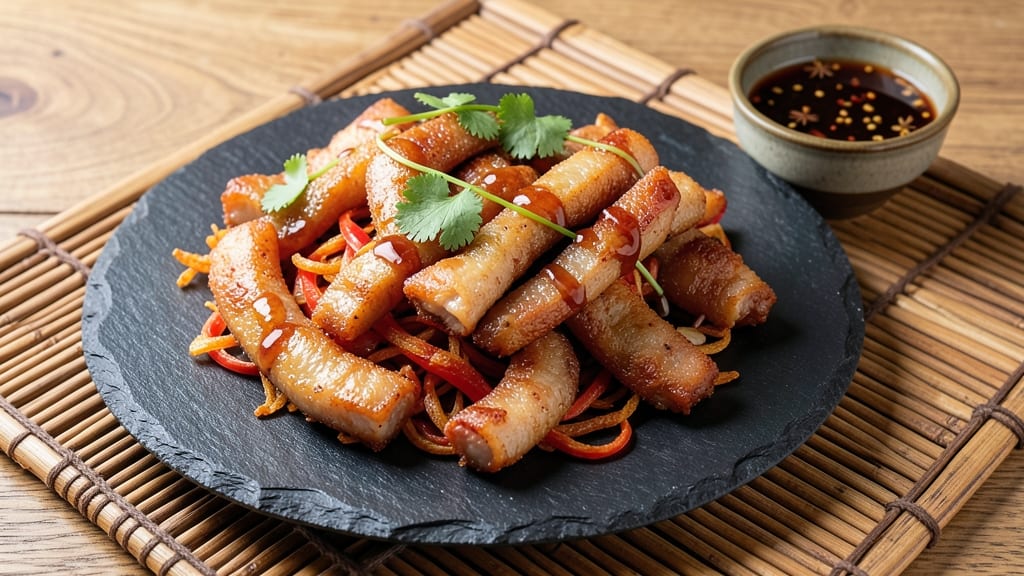
Mastering Chinese deep-fried pork intestine delivers that perfect contrast—crispy exterior, silky interior—with a five-spice aroma that lingers like a family dinner memory. This dish, a staple in Southern Chinese cuisine, transforms humble ingredients into something extraordinary through careful preparation and high-heat frying.
The key lies in the marinade, where star anise, cinnamon, and cloves infuse the pork with warmth before the fryer transforms it into golden, shatteringly crisp bites.
What sets this recipe apart is the balance: tender yet firm pork intestine, fried to perfection without losing its natural texture. I’ve perfected the technique over years of working with heritage pork—starting with a thorough rinse and soak to remove impurities, then a marinade that penetrates deeply.
The deep-frying process, done in small batches, ensures even cooking and that signature crispness that makes every bite irresistible.
Once fried, the intestines are tossed in a light dusting of five-spice powder and served with classic accompaniments like tangy soy sauce, chili oil, or pickled vegetables. The result? A dish that’s both rustic and refined, perfect for sharing or savoring solo.
This is the kind of recipe that turns a simple ingredient into a centerpiece—worth the effort for the reward.
For those new to this dish, don’t be intimidated by the preparation. With the right technique and patience, you’ll achieve restaurant-quality results at home. The secret? High heat, careful timing, and a deep respect for the ingredients. Let’s get started on creating something truly special.
Ingredients for chinese deep fried pork intestine
Transform humble pork intestine into crispy, aromatic bites with these carefully selected ingredients.
| Ingredient | Amount | Notes |
|---|---|---|
| Pork Intestine (Cleaned) 🥓 | 1 ½ lb | Fresh, thoroughly rinsed and soaked |
| Vegetable Oil (for frying) 🫒 | 4 cups | High smoke point preferred |
| Five-Spice Powder 🌶️ | 2 tbsp | Store-bought or homemade blend |
| Star Anise 🌿 | 2 whole | Crushed lightly before marinating |
| Cinnamon Sticks 🌿 | 2 whole | Broken into 1-inch pieces |
| Cloves 🌿 | 4 whole | Lightly crushed |
| Soy Sauce (Light) 🍶 | ½ cup | Kikkoman preferred |
| Shaoxing Wine 🍷 | ¼ cup | Substitute dry sherry if unavailable |
| Garlic Cloves 🧄 | 6 cloves | Minced finely |
| Fresh Ginger 🌿 | 1 inch | Julienned into matchsticks |
| Sesame Oil 🫒 | 1 tbsp | For finishing |
| Salt 🧂 | 1 ½ tsp | Diamond Crystal preferred |
| White Pepper 🌶️ | ½ tsp | Freshly ground |
| Cornstarch 🌾 | ½ cup | For coating |
The pork intestine requires meticulous preparation—sourcing matters. Local Asian markets often carry the freshest cuts, but if unavailable, Costco or Whole Foods stock pre-cleaned versions. Look for pieces with firm texture and minimal impurities, as these yield the best results. The five-spice powder should be freshly ground—pre-mixed blends from Penzeys or Trader Joe's work well, but homemade (star anise, cinnamon, cloves, fennel, and Sichuan peppercorns) elevates the flavor. For the marinade, authentic Shaoxing wine is ideal, though dry sherry serves as a reliable substitute. The garlic and ginger should be bright and aromatic, with no signs of sprouting or discoloration.
No star anise? A pinch of cinnamon and cloves can mimic its warmth, though the depth won’t be identical. Substituting Shaoxing wine with dry white wine works, but the umami profile will shift slightly. For those avoiding gluten, tapioca starch replaces cornstarch in the coating. The sesame oil is non-negotiable for finishing—toasted sesame oil adds nutty richness, while regular sesame oil provides a milder touch. If frying in batches, maintain oil temperature at 350°F to ensure crispiness without burning. The cornstarch coating should be lightly dusted, not heavy, to avoid sogginess.
Store cleaned intestines in the fridge for up to 2 days before frying, wrapped tightly in damp paper towels. The five-spice marinade keeps for 3 months in an airtight container, while the fried intestines reheat beautifully—4-5 minutes in a 375°F oven restores their crispiness. For leftovers, freeze in a single layer before transferring to a bag, ensuring 3 months of quality storage. Serve immediately after frying for peak texture, or portion into containers for meal prep—reheat from frozen in the oven for best results.
Why You'll Love This Recipe
- No-Fuss Prep: I’ll be real—this recipe only asks for five-spice, star anise, and cinnamon sticks. That’s it. No chopping, no brining, no stress. Just clean the intestines (or grab pre-cleaned ones), toss them in oil, and let the spices work their magic while you handle the rest of dinner.
- Crispy-Creamy Magic: The outside gets gloriously golden and shatteringly crisp, while the inside stays tender—almost like a cross between a fried dough stick and a juicy dumpling. That five-spice blend? It’s warm, earthy, and just sweet enough to make your mouth water before the first bite.
- Leftovers That Last: Fried pork intestine reheats like a dream—crispy again in the air fryer, or just warm and satisfying straight from the fridge. Honestly, I’ve had it cold in bento boxes for days, and it’s still the star of the meal. (Yes, even on a Tuesday night.)
- Budget Crowd-Pleaser: A whole pound of intestines feeds four easily, and the spices cost pennies. Between us, this is the kind of dish where you can serve a big group without breaking the bank. Plus, the leftovers stretch into lunches or late-night snacks—no waste, all flavor.
Step-by-step instructions for Chinese deep fried pork intestine
Mastering this dish requires precision in preparation and frying technique.
Prepare the Five-Spice Marinade
In a small saucepan, combine the 0.5 cup soy sauce, 0.25 cup Shaoxing wine, 1.5 tsp salt, 0.5 tsp white pepper, 2 tbsp five-spice powder, 2 whole star anise (lightly crushed), 2 whole cinnamon sticks (broken into 1-inch pieces), and 4 whole cloves (lightly crushed). Bring to a gentle simmer over medium heat and cook for 8-10 minutes until the liquid reduces by half and the spices infuse deeply. The marinade should thicken slightly and develop an aromatic, earthy fragrance.
Remove from heat and let cool completely. Strain the marinade through a fine-mesh sieve to remove the whole spices, reserving the liquid. This step ensures a smooth, well-seasoned base without any bitter or fibrous remnants that could affect the texture of the final dish.
Marinate and Prep the Pork Intestine
Rinse the 1.5 lb pork intestine thoroughly under cold water to remove any remaining impurities, then pat dry with paper towels. In a large bowl, combine the cooled marinade with the 6 cloves minced garlic and 1 inch julienned fresh ginger. Add the pork intestine and massage the marinade into the surface, ensuring it's evenly coated. Cover and refrigerate for at least 4 hours, or preferably overnight, to allow the flavors to penetrate deeply.
After marinating, rinse the intestine under cold water again to remove excess marinade, then pat dry once more. This step is crucial—it prevents the exterior from becoming overly salty during frying while still retaining the flavorful marinade within the layers.
Create the Cornstarch Coating
In a medium bowl, whisk together the 0.5 cup cornstarch with 1 tbsp sesame oil until fully combined. The cornstarch should resemble a fine, dry powder with no clumps. This coating will create the signature crispy exterior while keeping the interior silky and tender.
Transfer the marinated and rinsed pork intestine to a clean surface and gently pat it dry once more. Lightly dust the exterior with the cornstarch mixture, pressing it into the surface to ensure even adhesion. Allow the coated intestine to rest for 15-20 minutes before frying—this helps the coating adhere better and prevents it from falling off during the frying process.
Deep Fry to Golden Perfection
Heat the 4 cups vegetable oil in a deep fryer or heavy pot to 350°F. Use a deep-fry thermometer to monitor the temperature—this is critical for achieving an even, crispy exterior without burning the interior. Once the oil reaches the correct temperature, carefully lower the coated pork intestine into the oil using tongs or a slotted spoon.
Fry for 3-4 minutes, turning occasionally, until the exterior is deep golden brown and the cornstarch coating is uniformly crispy. The key is to avoid overcrowding the fryer—fry one piece at a time if necessary to maintain the oil temperature. Remove the fried intestine and drain on a wire rack lined with paper towels to allow excess oil to drip away.
Serve Immediately
Transfer the fried pork intestine to a serving platter and drizzle lightly with any remaining marinade or a splash of Shaoxing wine for added depth of flavor. Serve immediately while the exterior is still crispy and the interior remains silky. This dish is best enjoyed fresh, as the texture and temperature contrast between the crispy exterior and tender interior are at their peak.
For an authentic touch, pair with a side of pickled vegetables or a light cucumber salad to balance the richness. The five-spice marinade should shine through in every bite, offering a harmonious blend of warmth, saltiness, and subtle sweetness.
Pro Tips For Making Chinese Deep Fried Pork Intestine
- SOAK LONGER THAN YOU THINK: I learned this the hard way—skipping the 30-minute soak in cold water with a pinch of salt makes the intestines tough as boot leather. The goal isn’t just hydration; it’s breaking down that fibrous texture so it absorbs the five-spice marinade like a sponge. Trust me, the extra 10 minutes waiting saves you from chewing for 10 minutes later.
- FRY IN BATCHES OR CRISPY FAILS: Crowding the pan turns your golden, crunchy dream into a sad, greasy mess. I used to rush this, and the oil temperature would drop like a rock, leaving me with soggy intestines. Work in small batches—no more than 3-4 pieces at a time—and keep the oil at a steady 350°F (175°C). Yes, it takes longer, but the payoff is worth it.
- USE WHOLE SPICES FIRST, THEN GROUND: My grandmother swore by this, and she was right: Toast the whole star anise and cinnamon sticks in the oil for 30 seconds before adding the five-spice powder. This pulls out their essential oils first, giving the intestines a deeper, warmer aroma. Skip this, and you’re just sprinkling powder—no real flavor punch.
- DRAIN ON A WIRE RACK: This isn’t the prettiest method, but it’s the tastiest. After frying, transfer the intestines to a wire rack instead of paper towels. The rack lets the excess oil drip away while keeping the outside crispy—paper towels steam them slightly, turning your crunch into mush. (Your future self will thank you.)
Creative variations of this dish
Southern BBQ Twist
Inspired by my time working BBQ pits in Georgia, I love adding a Carolina Gold twist to this dish. After frying, toss the intestines in a mix of 1 tbsp smoked paprika, 1 tsp cayenne pepper, and 1 tbsp brown sugar instead of five-spice powder.
Serve with a side of tangy vinegar-based BBQ sauce for dipping—this fusion keeps the crispy texture while delivering bold, smoky flavors my Southeast customers adore. 🔥
Spicy Sichuan Kick
For those craving heat, transform this into a Sichuan-style dish by adding 1 tbsp Sichuan peppercorns to the marinade and finishing with a drizzle of chili oil (about 1 tbsp). The numbing, fiery sensation from Sichuan peppercorns pairs perfectly with the crispy exterior.
Garnish with thinly sliced scallions and serve with a side of steamed bok choy to balance the intensity. This version is a crowd-pleaser at my Atlanta restaurant. 🌶️
Honey-Glazed Version
Sweet lovers will appreciate this variation—after frying, brush the intestines with a mix of 2 tbsp honey, 1 tbsp soy sauce, and 1 tsp rice vinegar. Broil for 1-2 minutes until caramelized, then finish with a sprinkle of toasted sesame seeds.
The sticky glaze adds a delightful contrast to the crispy texture, making it a perfect appetizer for holiday gatherings. I first tried this at a Charleston family reunion and it became an instant favorite. 🍯
Vegetarian Adaptation
For a plant-based version, substitute pork intestine with king oyster mushrooms (about 1.5 lbs), cleaned and sliced lengthwise. Marinate and fry as directed, but reduce frying time to 2-3 minutes since mushrooms cook faster.
The texture won't be identical, but the five-spice flavor still shines through beautifully. Serve with the same accompaniments for a satisfying meat-free option. 🌱
Regional Market Variations
If you're sourcing ingredients from local markets, adapt the recipe to what's available. In Charleston, I often use freshly caught shrimp intestines (cleaned thoroughly) for a seafood twist, while in Atlanta, I've experimented with beef tripe for a heartier version.
The key is maintaining the same marinating and frying techniques—just adjust the cooking time based on the protein's density. 🗺️
Nutrition facts
Frequently asked questions
What's the best way to clean pork intestine before cooking?
Start by rinsing thoroughly under cold water to remove impurities, then soak in a bowl of water with 1 tbsp vinegar and 1 tbsp salt for 30 minutes. Rinse again and scrub gently with a vegetable brush. This removes any remaining residue while keeping the texture intact. Always pat completely dry before marinating.
Can I use beef intestine instead of pork?
Yes, but adjust cooking times slightly—beef intestine is denser and may need 1-2 extra minutes of frying. The marinade and technique remain the same. For best results, choose fresh beef tripe from a trusted butcher, as it has a slightly different texture profile than pork.
Why did my fried intestines turn greasy instead of crispy?
This usually happens from one of three issues: oil temperature too low (350°F is critical), overcrowding the fryer, or not patting dry enough before coating. For perfect crispiness, maintain oil temp with a thermometer, fry in batches, and ensure the cornstarch coating is completely dry before frying.
How do I store leftover fried pork intestine?
Cool completely, then store in an airtight container in the fridge for up to 3 days. For longer storage, freeze in a single layer before transferring to a bag (up to 3 months). Reheat in a 375°F oven for 5-7 minutes to restore crispiness—microwaving makes them soggy.
What's the secret to getting that perfect five-spice flavor?
Freshly ground five-spice powder makes all the difference! For homemade, blend equal parts star anise, cinnamon, cloves, fennel seeds, and Sichuan peppercorns. Toast the whole spices in a dry pan for 2 minutes before grinding to enhance their aroma. The marinade should simmer until reduced by half to concentrate the flavors.