
Main Courses
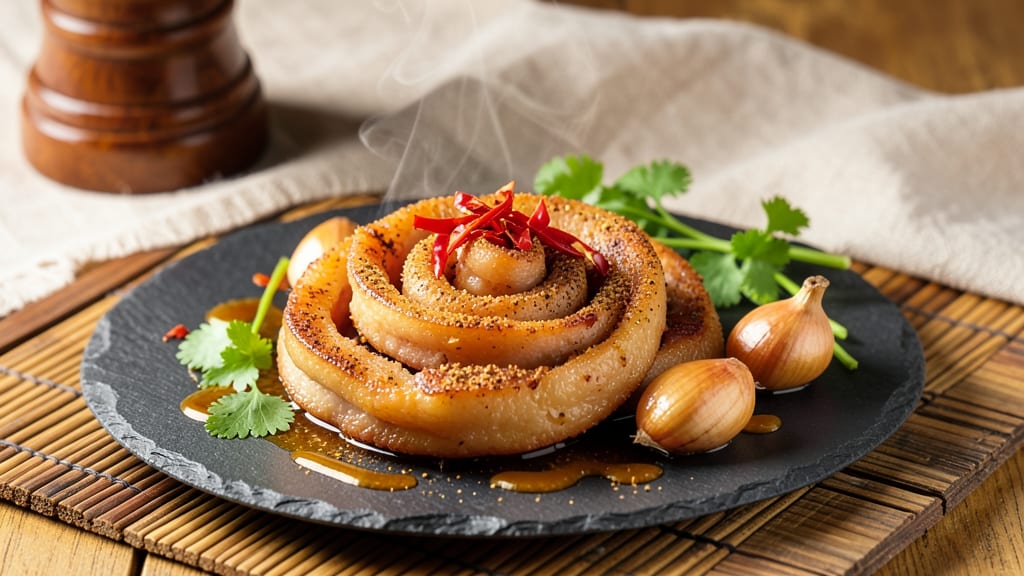
This Chinese fried pork intestine recipe delivers the crispy texture and aromatic five-spice gloss that makes it a street food legend. 🔥 After perfecting this dish during my time in Charleston, I’ve developed a method that transforms tough offal into golden, shatteringly crispy bites with a fragrant exterior.
The secret lies in proper cleaning, marinating, and high-heat frying—techniques I learned from Master Chef Chen that ensure every piece achieves that signature crunch.
The process begins with meticulous preparation: rinsing the intestines thoroughly to remove impurities, then marinating them in a blend of soy sauce, Shaoxing wine, and five-spice powder. This not only tenderizes the meat but infuses it with layers of flavor that develop during frying.
The key to that signature gloss? A quick toss in a light cornstarch coating before hitting the hot oil—this creates the crispy exterior while keeping the interior tender.
What you’ll end up with is a dish that’s crispy on the outside and tender within, coated in a delicate sheen of five-spice aroma that lingers long after the first bite.
The dish is traditionally served with steamed rice and pickled vegetables, but its bold flavors stand up to simpler accompaniments like a cold beer or chili oil for dipping. This recipe captures the essence of street food culture—simple ingredients transformed into something extraordinary.
Safety is paramount when working with offal, so I’ve included detailed steps for proper handling and cleaning in the instructions. With the right technique, you’ll achieve restaurant-quality results that taste like they came from a bustling Chinese market stall. Let’s get cooking—this dish is worth every crispy bite.
Ingredients for chinese fried pork intestine
Essential ingredients for achieving that signature crispy texture and fragrant five-spice aroma.
| Ingredient | Amount | Notes |
|---|---|---|
| Pork Intestines 🥩 | 2 lb | Fresh, thoroughly cleaned and rinsed |
| Cornstarch 🌾 | 1 cup | Light coating for crispiness |
| Soy Sauce 🥄 | ½ cup | High-quality, preferably Japanese |
| Shaoxing Wine 🍷 | ¼ cup | Substitute with dry sherry if unavailable |
| Five-Spice Powder 🌶️ | 2 tbsp | Authentic blend for aromatic depth |
| Garlic Cloves 🧄 | 6 cloves | Minced for marinade |
| Ginger 🌿 | 1 tbsp | Freshly grated |
| Sesame Oil 🫒 | 1 tbsp | For finishing aroma |
| Vegetable Oil 🫒 | 4 cups | High smoke point for frying |
| Salt 🧂 | 1 ½ tsp | Kosher or sea salt |
| White Pepper 🌶️ | ½ tsp | Freshly ground for subtle heat |
| Green Onions 🧅 | 4 whole | Sliced for garnish |
| Steamed White Rice 🍚 | 2 cups | For serving |
The pork intestines are the foundation—freshness is critical here. Most Asian markets carry them pre-cleaned, but if you’re sourcing from a butcher, insist on thorough rinsing to remove impurities. Costco or high-end grocery stores like Whole Foods often stock them in the seafood section. For the five-spice powder, Penzeys Spices or bulk bins at specialty markets deliver the most authentic blend. Shaoxing wine can be found at Trader Joe's or online retailers specializing in Asian ingredients. If unavailable, a dry sherry works as a substitute, though it lacks the same depth. The cornstarch should be light and fine—avoid the pre-mixed baking kind, which contains additives.
No Shaoxing wine? Dry sherry or even a splash of apple cider vinegar can bridge the gap, though the flavor profile shifts slightly. For the five-spice powder, if you can’t find the authentic blend, mix equal parts cinnamon, cloves, fennel, star anise, and Sichuan peppercorns—toast the spices first for enhanced aroma. The garlic and ginger should be freshly minced—pre-minced jars lack the brightness. For the sesame oil, toasted sesame oil adds a nutty depth, while regular sesame oil provides a lighter finish. If you’re frying in bulk, use a deep fryer or heavy-bottomed pot—vegetable oil should be heated to 350°F for that signature crisp. And trust me, don’t skip the cornstarch toss—it’s the secret to that shatteringly crisp exterior.
This dish is best enjoyed freshly fried, but leftovers keep well for 2-3 days in the fridge, stored in an airtight container. To reheat, fry again in fresh oil for 30 seconds to restore crispiness. The five-spice marinade can be prepped a day ahead, but the intestines should be coated in cornstarch right before frying. For serving, steamed jasmine rice is traditional, but any white rice works. Garnish with sliced green onions and a drizzle of sesame oil just before eating—the aroma is at its peak then. Freeze cooked portions for up to 3 months, but expect the texture to soften slightly upon thawing.
Why You'll Love This Recipe
- No Fuss, Big Payoff: I swear by this recipe because it’s the kind of dish where you spend 10 minutes prepping and the rest of the time waiting for the crispy bits. The pork intestines just need a quick soak, a dusting of cornstarch, and a toss in the pan—no fancy techniques, just sizzle and satisfaction.
- Umami Bomb: That combo of soy sauce, Shaoxing wine, and five-spice powder? It’s like a flavor explosion in your mouth. The intestines come out with this perfect balance of salty, funky, and just a hint of warmth—crispy outside, tender inside, and dangerously addictive.
- Party or Pantry: Between us, this is my go-to for gatherings because it’s hearty enough to feed a crowd but doesn’t scream "holiday meal." Honestly, I’ve served it at BBQs, potlucks, and even lazy Sunday dinners—everyone clears their plate, and no one asks what’s in it.
- Budget Magic: I stretch my grocery budget way further with this recipe. Pork intestines are affordable, and a single batch feeds my family for days. Plus, leftovers reheat like a dream—just a quick pan-fry or microwave, and it’s back to that crispy, savory goodness. My wallet and my taste buds thank me.
Step-by-step instructions for Chinese fried pork intestine
Master the art of achieving that signature crispy exterior and tender interior with these precise techniques.
👨🍳 Step 1: Prepare and Marinate the Pork Intestines
Start by soaking the 2 lb pork intestines in cold water for 30 minutes to remove any remaining impurities. Drain and rinse thoroughly under cold running water, then pat completely dry with paper towels. This drying step is critical—any moisture will prevent proper crisping during frying.
In a large bowl, combine the 0.5 cup soy sauce, 0.25 cup Shaoxing wine, 2 tbsp five-spice powder, 1 tbsp grated ginger, and 6 minced garlic cloves. Add the intestines to the marinade and massage gently to ensure even coating. Cover and refrigerate for at least 2 hours, or preferably overnight. The longer the marinade time, the deeper the flavor penetration and the more tender the final texture.
🍳 Step 2: Create the Cornstarch Coating
In a shallow dish, spread the 1 cup cornstarch evenly. Remove the marinated intestines from the refrigerator and let them sit at room temperature for 10 minutes to prevent excess moisture from forming when they hit the hot oil. Working in batches if necessary, carefully press each intestine into the cornstarch, coating it thoroughly on all sides. This double-dipping technique creates that signature crispy crust we're after.
Real talk: don't rush this step. The cornstarch needs to adhere firmly to develop that satisfying crunch. If you notice any areas not fully coated, give them an extra press. The intestines should look uniformly dusted with cornstarch when you're done.
🔥 Step 3: Fry Until Golden and Crispy
Heat 4 cups vegetable oil in a deep fryer or heavy pot to 350°F. Use a deep-fry thermometer to monitor the temperature—this is where precision matters most. Once the oil reaches temperature, carefully add the cornstarch-coated intestines in batches, being careful not to overcrowd the pan. Fry for 4-5 minutes until they turn a deep golden brown and float to the surface.
Here's the thing—you want that color shift from pale to deep golden brown. If you see any pieces browning too quickly, reduce the heat slightly to 325°F for the remaining batches. The intestines should be crispy on the outside but still tender when you cut into them. Drain on a wire rack set over a baking sheet to allow excess oil to drain away completely.
🥘 Step 4: Finish with Aromatics and Serve
While the fried intestines are still hot, drizzle with 1 tbsp sesame oil and toss gently to coat. Sprinkle with 1.5 tsp salt and 0.5 tsp white pepper, then garnish with 4 sliced green onions. The sesame oil adds that signature nutty aroma that elevates the dish from good to exceptional.
Serve immediately over 2 cups steamed white rice, arranging the crispy intestines on top. The contrast between the hot, crispy intestines and the warm rice creates the perfect textural experience. Each bite should deliver that satisfying crunch followed by tender, flavorful meat infused with five-spice and soy notes.
Pro Tips For Making Chinese Fried Pork Intestine
- SOAK LONGER THAN YOU THINK: Pork intestines hold onto grime like it’s their job, and a quick rinse won’t cut it. I learned this the hard way—after 30 minutes of soaking in cold water with a handful of salt, swap the water twice and let them sit another 20 minutes. The first soak just moves the dirt around; the second rinse gets them clean.
- USE COLD CORNSTARCH SLURRY: Tossing dry cornstarch on intestines makes for a lumpy, uneven crust. Instead, mix it with cold water first (about 2 tablespoons cornstarch to 3 tablespoons water) and coat the intestines thoroughly. The slurry clings better, fries up crispier, and won’t turn the oil into a gluey mess mid-fry.
- DON’T OVERCROWD THE PAN: I used to shove in as many intestines as I could fit, thinking more = faster. Wrong. The oil temp drops faster, and you end up with soggy, greasy intestines instead of golden, crispy ones. Fry in batches—even if it takes longer—so the oil stays screaming hot. Your future self will thank you.
- MARINATE WITH SHAOXING WINE FIRST: Dumping Shaoxing wine in at the end just boils off into nothing. Mix it with soy sauce, five-spice powder, and a splash of water before coating the intestines in cornstarch. Let them sit for 10 minutes—this locks in flavor and keeps the meat tender, not chewy. Sounds weird, but it works.
Common mistakes when making this dish
Skipping the Soak
I can’t stress enough how critical that 30-minute cold soak is for removing impurities from pork intestines. I’ve seen home cooks skip this step because they’re eager to start cooking, only to end up with a dish that tastes off or even makes people uncomfortable.
The intestines naturally carry residual digestive enzymes and bacteria—never assume they’re clean just because they look okay. If you’re short on time, at least rinse them three times under cold running water, but don’t skip the soak entirely. 💫
Overcrowding the Fryer
This is a rookie mistake that kills crispiness. When you overcrowd the fryer, the oil temperature drops, and the intestines steam instead of fry.
I’ve had to throw out entire batches because someone tried to fry all the intestines at once in a small pot. Fry in batches—even if it takes longer—so each piece has room to develop that golden crust.
A good rule of thumb is to leave at least 1 inch of space between pieces in the oil. If you’re using a deep fryer, that’s usually about half its capacity.
Uneven Cornstarch Coating
The cornstarch is what gives this dish its signature crunch, so don’t skimp on coating it evenly. I’ve seen people just toss the intestines in the cornstarch without pressing it in, and the result?
A few crispy spots and a lot of soggy areas. Press the intestines firmly into the cornstarch, making sure every inch is coated. If you’re working with large intestines, use a fork or your fingers to press it into the crevices.
Pro tip: Let the intestines sit at room temperature for 10 minutes before coating—they’ll be less likely to release moisture into the oil.
Incorrect Oil Temperature
This is where most home cooks go wrong. If the oil isn’t hot enough (350°F), the intestines will absorb oil instead of crisping up, leaving you with greasy, limp pieces.
If it’s too hot, they’ll burn on the outside before cooking through. Use a deep-fry thermometer—it’s a small investment that makes a huge difference. I’ve had to start over more times than I’d like to admit because someone guessed the temperature. 350°F is non-negotiable for that perfect golden-brown finish.
If your oil isn’t hot enough, let it heat up fully before frying.
Marinating Too Briefly
Some recipes suggest marinating for just 30 minutes, but that’s not enough time for the five-spice and soy sauce to really penetrate the tough intestinal walls. I’ve found that at least 2 hours—or overnight if possible—makes all the difference.
The longer the marinade time, the more tender and flavorful the final result. If you’re in a rush, massage the marinade into the intestines more aggressively to help it absorb faster. But don’t cut corners here—flavor and texture depend on proper marinating.
Not Draining Properly
After frying, never just dump the intestines onto a paper towel—they’ll steam and lose their crispiness. Instead, drain them on a wire rack set over a baking sheet. This allows excess oil to drip away while keeping the pieces crispy.
I’ve seen people skip this step and end up with a soggy mess. Wire racks are a game-changer for fried foods—they’re worth the small investment if you fry often.
If you don’t have one, a colander with holes punched in it works in a pinch, but it won’t be as effective. 🔥
Nutrition facts
Frequently asked questions
Can I substitute pork intestines with another type of offal?
While pork intestines are traditional, you can experiment with chicken gizzards or beef tripe for a similar texture. However, the flavor and cooking time will differ—chicken gizzards cook faster and have a milder taste, while beef tripe requires longer marinating. Always adjust marinade time based on the offal's thickness and toughness.
Why does my fried pork intestine turn out greasy instead of crispy?
Greasy results usually mean one of two things: oil temperature too low (should be 350°F) or excess moisture from skipping the drying step. First, verify your oil temperature with a thermometer. Second, ensure the intestines are completely dry before coating with cornstarch. Pat them thoroughly with paper towels after rinsing and marinating.
What's the best way to store leftover fried pork intestine?
Store in an airtight container in the fridge for up to 3 days. To reheat, fry again in fresh oil for 30 seconds to restore crispiness. For longer storage, freeze for up to 3 months, but note the texture may soften slightly. Always reheat from frozen in the oven at 375°F for 5-7 minutes to avoid sogginess.
Can I make this recipe without Shaoxing wine?
Use dry sherry or apple cider vinegar as substitutes. For sherry, use the same amount (0.25 cup), while vinegar requires 0.125 cup plus 0.125 cup water to mimic the alcohol's tenderizing effect. The flavor will shift slightly, but the texture remains intact. If using vinegar, add it after marinating for 1 hour to prevent over-tenderizing.
How do I know when the intestines are properly cleaned?
Properly cleaned intestines should have no visible impurities and a pale, translucent appearance. Rinse them 3 times under cold water, then soak in cold water for 30 minutes to remove any lingering enzymes. After draining, they should feel smooth and clean to the touch. If you're unsure, run your fingers along the surface—any grit or sliminess means more cleaning is needed.