
Main Courses
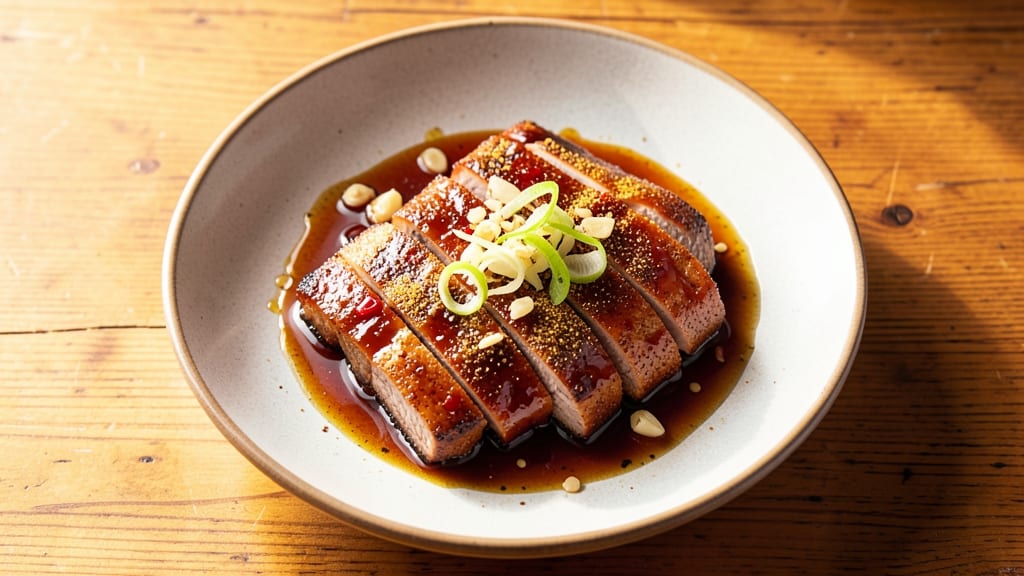
This Chinese five-spice pork fillet recipe delivers restaurant-quality results with a fragrant spice crust and tender, juicy interior—perfect for weeknight dinners or special occasions. I developed this technique after years of perfecting wok searing methods, ensuring the pork stays moist while developing that signature aromatic crust. The five-spice powder isn't just a seasoning; it's the soul of the dish, creating layers of warmth that linger long after the first bite.
The key to success lies in the marinade, which tenderizes the pork while allowing the spices to penetrate deeply. You'll work with simple ingredients—pork fillets, five-spice powder, soy sauce, and a touch of honey—but the technique transforms them into something extraordinary.
The wok-searing method creates that coveted caramelized crust while keeping the interior perfectly pink and juicy, a balance that's surprisingly easy to achieve with the right timing.
What you'll end up with is a dish that's elegant enough for dinner guests but simple enough for a weeknight. The pork fillets emerge from the wok with a beautiful mahogany crust, fragrant with the complex aromas of cinnamon, star anise, and clove from the five-spice blend.
Each bite delivers tender meat with a satisfying crunch from the spice crust, perfectly balanced by the sweet-savory marinade.
Pair these fillets with steamed jasmine rice and stir-fried bok choy for a complete meal that transports you to a bustling Chinese wok kitchen. The recipe scales beautifully, so you can easily double it for a crowd.
Here's how to make it—once you try this, you'll never go back to plain pork again.
Ingredients for chinese five spice pork fillet
Simple ingredients, extraordinary technique—this five-spice pork delivers restaurant-quality flavor at home.
| Ingredient | Amount | Notes |
|---|---|---|
| Pork Fillets 🐖 | 1 ½ lb | Center-cut, 1-inch thick slices |
| Five-Spice Powder 🌶️ | 2 tbsp | Authentic Chinese blend, not pre-mixed |
| Light Soy Sauce 🍶 | ½ cup | Kikkoman preferred for balance |
| Honey 🍯 | 2 tbsp | Wildflower for floral depth |
| Sesame Oil 🫒 | 1 tbsp | Toasted, not flavored |
| Garlic Cloves 🧄 | 4 cloves | Minced, fresh preferred |
| Ginger Root 🌿 | 1 tbsp | Freshly grated, not powdered |
| Cornstarch 🌾 | 2 tbsp | For crisp crust, not flour |
| Neutral Oil 🫒 | ¼ cup | Avocado or vegetable oil |
| Green Onions 🧅 | 3 whole | Sliced, for garnish |
| Diamond Crystal Kosher Salt 🧂 | 1 tsp | For seasoning, not iodized |
| Ground Black Pepper 🌶️ | ½ tsp | Freshly cracked |
| Jasmine Rice 🍚 | 1 ½ cups | Uncooked, for serving |
The five-spice powder is non-negotiable here. Penzeys or Hainan brands nail the authentic blend of cinnamon, star anise, clove, fennel, and Sichuan peppercorn. Grab it from Asian markets—they often have fresher batches than grocery stores. Pork fillets need to be center-cut and 1-inch thick for even cooking; ask your butcher to slice them if they don't sell pre-cut. The honey should be wildflower or clover—avoid the overly processed kind that tastes like syrup. For sesame oil, Kadoya is my go-to, but any toasted variety works.
No five-spice powder? Mix 1 tsp each of cinnamon, star anise, clove, and fennel seeds—toast the whole spices first for depth. Light soy sauce? Dark soy adds color but changes flavor, so stick with Kikkoman or similar. Short on honey? Maple syrup works in a pinch, but it leans more earthy. Cornstarch is key for that crisp crust—don't substitute flour. For the oil, avocado oil has the highest smoke point if you're searing hot. The green onions? Use scallions if that's what's available, but save the tops for garnish—they're the most flavorful part.
Marinate the pork for at least 30 minutes, but no longer than 2 hours—over-marinating makes it mushy. Store the five-spice powder in a dark glass jar to preserve its aroma. Leftover pork reheats best in a steamer basket over boiling water to keep it moist. The jasmine rice? Cook it ahead and keep warm in a rice cooker—it reheats beautifully. This dish tastes even better the next day as the flavors meld.
Why You'll Love This Recipe
- Five Ingredients, Big Flavor: I swear by this combo—just pork, five-spice, soy, honey, and sesame oil. No fancy prep, no hidden pantry staples. The five-spice alone (that warm cinnamon-clove-anise punch) turns simple pork into something ridiculously good.
- Pan-Fry Magic: Honestly, it’s one of those recipes where you almost feel guilty for how easy it is. Thinly sliced pork hits the pan, caramelizes in minutes, and the honey-soy glaze? Sticky, glossy perfection with zero babying required.
- Lunchbox Hero: Between us, this is my go-to for packed lunches. Slice it thin, toss with rice or noodles, and it keeps for days in the fridge. My kid’s favorite? The cold sesame oil drizzle—she’ll eat it straight from the container.
- Budget Stretch: Five-spice powder lasts forever, and pork fillets are cheaper than you’d think. A single package of pork feeds my family for two meals, and the leftovers? Even better reheated with a splash of water to keep that glossy sheen.
Step-by-step instructions for Chinese five-spice pork fillet
Here's how to create that perfect balance of crispy exterior and fragrant spice core.
Marinate the Pork for Maximum Flavor
In a medium bowl, combine the 1.5 lb pork fillets, 2 tbsp five-spice powder, 0.5 cup light soy sauce, 2 tbsp honey, 1 tbsp sesame oil, 4 minced garlic cloves, 1 tbsp freshly grated ginger root, 1 tsp Diamond Crystal kosher salt, and 0.5 tsp ground black pepper. Use your hands to gently massage the marinade into the pork, ensuring every surface gets coated with those aromatic spices.
Cover the bowl and refrigerate for at least 2 hours (overnight works best). This resting period allows the five-spice blend to penetrate deeply while tenderizing the meat. The pork should absorb the marinade completely, developing a beautiful mahogany hue and a tantalizing aroma that fills your kitchen.
Create the Crispy Cornstarch Coating
In a shallow dish, mix the 2 tbsp cornstarch with 1 tbsp light soy sauce and 1 tbsp sesame oil until you have a fine, even coating. Remove the pork from the refrigerator and pat it dry with paper towels—this is crucial for maximum crispiness. Working quickly, press each fillet into the cornstarch mixture, coating both sides thoroughly.
The cornstarch creates that signature wok-seared crust we're after. Let the coated pork rest for 10 minutes while you prepare your cooking surface. This brief pause ensures the cornstarch adheres properly rather than falling off during cooking.
Wok-Sear for Perfect Crust and Juicy Core
Heat a wok or large skillet over high heat until it's screaming hot. Add the 0.25 cup neutral oil and let it shimmer for 30 seconds. Working in batches if needed, add the pork fillets and sear for 2-3 minutes per side until they develop a deep golden-brown crust with caramelized edges.
Here's the secret: don't move the pork around constantly. Let it develop that beautiful crust undisturbed for 30-45 seconds per side before gently flipping. The internal temperature should reach 145°F when measured with an instant-read thermometer. Remove to a plate and tent loosely with foil to keep warm.
Complete the Glaze and Garnish
Return the wok to high heat and add the 3 sliced green onions, cooking for 30 seconds until fragrant. Pour in any accumulated juices from the pork and let them caramelize for 1 minute. Then add 1 tbsp honey and 1 tbsp light soy sauce, scraping up any browned bits from the bottom of the pan.
Simmer for 1-2 minutes until the sauce thickens slightly into a glossy glaze. Pour this fragrant sauce over the pork fillets and garnish with additional green onion slices. The combination of crispy crust, tender meat, and aromatic glaze creates the perfect balance of textures and flavors in every bite.
Serve Over Jasmine Rice
Cook the 1.5 cups jasmine rice according to package instructions until tender and fluffy. The rice should be hot but not steaming when you serve it. Plate the pork fillets over the rice, allowing the fragrant aromas to mingle beautifully.
This dish delivers that perfect harmony of textures - crispy exterior, tender interior, and fragrant five-spice core. The balance of sweet, salty, and umami flavors makes each bite irresistible. Serve immediately while the pork is at its peak temperature and the rice is perfectly steamed.
Pro Tips For Making Chinese Five Spice Pork Fillet
- Sear First, Then Spice: Hit the pan with a dry, screaming-hot surface before adding oil—this locks in juices and builds flavor. I used to toss in the pork too soon, and the fillets turned out steamed instead of caramelized. Five-spice powder needs something to cling to, so let that crust form first.
- Toast the Five-Spice: Bloom the five-spice powder in oil for 20 seconds before adding the pork—this wakes up the cinnamon and clove notes. I skipped this once and ended up with a dish that tasted like "generic Chinese takeout." A quick toast makes a real difference.
- Skip the Overcrowding: Cook the pork fillets in a single layer, even if it means two batches. Pushing them together steams them instead of searing, and you’ll end up with soggy edges. Trust me, the extra minute waiting for the pan to reheat is worth it.
- Deglaze with Soy-Honey: After searing, splash in a mix of light soy sauce and honey immediately—this scrapes up the browned bits (fond) and turns them into glossy glaze. I used to just add sauce at the end, and the sauce tasted flat. Do this step, and your fillets will shine.
Troubleshooting great chinese five spice pork fillet
Undercooked Pork Fix
If your pork fillets come out undercooked (below 145°F internal temp), don't panic—they can be safely finished in the oven. Preheat your oven to 375°F, place the pork on a wire rack over a baking sheet, and bake for 5-7 minutes until reaching 145°F.
This method preserves moisture better than the stovetop, which can dry out the meat. 🌡️
Spice Crust Falling Off
The cornstarch coating often falls apart if the pork isn't properly dried before coating. Pat the fillets extremely dry with paper towels—don't skip this step! Also, ensure your cornstarch mixture is light and fluffy (not clumpy) by sifting it first.
If it still falls off, try pressing the pork into the coating with your fingers for better adhesion.
Overly Dry Meat
Overcooking is the #1 cause of dry pork. Use a meat thermometer and remove the fillets when they hit 145°F—no waiting! If your pork turns out dry, try marinating it for overnight (not just 2 hours) to maximize tenderness.
Also, reduce the searing time slightly (1.5-2 minutes per side) and let the residual heat carry it to temperature.
Uneven Cooking
Thicker portions cook slower than thinner ones, leading to uneven doneness. For consistent results, trim any uneven edges from your pork fillets before marinating. If you notice some pieces cooking faster, remove them first and finish them separately.
A cast-iron skillet distributes heat more evenly than nonstick—my Lodge skillet is perfect for this dish.
Five-Spice Flavor Weak
If your dish lacks that signature five-spice aroma, your blend might be old or underused. Toast 1 tsp whole spices (cinnamon, star anise, clove, fennel) in a dry pan for 1 minute before grinding them fresh.
For extra punch, add ½ tsp Sichuan peppercorn directly to the cornstarch coating—the heat will wake up your taste buds! 🌶️
Sauce Too Thin
A runny glaze happens when you don't reduce the pan juices enough. After adding honey and soy sauce, simmer for 2-3 minutes until slightly thickened. For instant thickening, mix ½ tsp cornstarch with 1 tsp water, stir into the sauce, and cook for 30 seconds.
This creates that perfect glossy finish without altering the flavor.
Nutrition facts
Frequently asked questions
Can I substitute chicken or beef for the pork fillets?
While pork is traditional, you can use chicken thighs (bone-in for better texture) or sirloin steaks (1-inch thick). For chicken, reduce marinating time to 1 hour max—it cooks faster. Beef needs 150°F internal temp instead of 145°F. The five-spice blend works beautifully with either, but adjust cooking times carefully.
How do I make this dish spicier?
Add ½ tsp chili flakes or 1 tsp minced fresh chili to the marinade, or sprinkle ½ tsp Sichuan peppercorn (toasted) over the cornstarch coating. For heat lovers, include 1 tbsp chili garlic sauce in the glaze. Start with small amounts—these spices pack serious punch!
What's the best way to reheat leftovers?
Reheat in a steamer basket over boiling water for 3-4 minutes—this keeps the pork moist. Avoid microwaving uncovered (it dries out the meat). For extra crispiness, sear briefly in a hot pan with ½ tsp oil after steaming. Leftovers taste even better the next day as flavors meld!
Can I use ground pork instead of fillets?
Ground pork won't work for this recipe—it needs the fillet's structure for proper searing. For a different texture, try pork tenderloin cubes (marinate 4 hours) or char siu-style pork belly (braise instead of sear). The five-spice blend still shines, but cooking methods must adapt to the cut.
What are the best sides to serve with this?
Classic pairings include steamed jasmine rice, stir-fried bok choy, or egg fried rice. For freshness, add cucumber salad with rice vinegar. For heartier meals, serve with garlic green beans or sweet potato mash. The spicy-sweet pork balances well with cooling, crisp vegetables.