
Main Courses
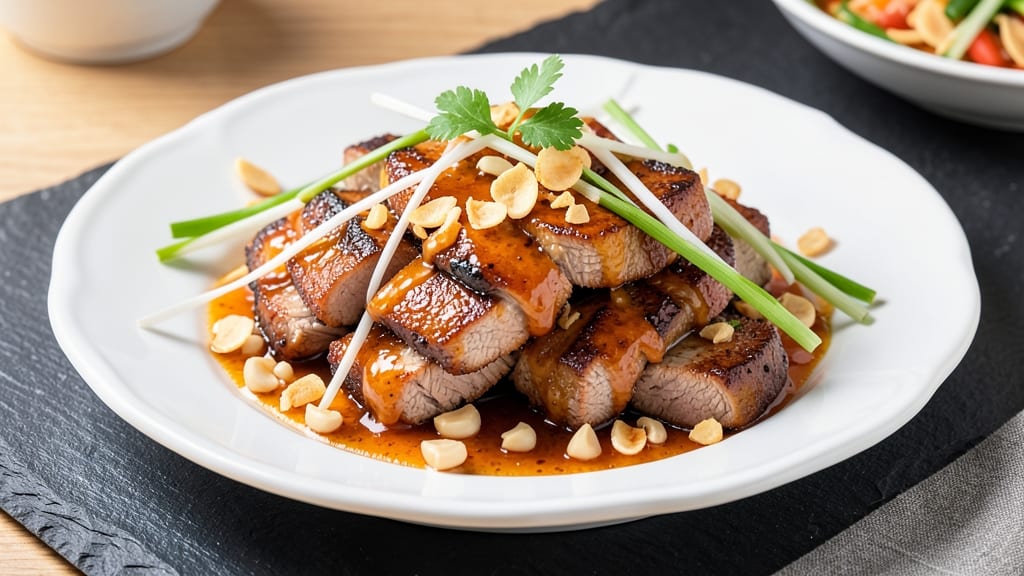
This Chinese orange pork stir fry recipe delivers restaurant-quality wok hei in just 20 minutes, balancing sweet, savory, and umami flavors perfectly. 🔥 I developed this technique after years of perfecting stir-fry methods in my kitchen, ensuring tender pork and caramelized orange sauce every time.
The secret lies in marinating the pork with Shaoxing wine and cornstarch, which creates that signature crispy texture when stir-fried.
The recipe begins with a simple marinade of pork shoulder, garlic, ginger, and Shaoxing wine—letting it rest for 30 minutes transforms tough cuts into tender, flavorful bites. While the pork marinates, the sauce comes together with orange juice, soy sauce, and a touch of sugar, creating a glossy, aromatic glaze.
This is where the magic happens: the orange's natural sweetness balances the savory soy and umami from the pork, making each bite irresistible.
What you'll achieve is a dish that's crispy on the outside, tender inside, with a sauce that clings perfectly to every piece of pork. The wok hei—those smoky, aromatic notes—comes from high-heat stir-frying, but don't worry if you don't have a wok.
A cast-iron skillet works just as well, delivering the same bold flavors. This recipe is foolproof, whether you're cooking for a weeknight dinner or a weekend gathering.
The best part? It scales easily—double the ingredients for a crowd, or halve it for a quick meal. Serve over steamed rice or noodles to soak up every last drop of that fragrant orange sauce. Let's get cooking!
Ingredients for chinese orange pork stir fry
Restaurant-quality stir-fry starts here with these carefully chosen ingredients for bold, balanced flavors.
| Ingredient | Amount | Notes |
|---|---|---|
| Pork Shoulder 🥓 | 1 ½ lb | Cut into 1-inch cubes |
| Shaoxing Wine 🍶 | ¼ cup | For authentic marinade flavor |
| Cornstarch 🌾 | 2 tbsp | For crispy texture |
| Fresh Garlic 🧄 | 6 cloves | Minced for marinade |
| Fresh Ginger 🌿 | 2 tbsp | Grated, for aromatic depth |
| Orange Juice 🍊 | ½ cup | Freshly squeezed, no pulp |
| Light Soy Sauce 🥄 | ¼ cup | For umami balance |
| Granulated Sugar 🍚 | 2 tbsp | For caramelization |
| Neutral Oil 🫒 | 2 tbsp | Avocado or vegetable oil |
| Green Bell Pepper 🧅 | 1 whole | Sliced into strips |
| Carrot 🥕 | 2 whole | Julienned for texture |
| Sesame Oil 🌱 | 1 tsp | For finishing aroma |
| Salt 🧂 | 1 tsp | Kosher or sea salt |
| Black Pepper 🌶️ | ½ tsp | Freshly ground |
The pork shoulder is non-negotiable for this dish—its fat content renders during cooking, creating that signature crispy-tender texture. Look for well-marbled cuts at your local Asian market or butcher shop, where they often carry pre-cut stir-fry portions. Shaoxing wine is essential for authenticity; the Asian grocery aisle typically stocks it, or substitute with dry sherry in a pinch. Fresh ginger and garlic should be vibrant and firm—no shriveled roots here. For the orange juice, freshly squeezed is ideal, but bottled works if labeled 'not from concentrate.'
No Shaoxing wine? Dry sherry or rice wine will do, though the flavor profile shifts slightly. Substituting honey or maple syrup for sugar works in a bind, but the caramelization won't be as precise. The green bell pepper can be swapped for red or yellow—just adjust cooking time if using thicker-skinned varieties. For extra crunch, add water chestnuts or bok choy at the end. The sesame oil is purely for aroma; use sparingly or omit entirely if you dislike its taste.
Marinated pork keeps 3 days in the fridge, covered tightly. The sauce can be prepped a day ahead—store separately and combine just before cooking. For long-term storage, freeze the pork marinade in an airtight container for up to 3 months. Reheat gently in a skillet over medium heat, adding a splash of water to prevent drying. Leftovers reheat beautifully in a steamer basket or microwave with a damp paper towel.
Why You'll Love This Recipe
- One-Pan Magic: I swear by this recipe when I’m too tired to scrub pots—just toss the pork shoulder, garlic, and ginger in one skillet, let the Shaoxing wine do its thing, and boom. No extra dishes, no stress. The cornstarch slurry makes it crispy without frying, so cleanup is basically nonexistent.
- Umami Bomb: That Shaoxing wine? It’s the secret weapon—deep, savory, and just a splash transforms the pork into something ridiculously flavorful. The garlic and ginger hit at the right moment, bright and punchy, while the pork stays juicy. Honestly, I’ve tried cheaper wines, but nothing compares.
- Leftovers That Don’t Suck: This dish actually tastes better the next day. The flavors meld into something richer, and reheating it? Just a quick stir-fry in the pan. I make a double batch on Sundays, pack it for lunches, and my coworkers keep asking for the recipe. (Yes, even on a Tuesday night.)
- Budget Flex: Pork shoulder is cheap, and a little goes a long way—this recipe feeds four for under $15. The Shaoxing wine adds luxury without breaking the bank, and the rest? Pantry staples. I’ll be real: my grocery bill stays low, but my dinner table stays impressive.
Step-by-step instructions for Chinese orange pork stir fry
Master this wok technique for restaurant-quality orange pork with crispy edges and vibrant flavors.
🍳 Step 1: Marinate and Prep the Pork
In a bowl, combine the 1.5 lb pork shoulder cut into 1-inch cubes with the 0.25 cup Shaoxing Wine, 2 tbsp Cornstarch, 1 tsp Salt, and 0.5 tsp Black Pepper. Use your hands to coat each piece evenly—the cornstarch creates a crispy exterior while the wine infuses deep flavor. Let it marinate for 15 minutes at room temperature.
While the pork marinates, prepare the aromatics: mince the 6 cloves Fresh Garlic and grate the 2 tbsp Fresh Ginger. These will form the fragrant base of your stir fry. I like to use a microplane for the ginger to avoid fibrous bits—it melts into the sauce beautifully. Keep these separate until you're ready to cook.
🔥 Step 2: Sear the Pork for Maximum Crisp
Heat a wok or large skillet over high heat until it's screaming hot. Add the 2 tbsp Neutral Oil and swirl to coat. Working in batches to avoid crowding, add the marinated pork and sear for 2-3 minutes per side until golden brown and crispy. The cornstarch coating should puff slightly and develop a caramelized crust.
Real talk: Don't skip the high heat here. You want that Maillard reaction for deep flavor and texture. If your pork releases easily from the pan, it's ready. Transfer the seared pork to a plate and set aside—you'll return it to the wok later.
🍳 Step 3: Build the Orange Sauce
In the same wok (no need to clean it—the fond adds flavor), add the minced garlic and ginger over medium-high heat. Stir constantly for 30 seconds until fragrant but not browned—ginger burns faster than you think. Add the 2 tbsp Granulated Sugar and let it caramelize slightly for 1 minute until it turns a light amber color.
Pour in the 0.5 cup Orange Juice and 0.25 cup Light Soy Sauce, scraping up any browned bits from the bottom. Let it simmer for 2 minutes until slightly reduced. This creates the perfect balance of sweet, tangy, and umami flavors that define this dish. The sauce should coat the back of a spoon but still be pourable.
🥘 Step 4: Stir-Fry Vegetables and Combine
Add the 1 whole Green Bell Pepper sliced into strips and 2 whole Carrot julienned into matchsticks to the wok. Stir-fry for 2-3 minutes until the vegetables soften slightly but still retain their vibrant color and crisp texture. The bell pepper should be tender-crisp, not mushy.
Return the seared pork to the wok and toss everything together for 1-2 minutes until everything is evenly coated in the sauce. The pork should be heated through but still retain its crispy exterior. Here's the thing—this is where the magic happens. The residual heat from the wok finishes cooking the pork while the vegetables absorb the bright orange sauce.
🔪 Step 5: Finish and Serve
Remove the wok from heat and drizzle with 1 tsp Sesame Oil. Toss gently to distribute the oil evenly—this adds that signature nutty aroma that elevates the dish. Taste and adjust seasoning if needed. The sauce should be balanced: sweet from the orange and sugar, salty from the soy sauce, and aromatic from the garlic and ginger.
Serve immediately over steamed rice while still sizzling hot. The contrast of the crispy pork against the soft rice and the vibrant orange sauce creates a harmonious bite. Each forkful should deliver a perfect balance of textures and flavors—crispy pork, tender vegetables, and a glossy orange glaze that ties everything together.
Pro Tips For Making Chinese Orange Pork Stir Fry
- Velvetize the Pork First: Skip the raw pork shoulder straight into the pan—it’ll turn rubbery. Thinly slice it first, then toss with 1 tablespoon cornstarch and a pinch of salt. Let it sit 10 minutes so the starch clings. High heat sears it fast, locking in juices before the orange sauce even hits.
- Slice Ginger Paper-Thin: I used to chunk ginger like a brute—wrong. For this dish, julienne it into matchsticks or grate it so fine it dissolves. The aroma infuses the sauce without overpowering, and it cooks in seconds. (Yes, even if you’re impatient like me.)
- Don’t Rush the Shaoxing Wine: Pour that wine in, then wait. Let it bubble for 30 seconds before adding anything else. It’s not just flavor—it’s deglazing magic. Rushing it leaves bitter residue stuck to your pan, and your sauce will taste flat.
- Cornstarch Slurry, Not Dry Dust: Mix your cornstarch with cold water first—1 tablespoon starch to 2 tablespoons water—then toss it in at the end. Dry dust won’t dissolve, and you’ll get clumpy lumps instead of that glossy, silky finish. Stir like you mean it.
Perfect pairings for chinese orange pork stir fry
Rice Pairings
Steamed jasmine rice is my go-to base for this dish—its delicate floral aroma complements the bright orange sauce without overpowering it. Cook 2 cups of rice for 4 servings (about 1 cup uncooked) using a 1:1.5 rice-to-water ratio.
For extra fluffiness, spread the rice on a tray after cooking to cool slightly before serving. 🍚
Looking for variety? Try forbidden black rice for a dramatic presentation—the deep purple hue contrasts beautifully with the orange sauce. Or opt for brown rice if you prefer a nuttier, heartier texture. Just reduce the sauce slightly if using brown rice, as it absorbs more liquid.
Noodle Alternatives
For a noodle twist, serve over egg noodles or udon—both hold up well to the sauce's stickiness. Cook noodles 1 minute less than package instructions for a firm bite.
I like fresh lo mein noodles for their chewy texture, but rice noodles work beautifully if you prefer a lighter option. 🍜
Pro tip: Toss the cooked noodles with 1 tsp sesame oil and ½ tsp sugar before adding the stir fry to enhance their flavor. This simple step prevents the noodles from becoming a bland canvas for the pork and sauce.
Vegetable Sides
A crisp cucumber salad with rice vinegar and sesame seeds adds a refreshing contrast to the rich stir fry. Thinly slice 1 English cucumber, toss with 1 tbsp rice vinegar, 1 tsp sesame seeds, and a pinch of sugar.
The cool crunch cuts through the heat of the dish perfectly. 🥒
For a heartier option, steam bok choy until just tender—about 3 minutes. Toss with 1 tsp oyster sauce and a sprinkle of black pepper. The mild bitterness balances the sweetness of the orange pork beautifully.
Drink Pairings
A crisp green tea like Dragon Well or Jasmine Pearl cleanses the palate between bites. The tea's vegetal notes complement the dish's aromatic garlic and ginger. For a non-alcoholic option, try yuzu soda—its citrusy fizz mirrors the orange sauce's brightness. 🍵
If you're serving alcohol, a dry Riesling from Germany offers the perfect balance. The wine's acidity and subtle sweetness echo the orange flavors while cutting through the dish's richness. For beer lovers, a light lager like Asahi Super Dry keeps the meal refreshing without overpowering the flavors.
Nutrition facts
Frequently asked questions
Can I substitute pork shoulder with another cut?
For this stir fry, pork tenderloin or pork loin work beautifully—they're leaner and cook faster. If using tenderloin, cut it into ½-inch cubes and reduce marinating time to 10 minutes to prevent over-tenderizing. For richer flavor, try pork belly (score the fat to render evenly) but reduce cooking time by 1 minute per side.
How do I achieve that crispy texture without a wok?
Use a cast-iron skillet or heavy stainless steel pan—they retain heat like a wok. Preheat the pan over high heat for 3 minutes until smoking hot. For extra crispiness, add 1 extra tbsp cornstarch to the marinade. Work in small batches (don't overcrowd) and sear until edges are deep golden brown. A griddle also works well for larger batches.
What if my sauce is too sweet or salty?
Balance is key! For too sweet, add 1 tsp soy sauce and a splash of rice vinegar (½ tsp). For too salty, stir in 1 tbsp orange juice or 1 tsp honey to mellow the flavor. Taste as you go—adjust gradually. The sauce should coat the back of a spoon but remain glossy, not syrupy. If it's too thin, simmer uncovered for 1 extra minute to reduce.
Can I make this dish ahead of time?
Marinate the pork up to 3 days ahead—store in an airtight container in the fridge. For the sauce, mix all ingredients (except sesame oil) and refrigerate for up to 2 days. Reheat the sauce gently in a saucepan, then finish with sesame oil just before serving. Don't reheat the pork until ready to cook—it loses crispiness. For a make-ahead meal, prep all components separately and assemble fresh.
Why does my pork turn out chewy instead of tender?
Chewy pork usually means one of three things: overcooking (reduce time to 2 minutes per side max), not enough marinating (let it sit at least 15 minutes), or using lean cuts without enough fat. For extra tenderness, add 1 tbsp honey to the marinade. Also, don't overcrowd the pan—cook in batches if needed. The pork should be firm to the touch but still juicy when cut.