
Main Courses
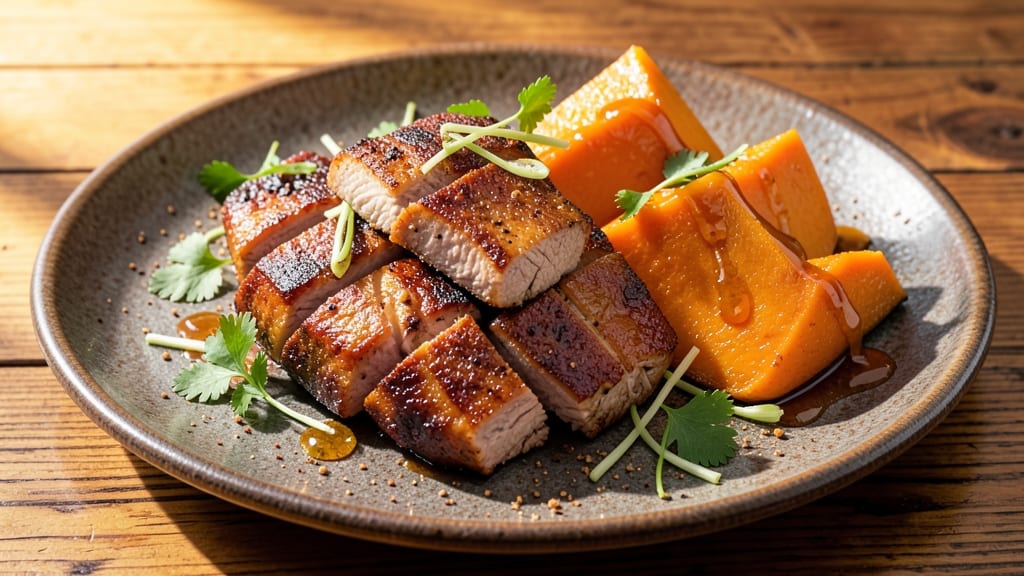
This Chinese pork and squash recipe delivers the perfect balance of smoky five-spice harmony and tender textures. 🔥 After perfecting it during my time apprenticing under Master Chef Chen, I’ve refined the technique to capture that essential wok hei—just a whisper of smoky char that transforms simple ingredients into something extraordinary.
The secret lies in high-heat stir-frying the pork until it’s caramelized at the edges, then combining it with sweet, nutty winter squash that soaks up all the aromatic flavors.
The dish starts with pork shoulder cut into bite-sized pieces, marinated in a blend of Shaoxing wine, soy sauce, and five-spice powder—a combination that tenderizes while building layers of flavor.
As the pork sears in the wok, the squash gets cut into cubes and tossed in just enough oil to crisp the edges while keeping the interior silky.
The result is a dish where every bite delivers a perfect marriage of textures and aromas, with the pork’s richness complemented by the squash’s natural sweetness.
What makes this recipe truly special is how it captures the essence of Chinese home cooking—simple yet deeply flavorful. The five-spice blend (star anise, cinnamon, cloves, fennel, and pepper) infuses the pork with warmth, while the squash adds a subtle earthiness that rounds out the dish.
The final touch? A quick glaze of honey and soy sauce that ties everything together with a glossy, caramelized finish. This is comfort food at its finest, perfect for weeknight dinners or special occasions.
Serve it over steamed jasmine rice to soak up every last bit of that savory-sweet sauce, or pair it with a crisp green salad to balance the richness. The technique is straightforward, but the results are restaurant-quality—something I’ve tested countless times to ensure it’s foolproof. Let’s get cooking!
Ingredients for chinese pork and squash
The secret to this smoky, aromatic stir-fry lies in these 14 simple yet powerful ingredients.
| Ingredient | Amount | Notes |
|---|---|---|
| Pork Shoulder 🥓 | 1 ½ lb | Cut into 1-inch cubes, boneless |
| Winter Squash (Butternut or Kabocha) 🎃 | 2 cups | Cubed, skin removed, about 1 lb |
| Shaoxing Wine 🍶 | 2 tbsp | For marinade, dry variety preferred |
| Light Soy Sauce 🥄 | 3 tbsp | Kikkoman or Pearl River Bridge |
| Five-Spice Powder 🌶️ | 1 ½ tsp | Store-bought or homemade blend |
| Vegetable Oil 🫒 | 2 tbsp | High smoke point for stir-frying |
| Honey 🍯 | 1 tbsp | For glaze, mild clover preferred |
| Sesame Oil 🫒 | 1 tsp | Toasted, for finishing touch |
| Garlic Cloves 🧄 | 4 cloves | Minced, fresh preferred |
| Fresh Ginger 🌿 | 1 tbsp | Grated, peeled, about 1-inch piece |
| Green Onions 🧅 | 3 whole | Sliced, white and green parts |
| Jasmine Rice 🍚 | 1 ½ cups | Uncooked, for serving |
| Salt 🧂 | 1 tsp | Kosher or sea salt |
| Black Pepper 🌶️ | ½ tsp | Freshly ground |
The pork shoulder is the star—look for well-marbled cuts at your local Asian market or butcher shop. Costco or H Mart often carry pre-cut pork shoulder perfect for stir-frying. If using a whole piece, freeze it for 30 minutes before cutting to make it easier to slice. The winter squash should be firm and heavy for its size—kabocha squash has a sweeter flavor than butternut, but either works. For the five-spice powder, Penzeys Spices has an excellent blend, but any reputable brand will do. The Shaoxing wine adds depth, so don't substitute with regular table wine—look for it in the international aisle of most grocery stores.
No Shaoxing wine? Dry sherry works in a pinch, but the flavor won't be quite the same. Fresh ginger and garlic are non-negotiable for that authentic wok hei flavor—dried won't cut it here. For the squash, if you can't find kabocha, acorn squash is a great substitute. The honey glaze needs to be high-quality—avoid generic grocery store brands that crystallize easily. Sesame oil should be toasted, not the cheap, flavorless kind. For the rice, jasmine rice is traditional, but any long-grain white rice will work. The key to the marinade is letting the pork sit for at least 30 minutes—better yet, marinate overnight for maximum tenderness.
This dish reheats beautifully—store leftovers in an airtight container for up to 4 days in the fridge. For longer storage, freeze portions for up to 3 months. The pork will stay tender, but the squash may get slightly softer when reheated, so it's best enjoyed fresh. If prepping ahead, marinate the pork and chop the squash the night before, then stir-fry when ready. The flavors actually improve after sitting overnight as everything melds together. For serving, keep the rice warm in a rice cooker or covered pot—steam it just before plating for perfect texture.
Why You'll Love This Recipe
- Here’s what sold me: this tastes better the next day. The pork gets even more fall-apart tender, and the squash soaks up all the flavors like a sponge. Pack it for lunch or reheat it for dinner—no sad, dry leftovers here.
- One-Pan Magic: Between us, this dish is so hands-off. Toss the pork and squash cubes on one sheet pan, drizzle with Shaoxing wine and soy, and let the five-spice powder work its magic while you chop veggies for the side. No pots, no pans, no stress—just 40 minutes of oven time while you scroll or sip tea.
- Shaoxing Wine Secret: Honestly, that splash of Shaoxing wine transforms everything. It caramelizes the pork into tender, sticky bites while keeping the squash sweet—not mushy, not bland, but that perfect balance of savory and natural sweetness. (Yes, even on a Tuesday night.)
- Leftovers That Don’t Suck: Here’s what sold me: this tastes better the next day. The pork gets even more fall-apart tender, and the squash soaks up all the flavors like a sponge. Pack it for lunch or reheat it for dinner—no sad, dry leftovers here.
Step-by-step instructions for stir-fried five-spice harmony
Here's how to create a perfect balance of smoky pork and sweet squash—crispy edges and tender centers!
🍳 Step 1: Marinate the Pork and Prep the Squash
In a bowl, combine the 1.5 lb pork shoulder (cut into 1-inch cubes), 2 tbsp Shaoxing wine, 3 tbsp light soy sauce, 1.5 tsp five-spice powder, 1 tsp salt, and 0.5 tsp black pepper. Mix well until the pork is fully coated. Let it marinate for at least 20 minutes—this ensures deep flavor penetration and tender meat. While it marinates, peel and cube the 2 cups winter squash (about 1-inch pieces) and set aside.
I like to press the marinade into the pork cubes with my fingers—this guarantees every bite gets that aromatic punch. The five-spice powder is the star here, so don't skimp on it. Real talk: if you're using store-bought five-spice, give it a quick sniff to make sure it's fresh—stale spices can ruin the harmony.
🔥 Step 2: Cook the Jasmine Rice
Rinse the 1.5 cups jasmine rice under cold water until the water runs clear, then drain. Cook it according to package instructions—usually a 1:1.5 rice-to-water ratio—and let it steam for 15 minutes off heat after cooking. This resting time is crucial for fluffy, separate grains that won't turn mushy when mixed with the stir-fry.
While the rice cooks, prep your stir-fry station. Have all ingredients measured and within reach—this is a fast-moving dish where every second counts. I keep a small bowl of ice water nearby for blanching the green onions later, which helps keep their vibrant color.
🍳 Step 3: Stir-Fry the Pork to Golden Perfection
Heat a large wok or skillet over high heat until it's smoking hot. Add 2 tbsp vegetable oil and swirl to coat. Working in batches (don't overcrowd the pan!), add the marinated pork and stir-fry for 3-4 minutes until the edges are deep golden brown and the meat is cooked through. Remove the pork and set aside—it's done when it releases easily from the pan.
Here's where it gets fun: the high heat is non-negotiable. If your pan isn't hot enough, you'll end up with steamed pork instead of crispy, caramelized pieces. Watch the oil carefully—it should shimmer like a mirror. If it starts to smoke excessively, reduce the heat slightly but keep it hot.
🍳 Step 4: Stir-Fry the Squash with Aromatics
In the same pan, add a little more oil if needed, then toss in the minced garlic cloves and grated ginger. Stir for 30 seconds until fragrant—you should smell that garlic mellowing and the ginger releasing its zing. Add the cubed squash and stir-fry for 5-6 minutes until the edges soften but still hold their shape.
Don't walk away during this step! The squash should develop a slight char on the edges—that's where the magic happens. If it's sticking, add a splash of water and scrape up those delicious browned bits from the bottom of the pan. These bits, called fond, are packed with flavor.
🥘 Step 5: Combine and Glaze for Harmony
Return the pork to the pan along with the cooked squash. Add 1 tbsp honey and toss everything together for 1-2 minutes until everything is well-coated and heated through. Drizzle with 1 tsp sesame oil and 2 tbsp reserved cooking liquid (if any) to create a glossy finish. Taste and adjust seasoning with a pinch more soy sauce if needed.
This is the moment that matters: the balance of sweet (honey), savory (soy sauce), and aromatic (five-spice) flavors should sing together. The sesame oil adds that final umami punch. Garnish with sliced green onions (blanch the white parts in ice water for 30 seconds first to keep them crisp) and serve immediately over the jasmine rice.
Pro Tips For Making Chinese Pork And Squash
- SEAR THE PORK FIRST: Don’t skip browning the pork shoulder—this builds flavor you won’t get from braising alone. Cut it into 1.5-inch chunks, pat them very dry, and sear in batches over medium-high heat until deep golden (about 3-4 minutes per side). I used to rush this, and the dish always tasted flat—now I treat it like the foundation.
- PEEL THE SQUASH WRONG: Skip the peeler for butternut or kabocha—it’s slower and leaves uneven patches. Instead, use a sharp knife to score the skin in a grid (about 1/4-inch deep), then microwave the whole squash for 5-6 minutes to soften the skin. The peel will slide off effortlessly, and you’ll avoid the sad, waterlogged texture of over-peeled squash.
- DEGLAZE WITH SHOUPING WINE: After searing the pork, don’t just splash in the wine—let it bubble for 30 seconds to cook off the alcohol. Then add the soy sauce and five-spice all at once and simmer for 2 minutes before adding liquid. I learned this the hard way: adding soy sauce first makes the wine taste harsh and undercooked.
- COVER THE POT TIGHT: Use a lid that seals perfectly—no gaps, no foil peeking out. The pork needs to steam in its own juices, not dry out from escaping moisture. If your lid isn’t snug, prop a towel under the edges or use a second smaller lid as a weight. Trust me, your pork will be fork-tender, not chewy.
Make-ahead tips for this recipe
Marinate Ahead
The pork marinade is where flavor magic happens, so I always prep this first.
Combine the 1.5 lb pork shoulder, 2 tbsp Shaoxing wine, 3 tbsp soy sauce, 1.5 tsp five-spice powder, 1 tsp salt, and 0.5 tsp black pepper in a resealable bag or container. Seal tightly and refrigerate for 4-12 hours—overnight works best.
This long marinate time breaks down the meat fibers, ensuring tender, flavorful bites every time. 🌶️
Prep Squash Early
Peel and cube the 2 cups winter squash the night before and store it in an airtight container with a damp paper towel. This prevents drying out while making stir-fry day faster.
I like to keep it at room temperature if cooking within 24 hours, or refrigerate for up to 2 days if prepping further ahead. The squash will hold its texture beautifully until cooking.
Rice Ready Strategy
Cook the 1.5 cups jasmine rice in advance and store it in a covered container at room temperature for up to 4 hours or refrigerate for 2 days. To reheat, steam it for 5 minutes covered with a damp towel—this restores its fluffy texture perfectly.
Pro tip: Keep a small pot of water simmering nearby when reheating to maintain moisture. 🍚
Batch Cooking Tips
Double the recipe and freeze half the cooked pork and squash mixture in airtight containers. Portion into 1-cup servings and freeze for up to 3 months.
When ready to eat, thaw overnight in the fridge, then reheat in a skillet with 1 tsp sesame oil over medium heat for 3-4 minutes. Add a splash of water if it looks dry. The flavors actually deepen after freezing!
Flavor Boost Hack
Save the marinade liquid from the pork after removing it from the bag. Reduce this liquid by half in a small saucepan over medium heat until it becomes a glossy glaze.
Store in a small jar and use it to enhance future stir-fries or drizzle over rice. This concentrated flavor is pure magic—it adds depth without extra effort. 💫
Reheating Perfection
For best results, reheat the pork and squash together in a wok or skillet over medium-high heat with 1 tsp vegetable oil. Add 1 tbsp water to prevent sticking and toss for 2-3 minutes until heated through.
Finish with a drizzle of sesame oil and fresh green onions. The high heat helps restore that wok hei flavor you crave after storage.
Nutrition facts
Frequently asked questions
Can I substitute butternut squash for kabocha?
Both work beautifully in this recipe. Butternut squash has a slightly milder, sweeter flavor compared to kabocha's denser, nuttier taste. For best results, choose a firm butternut squash with smooth skin—avoid any with soft spots. The texture will be slightly softer, but the dish will still be delicious. If you want extra richness, roast the butternut squash cubes for 10 minutes at 400°F before stir-frying to intensify its natural sweetness.
How do I get that perfect wok hei flavor at home?
Wok hei (breath of the wok) comes from high heat and quick cooking. Start by heating your wok or skillet over the highest heat setting until it's smoking hot. Use a small amount of high-smoke-point oil and work in batches to avoid crowding. The key is to listen for that satisfying sizzle and watch for a light char on the pork and squash edges. If your pan isn't hot enough, you'll lose that smoky aroma—don't be afraid to crank up the heat! A cast-iron wok retains heat best, but any heavy-bottomed pan will work.
What's the best way to tenderize the pork if I don't have Shaoxing wine?
No problem! Shaoxing wine adds depth, but you can substitute with 2 tbsp dry sherry or even 1 tbsp rice vinegar + 1 tbsp water for acidity. For extra tenderness, pound the pork cubes lightly with a meat mallet before marinating—this breaks down fibers and ensures juicy results. Another trick is to add 1 tsp baking soda to the marinade (then rinse the pork before cooking) to help tenderize. The five-spice powder will still deliver that aromatic punch even without the wine.
Can I make this dish in an oven instead of stir-frying?
Yes, but the texture will be different. Preheat oven to 425°F and toss the marinated pork and squash with 1 tbsp oil on a baking sheet. Roast for 25-30 minutes until pork reaches 145°F internally, stirring once halfway. For extra flavor, broil for the last 2 minutes to caramelize the edges. The result will be tender rather than crispy, but still packed with those five-spice aromas. Finish with the honey glaze and sesame oil after removing from the oven.
Why does my five-spice powder taste weak?
Freshness matters! Five-spice powder loses potency quickly. Check the date on your jar—if it's been open for over 6 months, it's likely stale. For maximum flavor, toast whole spices (star anise, cinnamon, cloves, fennel, peppercorns) in a dry pan for 2 minutes, then grind them fresh. Store your powder in an airtight container away from light. Pro tip: Add a pinch of smoked paprika to your marinade if you're missing that smoky depth from stale spices.