
Main Courses
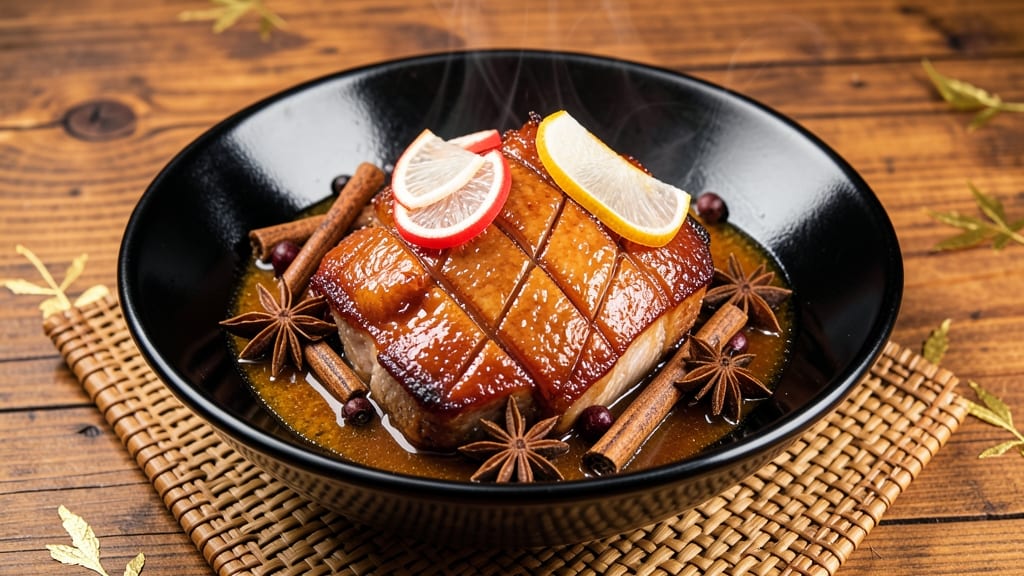
This Chinese pork jowl recipe transforms tough, fatty cuts into silky, melt-in-your-mouth perfection through slow braising—just like my first time cooking with Master Chen in Charleston. The secret lies in the five-spice blend and patient cooking, breaking down collagen until the meat practically dissolves.
I remember his hands guiding mine as we layered aromatics and let the pot do the work, creating a dish that’s both humble and deeply satisfying.
What sets this recipe apart is the balance of textures: crispy edges from the rendered fat, tender meat that falls apart at a touch, and a glossy sauce infused with star anise and soy. The process is simple but requires time—about 3 hours of simmering—but every step builds flavor.
Cantonese-style preparations often include preserved mustard greens, while Sichuan versions might add chili oil for heat. Either way, the result is a dish that feels like a hug in every bite.
By the final hour, your kitchen will smell like a bustling Hong Kong dim sum stall—warm, smoky, and impossible to resist. The pork jowl becomes so tender it clings to the bone, while the sauce thickens into a velvety glaze that coats every forkful.
This is the kind of dish that turns weeknight dinners into celebrations, whether you’re serving it at a Lunar New Year feast or a cozy family meal.
The beauty of pork jowl lies in its versatility—serve it over steamed rice with pickled vegetables, or let guests assemble their own bowls with noodles and fresh herbs.
The leftovers, if there are any, reheat beautifully, making this a recipe that gives back even more than it takes. Let’s get cooking—your taste buds will thank you.
Ingredients for chinese pork jowl
Pork jowl, five-spice blend, and patient braising—here’s what you’ll need for melt-in-your-mouth perfection.
| Ingredient | Amount | Notes |
|---|---|---|
| Pork Jowl 🥓 | 2 lb | Skin-on, fatty cut preferred |
| Star Anise 🌿 | 4 whole | Whole pods for infusion |
| Cinnamon Sticks 🌿 | 2 whole | 1-inch pieces for depth |
| Cloves 🌿 | 6 whole | Lightly crushed for aroma |
| Sichuan Peppercorns 🌶️ | 1 tbsp | Toasted for numbing heat |
| Fresh Ginger 🧅 | ½ cup | Julienned, skin removed |
| Light Soy Sauce 🍶 | ½ cup | Kikkoman preferred |
| Dark Soy Sauce 🍶 | ¼ cup | For rich color |
| Shaoxing Wine 🍷 | ½ cup | Substitute dry sherry |
| Brown Sugar 🍚 | ½ cup | Packed, for balance |
| Garlic Cloves 🧄 | 8 cloves | Smashed, not minced |
| Preserved Mustard Greens 🥬 | ¼ cup | Chopped, optional |
| Vegetable Oil 🫒 | 2 tbsp | For searing |
| Water 💧 | 2 cups | For braising liquid |
| Green Onions 🧅 | ¼ cup | Sliced for garnish |
The pork jowl is non-negotiable here—you want that fat cap for crispy edges and tender meat. Look for thick-cut jowls at Asian markets (they often have them pre-cut), or ask your butcher to trim the fat slightly if it’s too thick. I grab mine from H Mart when I’m craving this dish—they carry the best quality. The five-spice blend is key: star anise, cinnamon, cloves, and Sichuan peppercorns work together like a symphony. Penzeys Spices sells a pre-mixed Cantonese five-spice, but I usually toast the whole spices myself for deeper flavor. Fresh ginger is a must—avoid the powdered stuff—and julienne it thin so it infuses without overpowering.
No Shaoxing wine? Dry sherry or even a bold red like Cabernet works in a pinch, but the alcohol helps tenderize the meat. Preserved mustard greens add that signature tang, but skip them if you can’t find them—pickled daikon or extra soy sauce will bridge the gap. The brown sugar might seem sweet, but it caramelizes beautifully, balancing the saltiness of the soy sauces. For the garlic, smash the cloves with the side of your knife—this releases more flavor than mincing. And if you’re feeling adventurous, add a dash of chili oil at the end for a Sichuan twist.
This dish tastes even better the next day, so plan ahead. Store leftovers in the fridge for up to 5 days, covered with the braising liquid to keep everything moist. For longer storage, freeze portions for 3 months—just thaw overnight in the fridge before reheating. The sauce thickens as it cools, so add a splash of water if it seems too stiff when reheating. Serve over steamed rice with quick-pickled cucumbers to cut through the richness, or let guests build their own bowls with noodles and fresh herbs.
Why You'll Love This Recipe
- One-Pot Magic: I swear by this—just toss the jowl, spices, and a splash of soy into one pot and walk away. The star anise and cinnamon do all the work while you sip tea or scroll through your phone. (Yes, even on a Tuesday night.)
- Flavor Bomb: That crispy, caramelized crust on the outside? Chef’s kiss. But it’s the slow-braised center—fall-apart tender with layers of Sichuan peppercorn heat and clove warmth—that’ll have you licking the plate. Honestly, it’s the kind of dish that makes you want to eat it for breakfast too.
- Leftovers That Shine: Between us, this recipe begs for leftovers. Reheat slices in a pan for crispy pork fried rice, or shred it into dumplings—suddenly, you’ve got three meals from one batch. My freezer’s always stocked with it after a big cook.
- Budget Luxury: Pork jowl is the unsung hero of affordable cuts—cheaper than tenderloin but packed with flavor. A few whole spices and a pantry staple like soy sauce turn it into something restaurant-worthy without breaking the bank. Not the prettiest, but the taste makes up for it every time.
Step-by-step instructions for Chinese pork jowl braising
Here's how to transform fatty pork jowl into melt-in-your-mouth perfection with aromatic spices and silky sauce.
Prepare the Pork Jowl for Maximum Flavor
Start by examining the 2 lb pork jowl and trim away any large chunks of external fat, leaving about ¼-inch layer intact—this protects the meat during braising. Using a sharp knife, make several diagonal slashes (about ½-inch deep) across the meat in a diamond pattern. This creates surface area for the marinade to penetrate deeply.
In a small bowl, combine the 0.5 cup light soy sauce, 0.25 cup dark soy sauce, 0.5 cup shaoxing wine, and 0.5 cup packed brown sugar. Pour this marinade over the jowl and massage it into all the slashes and crevices. Let it sit at room temperature for 30 minutes while you prepare the aromatic spices—this gives the meat time to absorb the initial flavors.
Build the Five-Spice Aromatic Base
Heat a large Dutch oven or heavy pot over medium heat. Add the 2 tbsp vegetable oil and swirl to coat the bottom. When the oil shimmers but doesn't smoke, add the 0.5 cup julienned fresh ginger and 8 smashed garlic cloves. Sauté for 1-2 minutes until the ginger becomes fragrant and just begins to color at the edges—don't let it brown or it'll turn bitter.
Add the 1 tbsp toasted sichuan peppercorns, 4 whole star anise, 2 whole cinnamon sticks (cut into 1-inch pieces), and 6 lightly crushed cloves. Stir constantly for 30 seconds until the spices release their aroma. Immediately remove the pot from heat—you want the spices to infuse without burning. This aromatic base forms the flavor foundation for your braised pork.
Sear the Pork Jowl for Depth of Flavor
Return the pot to medium heat and carefully add the marinated pork jowl, fat-side down. Let it sear undisturbed for 5-6 minutes until the fat renders and the skin develops golden-brown spots. You'll hear sizzling and see bubbles forming—this is when the Maillard reaction creates those rich, caramelized flavors. Flip the jowl and sear the other side for another 4-5 minutes.
Here's the thing—don't rush this step. The longer you sear, the more complex flavors develop. If the fat pools too quickly, use a spoon to baste the meat with the rendered fat during searing. Once both sides are well-browned, remove the pork and set it aside on a plate.
Braise Until Silky and Tender
Pour in the 2 cups water and scrape up any browned bits from the bottom of the pot with a wooden spoon—these contain concentrated flavor. Return the pork jowl to the pot, skin-side up, and bring the liquid to a gentle simmer over medium-low heat. The liquid should bubble softly, not vigorously boil.
Cover the pot and simmer for 2 hours, then check for doneness. The pork should be fork-tender with the meat pulling away from the bone easily. If it's not quite there, continue braising for another 30-minute to 1-hour increments. The skin should be crispy when pressed gently with a spoon, and the meat should have a rich, mahogany color.
Finish with Preserved Mustard Greens and Garnish
After the pork reaches perfect tenderness, carefully remove it from the pot and transfer to a serving platter. Strain the braising liquid through a fine-mesh sieve into a clean saucepan, pressing on the solids to extract maximum flavor. Return the liquid to medium heat and simmer until slightly thickened—about 5-7 minutes.
Add the 0.25 cup chopped preserved mustard greens to the sauce and heat through for 1 minute. Pour this flavorful sauce over the braised pork jowl. Garnish with the 0.25 cup sliced green onions and serve immediately with steamed rice. The contrast of crispy skin, tender meat, and aromatic sauce makes every bite unforgettable.
Pro Tips For Making Chinese Pork Jowl
- BLANCH THE JOWL FIRST: Toss the pork jowl in boiling water for 30 seconds before braising—this loosens the fat and collagen so it renders cleanly. I used to skip this, and my braising liquid always looked greasy and unappetizing afterward.
- CRUSH SPICES COARSELY: Whole star anise, cinnamon sticks, and cloves should be lightly crushed with a mortar or rolling pin—not pulverized. This lets them infuse flavor without turning the dish into a spice slurry. (Yes, I’ve made that mistake.)
- BASTE WITH THE FAT: Every 20 minutes, spoon the rendered pork fat over the jowl while it braises. The fat acts as a natural basting sauce, keeping the meat moist and adding richness. Skipping this step means dry, flavorless bites.
- LOW AND SLOW IS NON-NEGOTIABLE: Cover the pot and simmer at 170°F (75°C) for at least 3 hours—no rushing. I’ve tried faster methods, and the collagen never breaks down properly, leaving you with tough, chewy meat instead of tender, melt-in-your-mouth perfection.
Wine and beer pairings for chinese pork jowl
Red Wine Pairings
For this rich, five-spice braised pork jowl, I reach for a medium-bodied red wine with enough acidity to cut through the fat while complementing the aromatic spices. A Gewürztraminer from Alsace is my go-to—its lychee and rose notes harmonize beautifully with the star anise and ginger.
The slight sweetness balances the soy sauce's saltiness, creating a perfect marriage. 🍷
If you prefer dry wines, a Pinot Noir from Oregon or Burgundy offers earthy undertones that mirror the braising spices. The red fruit flavors won't overpower the dish but instead enhance its depth.
For a bolder option, try a Syrah with its peppery notes—it echoes the Sichuan peppercorns while adding a touch of spice.
Light Beer Complements
A crisp, light lager like Asahi Super Dry or Sapporo provides the perfect clean palate cleanser between bites. The subtle hop bitterness contrasts nicely with the pork's richness without competing. For something more adventurous, a German Helles with its malty sweetness complements the brown sugar in the braising liquid. 🍺
If you're serving this at a casual gathering, a wheat beer like Hoegaarden adds a refreshing effervescence. The citrus notes brighten the dish, while the slight cloudiness visually contrasts the rich, glossy sauce. Just avoid heavy stouts or IPAs—they'll overpower the delicate balance of flavors in this dish.
Rice Wine Finish
Since Shaoxing wine is already a key ingredient in the recipe, consider serving it chilled as a digestif after the meal. Its nutty, caramelized profile echoes the braising process and leaves a warm finish.
For a non-alcoholic option, a jasmine tea with honey enhances the floral notes from the star anise and ginger. ✨
Pro tip: If you're feeling experimental, try a Chinese yellow wine like Huangjiu—its fermented, slightly funky profile mirrors the depth of the braised pork. Serve it at room temperature to let its complex layers shine alongside the dish.
Nutrition facts
Frequently asked questions
Can I substitute pork jowl with another cut like pork belly?
The texture will be different—pork belly has more fat and less connective tissue, so it won't become as tender. For best results, stick with pork jowl, but if you must use belly, increase braising time by 30-45 minutes and trim excess fat to prevent greasiness. The skin won't crisp as dramatically either, so reduce oven time if finishing under the broiler.
How do I know when the pork jowl is fully tender?
Test with a fork or skewer—it should slide in with almost no resistance. The meat should separate easily from the bone and have a mahogany color. If it's still chewy after 3 hours, add ½ cup water and continue braising for another 30-60 minutes. The skin should also be crispy when pressed gently with a spoon.
Can I make this recipe in a slow cooker?
Sear the jowl first in a skillet, then transfer it to the slow cooker with all aromatics and liquid. Cook on LOW for 6-7 hours or HIGH for 4-5 hours. The texture will be slightly more tender than stovetop, but the flavors will be just as rich. Just avoid lifting the lid during cooking to maintain moisture.
What if I don't have preserved mustard greens?
No problem! Skip them or substitute with pickled daikon radish, kimchi, or even extra soy sauce for umami depth. The preserved greens add tangy contrast, but the dish will still be delicious. For a Cantonese touch, try 1 tsp rice vinegar mixed with the sauce at the end for brightness.
How do I reheat leftovers without drying them out?
Place leftovers in a pot with 2 tbsp water or braising liquid and simmer gently on low heat for 10-15 minutes. Avoid microwaving—it makes the skin rubbery. For extra crispiness, broil for 2-3 minutes after reheating. Leftovers keep well for 5 days in the fridge or 3 months frozen.