
Main Courses
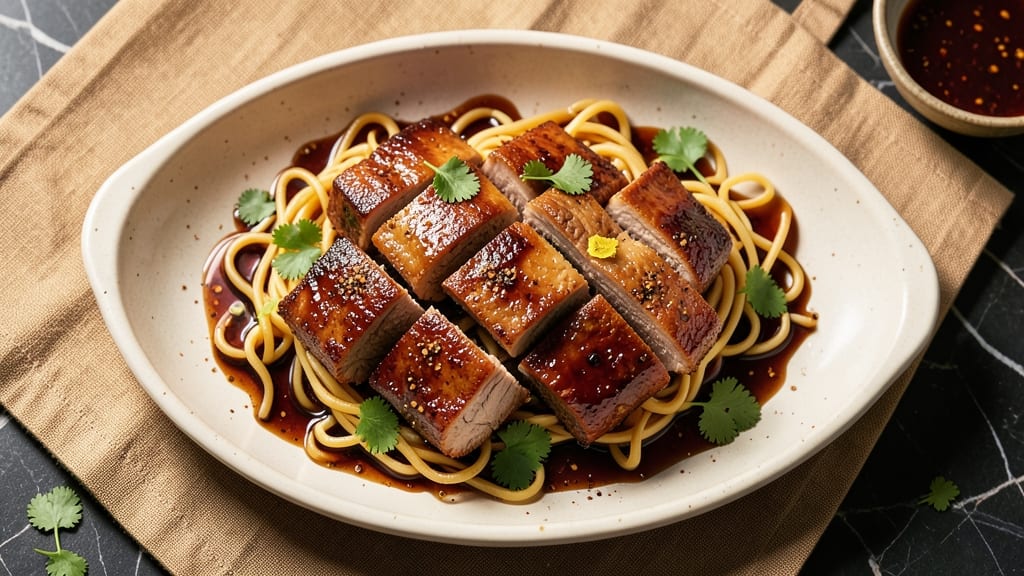
This Chinese pork casserole recipe brings the comforting flavors of home-style braising to your table with tender pork, aromatic five-spice, and chewy egg noodles. After perfecting it during my time in Charleston—where pork takes center stage—I’ve simplified the technique for home cooks while keeping the soul of the dish intact.
The secret lies in slow-braising the pork until it’s melt-in-your-mouth tender, then combining it with noodles in a rich, savory sauce that’s impossible to resist.
The beauty of this recipe is its balance of tradition and approachability. You don’t need advanced skills—just a few key steps: marinating the pork in five-spice and soy, browning it for depth, then simmering until the meat falls apart.
The egg noodles absorb the flavorful broth, creating a hearty, satisfying meal that’s perfect for family dinners or special occasions. Every bite delivers layers of smoky, sweet, and umami notes that transport you to a bustling Chinese kitchen.
What makes this dish truly special is how the five-spice blend—star anise, cloves, cinnamon, fennel, and pepper—infuses the pork with warmth and complexity. The slow cooking process develops deep, caramelized flavors, while the noodles add a comforting texture that ties everything together.
This isn’t just a recipe; it’s a taste of home, where every ingredient plays a part in creating something greater than the sum of its parts.
Serve it with steamed bok choy or a simple cucumber salad to balance the richness, and you’ve got a complete meal that’s as impressive as it is delicious.
Whether you’re cooking for a crowd or treating yourself to a comforting weeknight dinner, this pork casserole delivers restaurant-quality results with minimal effort. Let’s get started—your taste buds will thank you.
Ingredients for chinese pork casserole
Pork shoulder, five-spice magic, and chewy noodles—this recipe turns pantry staples into restaurant-worthy comfort.
| Ingredient | Amount | Notes |
|---|---|---|
| Pork Shoulder 🥩 | 2 lb | Bone-in for flavor, cut into 2-inch cubes |
| Egg Noodles 🍜 | 12 oz | Fresh or dried, chewy variety preferred |
| Five-Spice Powder 🌶️ | 2 tbsp | Authentic blend with star anise, cloves, cinnamon |
| Light Soy Sauce 🍶 | ½ cup | Kikkoman preferred for balance |
| Dark Soy Sauce 🍶 | 1 tbsp | For color depth, not salty taste |
| Shaoxing Wine 🍷 | ¼ cup | Substitute with dry sherry if unavailable |
| Brown Sugar 🍯 | ¼ cup | Packed, for caramelized sweetness |
| Garlic Cloves 🧄 | 6 cloves | Minced, for aromatic base |
| Fresh Ginger 🌿 | 1 tbsp | Grated, for zesty brightness |
| Green Onions 🧅 | ¼ cup | Sliced, for fresh finish |
| Sesame Oil 🫒 | 1 tbsp | Toasted, for nutty aroma |
| Vegetable Oil 🫒 | 2 tbsp | High smoke point for searing |
| Water 💧 | 1 ½ cups | For braising liquid |
| Salt 🧂 | 1 tsp | Kosher, adjust to taste |
| Black Pepper 🌶️ | ½ tsp | Freshly cracked for heat |
The pork shoulder is your flavor anchor—look for marbled cuts with visible fat for juiciness. Butcher shops often have better quality than grocery stores, but the pre-cut pork shoulder at Whole Foods or Trader Joe's works perfectly. Cut it into even 2-inch cubes for consistent cooking. Five-spice powder is non-negotiable here; Penzeys Spices or Hainan brand deliver authentic warmth. If you can't find Shaoxing wine, dry sherry is the closest substitute—just avoid sweet varieties. The brown sugar needs to be packed for accurate measurement, and I always toast my sesame oil in a dry pan for 30 seconds to deepen its flavor.
No five-spice powder? Mix 1 tsp each of cinnamon, star anise, cloves, and fennel seeds—it’s not identical, but it’ll get you close. Short on Shaoxing wine? Substitute with equal parts soy sauce and water, though the depth will suffer slightly. Fresh ginger is ideal, but substitute with 1 tsp ground ginger if needed. The green onions can be swapped for scallions or chives if that’s what you have. For the noodles, fresh egg noodles absorb flavor best, but dried works in a pinch—just cook them separately to avoid turning mushy. The sesame oil should be toasted for that nutty aroma, but if you forget, a splash at the end still adds character.
This dish tastes even better the next day as flavors meld—plan ahead. Store leftovers in an airtight container for up to 4 days in the fridge. For longer storage, freeze portions for 3 months, though the texture changes slightly. Reheat gently with a splash of water to restore moisture. I always double the recipe because it’s impossible to resist seconds. Serve with steamed bok choy or cucumber salad to balance the richness, just like in Charleston’s best home-style kitchens.
Why You'll Love This Recipe
- One-Pan Magic: I swear by this for lazy nights—just toss pork shoulder, noodles, and a splash of soy into one pan, cover it, and walk away. The five-spice powder does all the heavy lifting while you sip tea.
- Umami Bomb: That combo of light and dark soy sauce? Chef’s kiss. The dark soy gives it that glossy, caramelized depth, while the light keeps it bright and savory—no fancy ingredients, just pure flavor payoff.
- Lunchbox Hero: Between us, this is my secret weapon for meal prep. Reheat slices of pork with steamed rice or toss cold noodles into a bento—tastes fresh even after three days. (Yes, even on a Tuesday night.)
- Budget Feast: Pork shoulder stretches for days, and five-spice powder lasts forever. For under $10, you feed four people a dish that feels fancy but costs next to nothing. My wallet thanks me weekly.
Step-by-step instructions for five-spice braised pork and egg noodles
Here's how to create a rich, aromatic dish where tender pork melts in your mouth alongside chewy noodles.
Prepare the Pork Shoulder for Braising
Cut the 2 lb pork shoulder into 2-inch cubes, leaving some fat attached to help flavor the braise. In a large bowl, combine the pork with 2 tbsp five-spice powder, 1 tsp salt, and 0.5 tsp black pepper. Massage the mixture into the meat so every surface gets coated—this ensures deep, consistent flavor penetration.
Let the seasoned pork sit at room temperature for 15 minutes while you prepare the aromatics. This brief rest helps the meat cook more evenly and prevents tough spots. I like to arrange the cubes in a single layer so they don't steam in their own juices before hitting the hot pan.
Sear the Pork for Maximum Flavor
Heat 2 tbsp vegetable oil in a 5-quart Dutch oven over medium-high heat until shimmering. Working in batches (don't overcrowd the pan), sear the pork cubes for 2-3 minutes per side until deep golden brown and crisp in spots. The fat should sizzle vigorously—this is your signal that the Maillard reaction is creating those rich, caramelized flavors.
As each batch sears, transfer the pork to a plate. You'll want to work quickly but carefully—overcrowding causes steaming instead of searing. Once all the pork is browned, reduce the heat to medium and return all the pieces to the pot. Here's the thing—those beautiful browned bits stuck to the bottom are pure flavor, so we'll scrape them up in the next step.
Build the Aromatic Braising Liquid
Add 6 cloves minced garlic and 1 tbsp grated fresh ginger to the Dutch oven, stirring for 30 seconds until fragrant. Pour in 0.25 cup Shaoxing wine and scrape up all those browned bits with a wooden spoon—this deglazing step captures all that concentrated flavor. Let the wine simmer for 2 minutes until it reduces by half, intensifying its flavor.
Next, add 0.5 cup light soy sauce, 1 tbsp dark soy sauce, 0.25 cup brown sugar, and 1.5 cups water. Stir well to combine, then bring the mixture to a gentle simmer. The sugar will begin to caramelize, deepening the sauce's color and adding natural sweetness that balances the savory pork. This is where the magic happens—the flavors meld into a harmonious braising liquid.
Braise Until Fork-Tender
Cover the Dutch oven and transfer it to a 350°F oven. Braise the pork for 2 to 2.5 hours, turning the pork cubes occasionally to ensure even cooking. You're looking for fork-tender meat that pulls apart easily—this usually happens around the 2-hour mark, but timing depends on your oven's consistency.
About 30 minutes before the pork is done, prepare the 12 oz egg noodles according to package instructions, but undercook by 1 minute—they'll finish cooking in the final sauce. Drain and set aside. The noodles should be al dente with a slight bite, ready to soak up all that delicious braising liquid.
Finish and Serve
Remove the pork from the braising liquid and transfer it to a plate. Strain the sauce through a fine-mesh sieve into a clean saucepan, pressing on the solids to extract maximum flavor. Return the sauce to medium heat and simmer until slightly thickened—about 5 minutes. Stir in 1 tbsp toasted sesame oil for nutty depth.
Toss the cooked noodles with the pork in the Dutch oven, then ladle the reduced sauce over everything. Garnish with 0.25 cup sliced green onions for fresh contrast. Serve immediately while the pork is still steaming—this dish tastes best straight from the pot, with the pork falling apart at the first bite and the noodles perfectly coated in that glossy, five-spice-infused sauce. The aroma alone will have everyone gathering around the table.
Pro Tips For Making Chinese Pork Casserole
- Par-Cook the Pork: I learned this the hard way—don’t skip par-cooking the pork shoulder first. Simmer it in water with a splash of light soy sauce for 15 minutes until it’s just firm but still tender. This keeps it from drying out later when you braise it, and the meat stays juicy even after hours of baking.
- Toast the Five-Spice: Sounds weird, but it works: dry-toast the five-spice powder in a pan for 30 seconds before mixing it into the pork. This wakes up the spices, making the aroma way more intense. Just don’t burn it—keep it moving and pull it out when it smells like a spice market.
- Layer Noodles Last: Resist the urge to toss the noodles in early. Instead, spread them in a single layer on top of the pork just before baking. They’ll soak up the juices perfectly without turning mushy, and you’ll avoid a soggy bottom. (Yes, even if you’re impatient like me.)
- Use Dark Soy for Color: Skip the dark soy sauce in the marinade—save it for the final 10 minutes of baking. Brush it over the pork and noodles at the end to get that glossy, caramelized crust. It’s the thing that makes this dish look restaurant-worthy without extra effort.
Best sauces and condiments for this chinese pork casserole
Five-Spice Sauce Base
The foundation of this dish is the five-spice braising sauce, where 2 tbsp five-spice powder (star anise, cloves, cinnamon, fennel, and pepper) infuses the pork with aromatic warmth.
I always toast my spices lightly in a dry pan for 30 seconds before adding them to the pork—this deepens their flavor profile.
The sauce builds on a soy-sweet balance: 0.5 cup light soy sauce for umami, 1 tbsp dark soy sauce for color, and 0.25 cup brown sugar for caramelized depth. 🌶️
Shaoxing Wine Reduction
The 0.25 cup Shaoxing wine is non-negotiable for authenticity—it adds a subtle floral note that elevates the dish. If you can't find it, dry sherry works, but avoid sweet varieties. After searing the pork, I deglaze the pan with the wine, letting it reduce by half to concentrate its flavor.
This step transforms the simple braising liquid into something complex and layered. Pro tip: Use a wooden spoon to scrape up all those browned bits—they’re packed with flavor. 🍷
Sesame Oil Finish
The final touch is 1 tbsp toasted sesame oil, which adds a nutty aroma that cuts through the richness. I heat it separately to avoid overpowering the dish, then stir it into the reduced sauce just before serving.
For extra depth, I sometimes add a splash of chinkiang vinegar (a Chinese black vinegar) at the end—it adds a tangy brightness that balances the sweetness. Trust me, this small addition makes a huge difference. 🫒
Sweet-Savory Balance
The brown sugar in this recipe isn’t just for sweetness—it caramelizes during braising, creating a glossy, slightly sticky sauce that clings to the noodles. I recommend using packed brown sugar for accurate measurement, and never skip the simmering step.
The sugar’s caramelization is what gives the dish its signature depth. For a quicker version, you could substitute with honey, but the texture won’t be as rich. 🍯
Umami Boosters
To intensify the umami, I often add 1 tbsp hoisin sauce or 1 tsp fish sauce to the braising liquid. Both add a savory depth that complements the pork perfectly.
If you’re feeling adventurous, a pinch of white pepper at the end adds a subtle heat without overpowering the five-spice blend. These small tweaks take the dish from good to unforgettable. 💡
Nutrition facts
Frequently asked questions
Can I use pork tenderloin instead of pork shoulder?
Pork tenderloin works but requires adjustments. Since it's leaner, cook it for only 1.5 hours and add 1 tbsp extra oil to the braising liquid to prevent drying. For best results, cut it into 1-inch cubes instead of 2-inch pieces. The texture will be more delicate but equally flavorful!
What if I don't have five-spice powder?
Mix your own blend with 1 tsp each of cinnamon, star anise, cloves, and fennel seeds (toasted for 30 seconds first). For a quicker option, use 1 tsp ground coriander + 0.5 tsp ginger powder—it won't be identical but adds warmth. The dish will still taste amazing with these substitutes!
How can I make this dish gluten-free?
Replace both soy sauces with 0.5 cup gluten-free tamari and 1 tbsp coconut aminos. Use gluten-free egg noodles (like brown rice or chickpea-based) and verify all other ingredients (like five-spice powder) are certified gluten-free. The flavor remains rich and satisfying!
Can I prepare this ahead of time?
Braise the pork completely, then refrigerate the sauce and meat separately for up to 4 days. Reheat gently with a splash of water to restore moisture. For best texture, combine with noodles just before serving. The flavors actually improve overnight!
What's the best way to reheat leftovers?
Place the pork and sauce in a skillet over low heat with 2 tbsp water. Cover and warm for 5-7 minutes, stirring occasionally. Add noodles separately and toss with a splash of sauce at the end. Never microwave—it makes the pork tough!