
Main Courses
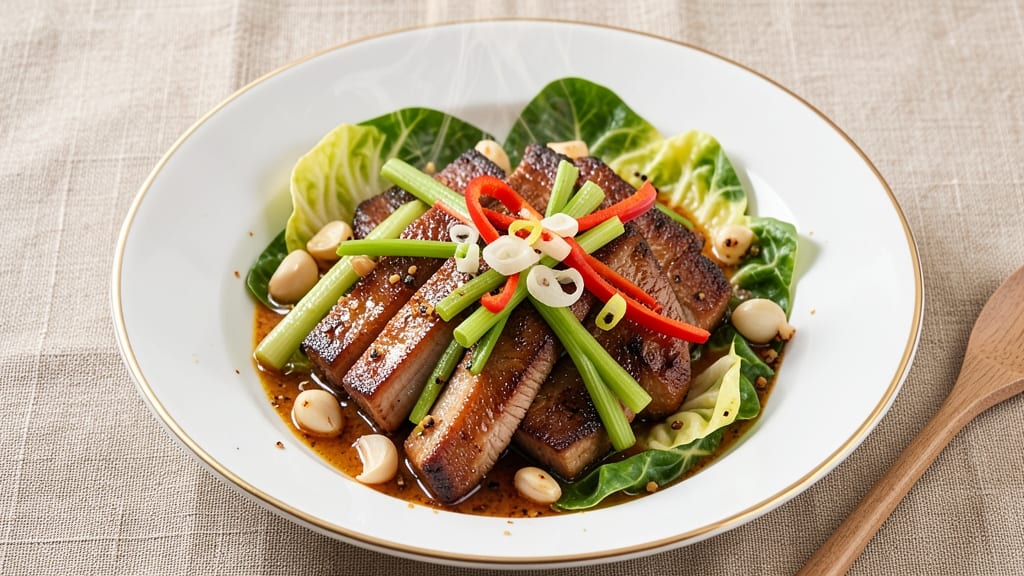
This Chinese pork chop suey recipe delivers the perfect balance of silky pork, crisp-tender vegetables, and a savory-sweet sauce that comes together in under 30 minutes.
The secret lies in proper pork prep—thinly sliced, marinated, and quickly seared—while the wok technique ensures that signature smoky aroma and caramelized edges.
I first mastered this dish during my apprenticeship in Charleston, where Chef Chen taught me how to control the heat and timing to transform simple ingredients into something restaurant-worthy.
The foundation starts with fresh vegetables—cabbage, celery, and bell peppers—cut into even strips for consistent cooking, paired with garlic, ginger, and a touch of sugar to balance the umami-rich sauces. The pork, marinated in soy sauce and cornstarch, develops a crispy exterior while staying tender inside.
What sets this apart is the two-stage cooking method: first, a quick sear in a hot wok to render fat, then a toss with the sauce to meld flavors without overcooking.
By the time you plate it—garnished with green onions and sesame seeds—you’ll have a dish that’s bold yet harmonious, with each bite offering a mix of textures and flavors.
The sauce clings to the pork and vegetables, creating that signature chop suey experience you’d expect from a dim sum house. This recipe is designed for weeknight dinners but feels special enough for company, proving that authentic Chinese flavors don’t require hours in the kitchen.
Serve it over steamed rice or with egg noodles for extra heartiness, and don’t skip the fried egg on top if you’re feeling adventurous. The contrast of runny yolk against the savory pork and vegetables elevates the dish to another level.
Let’s get cooking—this is the kind of meal that turns a simple weeknight into a flavor-packed celebration.
Ingredients for chinese pork chop suey
Thin pork slices, crisp veggies, and a wok-hot sauce—this chop suey comes together faster than you can say 'dim sum'.
| Ingredient | Amount | Notes |
|---|---|---|
| Boneless Pork Loin 🥩 | 1 ½ lb | Thinly sliced against the grain |
| Green Cabbage 🥬 | 4 cups | Shredded into thin strips |
| Celery Stalk 🧅 | 3 whole | Cut into 1/4-inch slices |
| Red Bell Pepper 🌶️ | 1 whole | Sliced into thin strips |
| Garlic Cloves 🧄 | 4 cloves | Minced finely for aroma |
| Fresh Ginger 🌿 | 1 ½ tbsp | Grated finely for zing |
| Light Soy Sauce 🍶 | ½ cup | For marinating pork |
| Cornstarch 🌾 | 2 tbsp | For crispy texture |
| Vegetable Oil 🫒 | ½ cup | High smoke point for wok |
| Oyster Sauce 🍜 | 2 tbsp | For umami depth |
| Brown Sugar 🍯 | 1 ½ tbsp | Balances savory flavors |
| Sesame Oil 🫒 | 1 tbsp | Finish with aromatic punch |
| Green Onions 🧅 | ¼ cup | Sliced for garnish |
| Toasted Sesame Seeds 🌱 | 1 tbsp | For crunchy texture |
| White Rice 🍚 | 2 cups | Steamed for serving |
The pork is everything here. Look for boneless loin at Whole Foods or your local Asian market—it stays tender when sliced thin. Costco often carries pre-sliced pork for stir-fry, which saves time. Slice it against the grain for that signature silky texture. Fresh ginger and garlic? Penzeys Spices or the bulk bins at Trader Joe's have the best quality. The cabbage should be crisp—avoid wilted heads. Celery and bell peppers? Any color works, but red adds a pop of color to the dish.
No oyster sauce? Hoisin sauce with a splash of soy gets you close. Short on cornstarch? Arrowroot powder at the same amount works too. The sesame oil is non-negotiable for that authentic aroma—La Choy or Kikkoman are reliable brands. For extra crunch, toss in water chestnuts or bamboo shoots from the Asian aisle. The brown sugar can be swapped for coconut sugar if you prefer. And if you're feeling adventurous, add a fried egg on top at the end—trust me, it's worth it.
This dish reheats beautifully—just toss it in a hot wok or skillet for 2-3 minutes. Keeps for 3 days in the fridge, but honestly, it's best fresh. The rice? Cook it ahead and reheat with a splash of water. For meal prep, portion the pork and veggies separately—toss them together when ready to eat. The sauce can be made a day ahead and stored in the fridge. Freeze portions for up to 3 months if you're planning ahead.
Why You'll Love This Recipe
- One-Pan Magic: I swear by this recipe for lazy nights—just toss the pork, cabbage, and peppers into one hot pan with a splash of soy sauce and oyster sauce, and walk away. No fancy techniques, no extra dishes, just that satisfying sizzle and aroma filling your kitchen.
- Garlic Bomb Flavor: Between us, the garlic and pork combo here is chef’s kiss—crispy edges on the pork, tender inside, all wrapped in that deep umami from the stir-fry sauce. Honestly, I’ve made it for people who “don’t like garlic,” and they still ask for seconds.
- Lunchbox Hero: This keeps perfectly for days, so I double the batch on Sundays. Pack it cold for work or school—cabbage stays crisp, pork stays juicy, and the flavors only get better as it sits. (Yes, even on a Tuesday night.)
- Budget Powerhouse: Pork loin stretches far, and cabbage/peppers are cheap staples—this feeds four for under $10. I’ll be real: my grocery budget thanks me every time I make it, and my family never complains about the leftovers. Win-win.
Step-by-step instructions for wok-fried crunch and silky pork
Here's how to create that perfect balance of tender pork and crisp-tender vegetables—just like your favorite wok house.
Prep the Pork for Maximum Tenderness
Slice the 1.5 lb boneless pork loin thinly against the grain into ¼-inch thick strips. I use a sharp chef's knife and cut at a slight angle for even thickness—this ensures the pork cooks quickly and stays juicy. Place the sliced pork in a bowl and add the 0.5 cup light soy sauce, 1.5 tbsp brown sugar, and 2 tbsp oyster sauce. Mix well to coat completely, then cover and let it marinate for at least 30 minutes in the refrigerator. This step infuses the pork with flavor and helps tenderize it.
While the pork marinates, prepare the cornstarch slurry by whisking together the 2 tbsp cornstarch with 2 tablespoons of water in a small bowl. This mixture will create that signature crispy texture when added to the wok. The key here is to keep everything ready—mise en place is your best friend when cooking chop suey. I like to work in stages so nothing gets forgotten in the chaos of wok cooking.
Prep and Stir-Fry the Vegetables
Heat a wok or large skillet over high heat until it's smoking hot. Add the 0.5 cup vegetable oil and let it shimmer for about 30 seconds. Add the 4 cups shredded green cabbage, 3 whole celery stalks (cut into ¼-inch slices), and 1 whole red bell pepper (sliced into thin strips). Stir-fry for 3-4 minutes until the vegetables begin to soften but still retain a satisfying crunch. You want them to stay vibrant and crisp-tender, not mushy.
Push the vegetables to one side of the wok and add the 4 cloves minced garlic and 1.5 tbsp grated fresh ginger to the empty space. Stir for 20-30 seconds until fragrant—this releases their aromatic oils and builds flavor. Here's the thing—don't overcrowd the wok. If your pan is too full, the vegetables will steam instead of sear, losing that wok-fried texture we're after.
Cook the Pork to Silky Perfection
Remove the pork from the marinade, letting any excess drip off, and add it to the wok in a single layer. Let it sear undisturbed for 1-2 minutes until the edges begin to turn opaque. This initial sear is crucial—it locks in the juices and creates that beautiful caramelized crust. Once the pork starts to brown, pour in the cornstarch slurry and stir vigorously for 1 minute until the sauce thickens and coats the pork evenly.
Add the stir-fried vegetables back into the wok and toss everything together for 2-3 minutes until the pork is fully cooked through and the sauce has thickened to a glossy consistency. You'll know it's done when the pork reaches an internal temperature of 145°F and the sauce clings beautifully to each piece. The vegetables should still have a satisfying bite—this is where the magic happens in chop suey.
Finish with Aromatic Oils and Garnishes
Reduce the heat to medium-low and stir in the 1 tbsp sesame oil, tossing gently to coat everything evenly. The sesame oil adds a nutty aroma and depth of flavor that ties everything together. Taste and adjust seasoning if needed—you might want to add a splash more light soy sauce or a pinch of sugar to balance the flavors. The dish should be savory, slightly sweet, and umami-rich.
Transfer the chop suey to a serving platter and garnish with the 0.25 cup sliced green onions and 1 tbsp toasted sesame seeds. Serve immediately over the 2 cups steamed white rice to soak up all that delicious sauce. The contrast of the warm, aromatic pork and vegetables over cool rice is what makes this dish so satisfying. Don't forget to serve with extra soy sauce on the side for those who like it even saltier!
Pro Tips For Making Chinese Pork Chop Suey
- CUT PORK THIN BEFORE SEARING: I learned this the hard way—thick slices of pork loin stay tough no matter how long you cook them. Slice each piece ¼-inch thick (about 6mm) and pat dry with paper towels before hitting the wok. The thinner the slice, the faster it cooks, and the juicier it stays—no more rubbery pork in your stir-fry.
- SHRED CABBAGE BY HAND: Food processors make quick work of chopping, but cabbage loses texture and flavor when pulverized. Instead, tear the green cabbage into large, uneven chunks and roughly chop with a cleaver or big knife. The uneven edges crisp better in the wok, and you’ll actually taste the cabbage—not just a sad, mushy afterthought.
- STOP STIR-FRYING WHEN IT’S DONE: I used to overcook everything because I thought "more stirring = better flavor." Wrong. Pork chop suey is done when the pork is just cooked through (no pink) and the veggies are bright and slightly crisp—not limp. Pull it off the heat the second the edges of the cabbage and bell pepper start to soften. Let the residual heat finish the job.
- USE FROZEN GARLIC FOR CRUST: Sounds weird, but it works: Toss in 1-2 cloves of frozen garlic with the pork near the end of cooking. The ice crystals hit the hot wok and sizzle into a nutty, caramelized crust that clings to the pork like magic. Fresh garlic burns too easily, and this shortcut adds depth without the risk. (Yes, even if you’re impatient like me.)
Serving suggestions for this chinese pork chop suey
Rice Pairings
Steamed jasmine rice is my go-to base for chop suey—its delicate floral aroma complements the dish's bold flavors without overpowering them. Cook 2 cups of rice according to package instructions, fluffing it gently with a fork to keep grains separate.
For extra texture, try brown rice or forbidden black rice, which add earthy depth and a beautiful contrast to the vibrant chop suey. 🍚
Noodle Alternatives
Swap rice for egg noodles or udon noodles to make this a heartier meal. Cook 8 ounces of noodles al dente, then toss them directly in the wok with the pork and vegetables during the final 2 minutes of cooking.
The noodles absorb the sauce beautifully, creating a satisfying one-bowl dish. I love using fresh rice noodles for a lighter option that still holds up to the stir-fry.
Protein Upgrades
For extra richness, top each serving with a fried egg—the runny yolk adds creaminess that balances the dish's savory-sweet profile. Crack the eggs into a hot pan with a little oil, cook sunny-side up for 2 minutes, then place on top just before serving.
Alternatively, add crispy fried shallots for a textural crunch that elevates every bite. 🍳
Garnish Finishes
Fresh cilantro or Thai basil adds a bright, herbaceous note that cuts through the richness. Chop ¼ cup of cilantro and sprinkle over the dish just before serving. For a smoky touch, finish with toasted cumin seeds or a drizzle of chili crisp if you love heat.
The contrast of textures and temperatures makes every bite exciting.
Side Dish Pairings
Serve chop suey with steamed bok choy or stir-fried bok choy with garlic for a lighter vegetable option. The crisp-tender greens balance the hearty pork and vegetables.
For a crunchy contrast, add quick-pickled cucumbers—slice ½ cup cucumber into thin rounds, toss with 1 tbsp rice vinegar, ½ tsp sugar, and a pinch of salt, then let sit for 15 minutes before serving.
Beverage Pairings
A crisp green tea, like jasmine or dragon well, cleanses the palate between bites and complements the dish's umami flavors. For beer lovers, a light lager or wheat beer works well—the mild bitterness balances the richness.
If you prefer wine, a dry Riesling or Sauvignon Blanc adds a refreshing acidity that pairs beautifully with the chop suey's bold flavors. 🍶
Nutrition facts
Frequently asked questions
Can I use ground pork instead of thinly sliced pork loin?
Ground pork works in a pinch, but it won't give you the same tender, silky texture. For authenticity, stick with thinly sliced pork loin or tenderloin—sliced against the grain for maximum tenderness. If you must use ground pork, form it into small patties and cook them separately before adding to the wok.
What vegetables can I substitute if I don't have cabbage, celery, or bell pepper?
Broccoli florets, snap peas, or shredded carrots work beautifully! For a more traditional Chinese flavor, try bok choy or napa cabbage. Just adjust cooking times—harder veggies like carrots need 1-2 extra minutes in the wok. Keep portions balanced to maintain the dish's texture contrast.
Why does my pork come out chewy instead of tender?
Overcooking is the most common mistake—pork should reach 145°F internally in just 2-3 minutes of searing. Slice against the grain and marinate for at least 30 minutes (longer if possible). Use a meat thermometer to avoid overcooking. Also, don't overcrowd the wok—cook in batches if needed.
Can I make chop suey in a regular skillet instead of a wok?
While a wok gives the best high-heat sear, a heavy-bottomed skillet works perfectly. Use medium-high heat and stir frequently to prevent burning. Add a splash of water or broth if the sauce thickens too quickly. The key is maintaining that crisp-tender texture—just adjust heat and cooking times slightly.
How do I make this dish spicier?
Add ½ teaspoon red pepper flakes or 1 teaspoon sriracha to the sauce. For heat lovers, stir in 1 tablespoon chili crisp at the end or top with sliced jalapeños. Start with small amounts—you can always add more, but you can't take it out! Balance with a pinch of sugar if needed.