
Main Courses
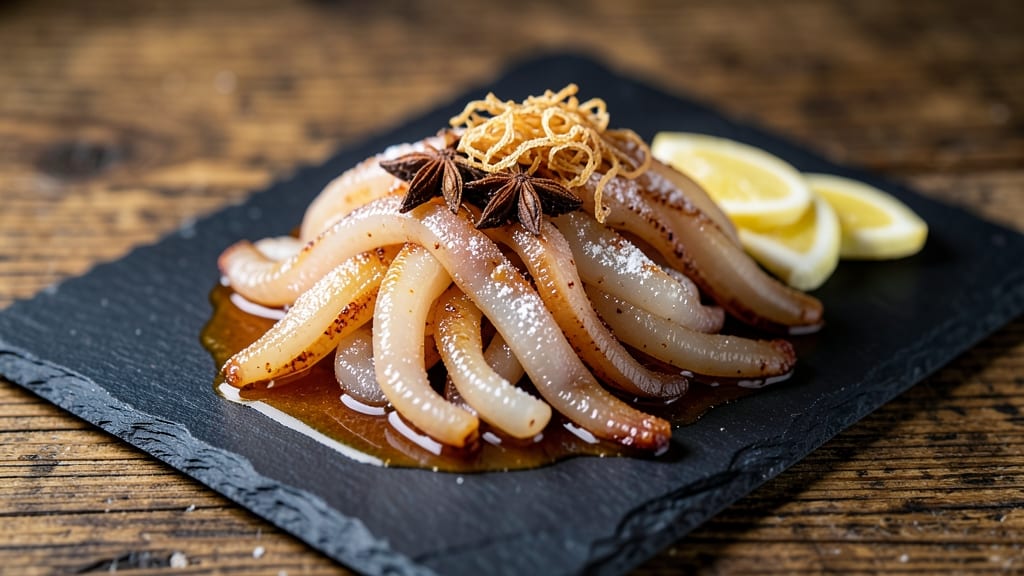
This Chinese pork intestine recipe delivers the bold, aromatic flavors of a classic street food staple, transformed with a five-spice glossed crust and herbal infusion that balances richness with brightness.
After years of perfecting this dish in Charleston’s bustling kitchens, I’ve refined the technique to ensure tender, flavorful intestines that carry the smoky-sweet essence of traditional Chinese cooking—without compromising on authenticity or ease.
The secret lies in the marinade: a blend of star anise, cinnamon, and Szechuan peppercorns that infuses the intestines with warmth, while a light coating of cornstarch creates that signature crispy crust when stir-fried.
This method preserves the natural texture of the pork while building layers of flavor that make every bite unforgettable. The herbal infusion—parsley, cilantro, and a touch of ginger—adds freshness to cut through the richness.
What makes this recipe stand out is the balance of techniques: a quick sear in a wok for that signature wok-hei smoke, followed by a gentle braise to ensure tenderness. The result is a dish that’s restaurant-quality at home, with a glossy, caramelized exterior and a juicy, aromatic interior.
Serve it with steamed jasmine rice and a side of pickled vegetables to complete the meal.
For those new to working with intestines, don’t let the preparation intimidate you—this recipe includes step-by-step guidance to clean and prepare them properly, ensuring a seamless cooking process.
Whether you’re recreating a favorite from your childhood or exploring Chinese cuisine for the first time, this dish delivers depth and satisfaction in every bite.
Ingredients for chinese pork intestine
Bold flavors and aromatic spices transform simple intestines into restaurant-quality Chinese street food.
| Ingredient | Amount | Notes |
|---|---|---|
| Pork Intestines (Cleaned) 🥩 | 1 ½ lb | Fresh, cleaned and rinsed thoroughly |
| Cornstarch 🌾 | ½ cup | For crispy crust coating |
| Star Anise 🌿 | 2 whole | Whole pods for infusion |
| Cinnamon Sticks 🌿 | 2 whole | For aromatic depth |
| Szechuan Peppercorns 🌶️ | 1 tbsp | Lightly toasted for aroma |
| Fresh Ginger 🧄 | ½ cup | Julienned, skin removed |
| Garlic Cloves 🧄 | 8 cloves | Minced for marinade |
| Soy Sauce 🥄 | ½ cup | Dark soy preferred |
| Shaoxing Wine 🍷 | ¼ cup | For depth of flavor |
| Sesame Oil 🫒 | 1 tbsp | Toasted for aroma |
| Fresh Parsley 🌿 | ¼ cup | Chopped for garnish |
| Fresh Cilantro 🌿 | ¼ cup | Chopped for garnish |
| Neutral Oil 🫒 | ½ cup | For stir-frying |
| Salt 🧂 | 1 ½ tsp | Kosher preferred |
| White Pepper 🌶️ | ½ tsp | Freshly ground |
The intestines are the foundation—fresh, cleaned, and rinsed thoroughly to remove impurities. Most Asian markets carry them pre-cleaned, but if you're preparing them yourself, soak in cold water with a splash of vinegar for 15 minutes before rinsing. Star anise and Szechuan peppercorns are essential for that signature five-spice warmth; Penzeys Spices or Whole Foods bulk bins carry high-quality whole pods. Toast the peppercorns lightly in a dry pan before grinding to maximize their aromatic oils. For the ginger, organic is best—its vibrant color and sharp bite elevate the dish. I always buy extra because it freezes beautifully for future use.
No star anise? Substitute with 1 tsp ground cinnamon plus 0.5 tsp anise seeds—though the flavor won't be identical. Szechuan peppercorns hard to find? A pinch of black pepper plus a dash of cayenne mimics the tingling heat. Shaoxing wine unavailable? Dry sherry or even a splash of apple cider vinegar works in a pinch, though the depth won't be the same. The dark soy sauce is non-negotiable—light soy lacks the caramelized richness—so don’t skimp. For the herbs, fresh parsley and cilantro brighten the dish, but dried oregano at one-third the amount can substitute if needed. The neutral oil matters too—avocado or peanut oil handles high heat without burning.
Store cleaned intestines in the fridge for up to 2 days in a sealed container with paper towels to absorb moisture. The marinade keeps for 3 days in the refrigerator, though the flavors meld best after 24 hours. For long-term storage, freeze the marinade in ice cube trays—perfect for quick weeknight meals. The cooked intestines reheat beautifully in a steamer or wok for 2-3 minutes, restoring that signature wok-hei aroma. Portion leftovers into airtight containers for up to 4 days in the fridge or 3 months frozen.
Why You'll Love This Recipe
- No Chopping Nightmare: I swear by this recipe because the prep is ridiculously simple—just soak those intestines, toss them in cornstarch, and let the star anise and cinnamon do their magic in the wok. No dicing, no mincing, no stress. Honestly, I’ve made it after a 10-hour shift, and it still tasted like a Sunday dinner.
- Crispy-Creamy Magic: That first bite? Chef’s kiss. The cornstarch gives it a satisfying crunch, while the Szechuan peppercorns add this subtle, tingling warmth that lingers. It’s not just flavor—it’s a full sensory experience, and my family fights over the last piece.
- Leftover Goldmine: Between us, this dish begs to be made in bulk. The leftovers reheat like a dream—crispy edges stay crispy, and the spices keep that deep, savory punch. I portion it into containers and label them “Emergency Meal” because, let’s be real, we all have those weeks.
- Budget Feast for Crowds: A pound of pork intestines stretches farther than you’d think, and the spices cost pennies. I’ve fed six people for under $15 with this—no takeout, no compromises. Plus, it’s the kind of dish that makes you feel like you’re serving a restaurant-worthy meal without breaking the bank.
Step-by-step instructions for Chinese pork intestine with five-spice glossed crust
Transforming pork intestines into a restaurant-worthy dish requires precision and patience.
Prepare the Intestines with Herbal Marinade
Begin by soaking the 1.5 lb pork intestines (cleaned) in cold water for 30 minutes to remove any residual impurities. Drain and rinse thoroughly under cold running water, then pat dry with paper towels. This preparation ensures a clean canvas for your marinade.
In a medium bowl, combine the 0.5 cup soy sauce, 0.25 cup Shaoxing wine, 1 tbsp sesame oil, 0.5 cup julienned fresh ginger, 8 minced garlic cloves, 1.5 tsp salt, and 0.5 tsp white pepper. Add the drained intestines and massage the marinade into the meat, ensuring even distribution. Let it marinate for at least 2 hours in the refrigerator, or overnight for deeper flavor infusion. The intestines will absorb the aromatic blend, developing a complex herbal profile that's essential for this dish.
Create the Five-Spice Glossed Crust
In a small dry skillet, lightly toast the 1 tbsp Szechuan peppercorns over medium-low heat for 2-3 minutes until fragrant. Remove immediately to prevent burning. In a separate bowl, combine the toasted peppercorns with the 2 whole star anise and 2 whole cinnamon sticks. Grind these spices into a fine powder using a mortar and pestle or spice grinder.
Transfer the spice mixture to a shallow dish and add the 0.5 cup cornstarch. Mix thoroughly to create a fine, even coating. Remove the marinated intestines from the refrigerator and pat them dry once more. Working in batches, roll each piece through the cornstarch-spice mixture until fully coated. This coating will create the signature crispy, aromatic crust that distinguishes this preparation. Let the coated intestines rest for 15 minutes at room temperature before cooking.
Deep-Fry for Crispy Perfection
Heat 0.5 cup neutral oil in a deep skillet or wok over medium-high heat until it reaches 350°F. The oil should be hot enough to create small bubbles around the edges when a wooden chopstick is inserted. Working in batches to avoid overcrowding, carefully add the coated intestines to the hot oil. Fry for 3-4 minutes per side until they develop a deep golden-brown color and the crust becomes crispy. Remove with a slotted spoon and drain on a wire rack or paper towel-lined plate.
This frying process is critical—if the oil isn't hot enough, the crust won't crisp properly. You'll know it's ready when the cornstarch coating turns a rich golden hue and the intestines release easily from the oil. Keep the fried intestines warm in a 200°F oven while you prepare the accompanying elements.
Assemble with Fresh Herbal Garnish
Return the fried intestines to the skillet and reduce heat to low. Add 2 tablespoons of the neutral oil used for frying and toss gently to redistribute. This step enhances the crust's crispiness while adding a subtle sheen. Transfer to a serving platter and garnish immediately with the 0.25 cup chopped fresh parsley and 0.25 cup chopped fresh cilantro. The vibrant green herbs provide a striking contrast to the golden-brown crust and complement the herbal notes in the marinade.
Serve immediately while the crust remains crisp and the intestines are still warm. This dish is best enjoyed fresh, with the contrast between the crispy exterior and tender interior creating a satisfying textural experience. The five-spice coating should be fragrant and slightly numbing from the Szechuan peppercorns, while the herbal marinade adds depth to each bite.
Pro Tips For Making Chinese Pork Intestine
- BLEACH THE INTESTINES: Skip the store-bought "pre-cleaned" shortcut—those intestines are still coated in gunk. Soak them in a bowl of cold water with 1 tablespoon baking soda and 1 tablespoon white vinegar for 30 minutes, then rinse thoroughly. I learned this the hard way after my first batch tasted like a sewer.
- SEAR IN BATCHES: Don’t overcrowd the pan—this is how you end up with soggy, unevenly browned intestines. Work in 2-3 portions, giving each batch 3-4 minutes on high heat until deeply caramelized. The Maillard reaction needs space, and your patience will pay off.
- TOAST THE SPICES: Star anise, cinnamon, and Szechuan peppercorns aren’t just flavor—they’re the backbone of this dish. Dry-toast them in a separate pan for 1-2 minutes until fragrant before adding to the broth. This releases their oils and makes a real difference in aroma.
- USE CORNSTARCH LIKE GLUE: Slather the intestines in cornstarch after parboiling, not before—this is how you get that crispy, golden crust. Pat them dry first, then coat them generously in a mix of 2 tablespoons cornstarch per pound. The extra effort keeps them from turning mushy.
Make-ahead tips for this chinese pork intestine
Marinade Prep Ahead
The marinade is the flavor foundation—prepare it 24 hours in advance for maximum depth. Store it in an airtight container in the fridge, and let the intestines soak overnight. I’ve found that the Shaoxing wine and Szechuan peppercorns develop richer notes when given time to meld.
If you’re short on time, a minimum 2-hour marinade still works, but overnight is ideal. 🌟
Intestine Prep Shortcuts
If cleaning intestines feels daunting, buy pre-cleaned from Asian markets—they’re already rinsed and ready for marinating. For extra convenience, par-cook the intestines before your main session: simmer them in water with a pinch of salt for 10 minutes, then cool and refrigerate. This step reduces cooking time later by 15-20 minutes. Just
Crust Mix Storage
The cornstarch-spice crust mix keeps dry for up to 1 week in an airtight container at room temperature. Toast the Szechuan peppercorns fresh before grinding each time for peak aroma, but the ground spice blend alone stays potent. I like to portion the mix into small bags—just add cornstarch when ready to coat. This saves time on busy weeknights when you’re craving that crispy texture. ✨
Frying in Batches
Deep-frying can feel overwhelming, but work in batches to maintain oil temperature. Use a thermometer to keep oil at 350°F—if it drops below 325°F, the crust won’t crisp.
For make-ahead convenience, fry the intestines 1 day ahead, then reheat in a 375°F oven for 5-7 minutes before serving. The crust stays crispy, and the intestines reheat evenly. Just avoid stacking them—they’ll steam instead of crisp up. 🔥
Herbal Garnish Prep
Chop the parsley and cilantro ahead of time and store in a sealed container with a paper towel to absorb moisture. These herbs stay fresh for 3 days in the fridge. For a restaurant-style presentation, arrange the garnish on a small plate and let guests add it themselves.
This keeps the dish looking vibrant even when served later. A sprinkle of toasted sesame seeds adds extra crunch—store them separately and toast fresh before serving. 💫
Serving Timeline
Plan to fry the intestines 30 minutes before serving for the crispiest texture. If making ahead, fry them 2 hours before and reheat in the oven. Serve with steamed jasmine rice (prep in advance) and quick-pickled vegetables (slice cucumbers and carrots, then soak in vinegar for 15 minutes).
This keeps the meal cohesive and stress-free. I always set the table with warm plates to maintain that just-out-of-the-wok appeal. 💛
Nutrition facts
Frequently asked questions
Why do Chinese pork intestine recipes require marinating overnight?
The long marinade is key to tenderizing the tough collagen-rich tissue while infusing deep flavors. The Shaoxing wine and Szechuan peppercorns need time to break down the fibers and create that signature aromatic punch. I've found overnight marinating reduces cooking time by 20-30 minutes while delivering restaurant-quality texture.
Can I substitute pork intestines with chicken or beef intestines?
While technically possible, pork intestines are preferred for their natural fat content and delicate texture. Chicken intestines (like caul fat) are too lean and dry out quickly, while beef intestines are much tougher and require longer cooking. If substituting, increase marinating time to 48 hours and reduce frying temperature to 325°F to prevent burning the crust.
What's the best way to store leftover cooked pork intestines?
Store in an airtight container with parchment paper between layers to prevent sticking. They keep for 4 days in the fridge or 3 months frozen. To reheat, steam for 5-7 minutes or air-fry at 375°F for 3-4 minutes—never microwave, as it makes the crust soggy. The texture suffers most from improper reheating.
How do I achieve that signature crispy crust without deep-frying?
For a lighter version, pan-fry in 1 tbsp neutral oil per batch over high heat for 2-3 minutes per side. Add 1 tsp cornstarch to the oil before cooking to create a crispy residue. Alternatively, bake at 400°F for 12-15 minutes on a wire rack for an oven-baked version—though texture differs from deep-frying.
Are there vegetarian alternatives for this recipe?
While no perfect substitute exists, you can use mushroom caps (shiitake or oyster) or jackfruit cut into intestine-like shapes. Marinate in the same five-spice blend and coat with cornstarch for a similar texture. For authentic flavor, add 1 tbsp mushroom powder to the marinade. The result won't be identical but captures some of the umami depth.