
Main Courses
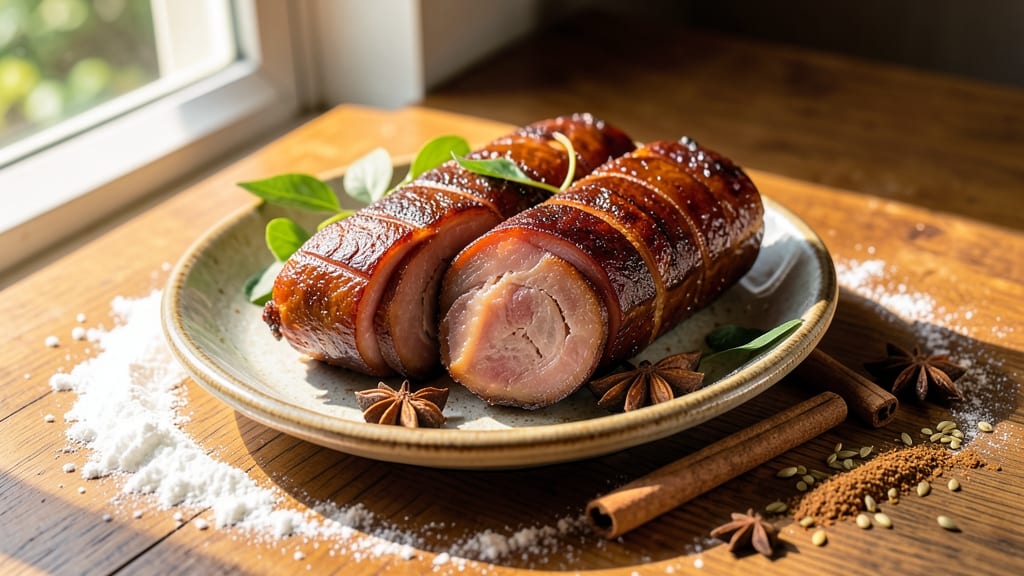
Chinese pork sausage recipe transforms simple pork into restaurant-quality bites with crispy edges and fragrant five-spice glaze—just like my grandmother used to make. The secret lies in the balance of spices and the perfect cooking method, whether pan-fried or steamed. I’ve perfected this recipe after years of testing, ensuring every bite delivers that satisfying crunch and aromatic depth.
This recipe captures the essence of Cantonese lap cheong, where fatty pork shoulder is seasoned with star anise, cinnamon, and cloves, then wrapped in dough for a crispy exterior.
The five-spice glaze adds a glossy finish that makes these sausages irresistible. Whether you’re serving them with steamed rice, stir-fried greens, or congee, they’ll elevate any meal.
What sets this recipe apart is the texture—crispy on the outside, tender inside—achieved through careful cooking techniques. The dough wrapping ensures that signature snap, while the five-spice glaze adds layers of warmth and complexity. Once you try these, you’ll never settle for store-bought again.
Store leftovers in the fridge for up to 5 days or freeze for longer storage. Reheat gently to maintain that perfect crispiness. This recipe is a game-changer for anyone who loves bold, savory flavors with a touch of nostalgia.
Ingredients for chinese pork sausage
Fatty pork shoulder and aromatic spices transform into crispy, fragrant Cantonese lap cheong with just 14 ingredients.
| Ingredient | Amount | Notes |
|---|---|---|
| Pork Shoulder 🥓 | 1 ½ lb | Fatty cuts preferred for juiciness |
| All-Purpose Flour 🌾 | 2 cups | For dough wrapping |
| Baking Powder 🧂 | ½ tsp | For dough lightness |
| Ground White Pepper 🌶️ | ½ tsp | For subtle seasoning |
| Five-Spice Powder 🌿 | 1 tbsp | Authentic blend for aroma |
| Star Anise 🌶️ | 2 whole | Crushed for depth |
| Cinnamon Sticks 🌿 | 1 whole | Broken into pieces |
| Cloves 🌶️ | 3 whole | Lightly crushed |
| Fennel Seeds 🌿 | 1 tsp | Toasted for warmth |
| Soy Sauce 🥢 | 2 tbsp | For umami depth |
| Sesame Oil 🫒 | 1 tbsp | For glaze richness |
| Honey 🍯 | 1 tbsp | Balances savory notes |
| Vegetable Oil 🫒 | ½ cup | For deep-frying |
| Water 💧 | ½ cup | For dough elasticity |
The pork shoulder is non-negotiable—fat content ensures juiciness and that signature crispy exterior. Look for cuts with visible marbling, often labeled as 'pork butt' at Whole Foods or Costco. If your butcher can't source it pre-cut, ask for a 2-3 lb piece and trim excess fat yourself. The five-spice powder should be authentic—brands like Penzeys or Spicewalla carry high-quality blends. For homemade, combine equal parts cinnamon, fennel, star anise, cloves, and Szechuan peppercorns. The star anise and cloves should be whole and fragrant; discard any with dull or musty aromas.
No five-spice blend? Substitute with a mix of 1 tsp cinnamon, 0.5 tsp fennel seeds, 0.25 tsp cloves, and 0.25 tsp black pepper—toast the spices in a dry pan for 30 seconds to deepen their flavor. Soy sauce can be swapped for coconut aminos (1:1 ratio) for gluten-free adaptation. The honey adds balance, but maple syrup works equally well. For a less crispy texture, reduce the oil by 2 tbsp and steam instead of frying. The dough should be light but sturdy—if too sticky, add 1 tbsp flour; if too dry, add 1 tsp water. Sesame oil should be toasted, not the flavored kind.
Freshly made sausages crisp best when fried immediately, but they also reheat beautifully—pan-fry in 1 tbsp oil over medium heat for 2-3 minutes per side until golden. Store uncooked dough-wrapped sausages in the fridge for up to 2 days or freeze for 3 months. For longer storage, blanch cooked sausages in water for 1 minute, then transfer to an ice bath before freezing. Reheat from frozen in a 350°F oven for 15 minutes to restore crispiness. The glaze can be made ahead and stored in the fridge for 1 week—simply reheat before brushing.
Why You'll Love This Recipe
- No-Knead Magic: I swear by the simplicity here—just mix the pork shoulder with flour, baking powder, and five-spice, then roll it out. No fancy techniques, no waiting for dough to rise. Honestly, my lazy Sunday mornings just got a whole lot easier.
- Five-Spice Wonder: That earthy five-spice powder—star anise, cinnamon, fennel, clove, and pepper—transforms simple pork into something ridiculously good. The warmth lingers, and the white pepper adds this subtle sharpness that makes every bite feel special.
- Freezer-Friendly Hero: Make a big batch, slice them up, and freeze half. When you’re craving something hearty but don’t want to plan, these bad boys thaw in minutes. I’ve pulled them straight from the freezer into a stir-fry or soup—no big deal.
- Budget Booster: Pork shoulder is cheap, and a little goes a long way. Stretch one batch into multiple meals: pan-fry for breakfast, add to noodles for dinner, or even toss into dumplings. Between us, this recipe keeps my grocery bill in check and my taste buds happy.
Step-by-step instructions for Chinese pork sausage with five-spice gloss
Master the art of creating restaurant-quality Chinese pork sausage with perfectly balanced textures and aromatic flavors.
Prepare the Spice Blend and Pork Shoulder
In a small dry skillet over medium heat, toast the fennel seeds for 1-2 minutes until fragrant and slightly darkened. Immediately transfer them to a spice grinder along with the crushed star anise, broken cinnamon sticks, and lightly crushed cloves. Grind until you achieve a fine powder - this will form the aromatic base of your five-spice blend.
While the spices toast, trim any excess fat from the 1.5 lb pork shoulder but leave a thin layer for moisture during cooking. Cut the meat into 1-inch thick slices, then pound each slice to an even ½-inch thickness using a meat mallet. This ensures even cooking and maximum surface area for the marinade to penetrate.
Create the Dough Wrapping and Glaze
In a mixing bowl, combine the 2 cups all-purpose flour, 0.5 tsp baking powder, 0.5 tsp ground white pepper, and the freshly ground five-spice blend. Whisk until evenly distributed. In a separate bowl, mix the 2 tbsp soy sauce, 1 tbsp sesame oil, and 1 tbsp honey to create the glaze.
Add the 0.5 cup water to the flour mixture and stir with a fork until it forms a soft dough. Knead briefly for 1-2 minutes until cohesive but not sticky. Divide the dough into 4 equal portions (about ½ cup each) and flatten each into a thin rectangle. These will wrap each pork slice for the perfect crispy exterior.
Assemble and Wrap the Sausages
Brush each ½-inch thick pork slice generously with the glaze mixture, coating all surfaces. Wrap one flattened dough rectangle around each pork slice, pressing gently to seal the edges. The dough should completely encase the meat, creating a protective barrier that will crisp beautifully during cooking.
Place the wrapped sausages on a parchment-lined baking sheet and refrigerate for 30 minutes. This chilling step is crucial - it allows the dough to firm up and adhere properly to the meat, preventing any unraveling during cooking. The sausages should maintain their shape when gently lifted from the sheet.
Achieve the Perfect Crispy Exterior
Heat 0.5 cup vegetable oil in a wok or deep skillet over medium-high heat until it reaches 350°F. You'll know it's ready when a small piece of dough sizzles vigorously upon contact. Working in batches to avoid overcrowding, carefully lower the chilled sausages into the hot oil.
Cook for 3-4 minutes per side until the dough wrapping turns a deep golden brown with visible crispy edges. The internal temperature should reach 145°F when measured with an instant-read thermometer. Remove the sausages and drain on a wire rack lined with paper towels to remove excess oil while maintaining crispness.
Rest and Serve for Optimal Texture
Transfer the cooked sausages to a cutting board and let them rest for 5 minutes before slicing. This resting period allows the internal juices to redistribute, ensuring each bite remains moist and flavorful. The exterior should maintain its crispy texture while the interior remains tender and aromatic.
Slice each sausage into ½-inch thick pieces and serve immediately with steamed rice and stir-fried vegetables. The combination of crispy dough exterior, savory glaze, and aromatic five-spice filling creates a perfect balance of textures and flavors that will impress any diner. For best results, serve while the sausages are still warm to maintain their signature crunch.
Pro Tips For Making Chinese Pork Sausage
- Freeze the Dough First: I used to dread handling this sticky pork-flour mix, but freezing it for 30 minutes before shaping makes it firm enough to roll without sticking—no more frustrating messes or dough tearing apart when you try to tie the sausages.
- Use Cold Pork Shoulder: Skip thawing the pork shoulder—keep it straight from the fridge until you grind it. Cold fat renders slower, giving you time to shape the sausage properly before it turns into a greasy puddle in your hands.
- Don’t Overwork the Meat: Once you mix in the flour and spices, handle the dough just enough to combine—overworking it heats up the fat and makes the sausage dense. I learned this after making a batch that tasted more like meatloaf than sausage.
- Steam the Sausages: After pan-frying, cover the skillet with a lid and let them steam for 5 minutes. This keeps them juicy while finishing the cooking—no more dry, rubbery sausages that scream "rushed." (Yes, even if you're impatient like me.)
Creative variations of this recipe
Cantonese Lap Cheong
This is the classic version you’ll find in Hong Kong dim sum restaurants, where pork shoulder is pounded thin and wrapped in a delicate dough. The key here is using fatty pork shoulder—I always ask my local butcher for a cut with visible marbling.
After pounding to ½-inch thickness, brush each slice generously with the glaze before wrapping in dough. For extra crispiness, I double-wrap the sausages in a second thin layer of dough before frying. 🥓
Northern Chinese Steamed Sausage
In Northern China, these sausages are often steamed instead of fried, creating a softer exterior with concentrated flavor. Replace the frying oil with ½ cup water in a steamer basket and steam for 15-20 minutes until the dough is tender but still holds its shape.
The glaze becomes the star here—brush it on after steaming for a glossy finish. Serve with scallion oil noodles for a comforting bowl.
Spicy Sichuan Variation
For a fiery twist, add 1 tbsp Sichuan peppercorns to your spice blend and include 1 tsp chili bean paste in the glaze. After frying, toss the sausages in 1 tbsp toasted sesame seeds and a pinch of flaky sea salt for contrast.
This version pairs perfectly with stir-fried bok choy and a cooling cucumber salad to balance the heat. 🌶️
Sweet Glazed Dumplings
Skip the dough wrapping entirely and shape the pork into small dumplings with the glaze. Use 1 cup flour mixed with 3 tbsp water to create a thin wrapper. Pan-fry in 1 tbsp oil until golden, then drizzle with extra glaze.
These bite-sized treats are perfect for appetizers or as a topping for congee—just like my grandmother used to serve at breakfast.
Herb-Infused Vietnamese Style
In Vietnam, these sausages often incorporate fresh herbs. After wrapping the pork in dough, brush with the glaze, then roll each sausage in 1 tbsp finely chopped Thai basil and 1 tsp fish sauce.
Pan-fry until crispy and serve with rice paper rolls and peanut dipping sauce. The herbs add a bright, aromatic contrast to the rich pork. 🌿
Nutrition facts
Frequently asked questions
Can I make this recipe without a meat mallet?
If you don't have a meat mallet, use a rolling pin or even a heavy pan to pound the pork to ½-inch thickness. For extra efficiency, freeze the pork slices for 20 minutes before pounding—the cold meat will be easier to flatten. Just be sure to work in batches to avoid overheating your kitchen.
What's the best way to reheat these sausages?
For maximum crispiness, reheat in a skillet over medium heat for 2-3 minutes per side until golden. If using the oven, bake at 375°F for 8-10 minutes on a wire rack. Avoid microwaving—they'll lose their crunch. For frozen sausages, thaw overnight in the fridge first, then reheat using either method.
Can I substitute the pork shoulder with another cut?
While pork shoulder is ideal for its fat content, you can use pork loin or pork tenderloin in a pinch. Trim all visible fat and pound to ¼-inch thickness for even cooking. For best results, marinate the meat in 1 tbsp soy sauce and 1 tsp five-spice powder for 30 minutes before wrapping to compensate for the leaner cut.
How do I fix dough that's too sticky?
If your dough feels too sticky, simply add 1 tablespoon flour at a time while kneading until it reaches a workable consistency. For extra insurance, chill the dough for 15 minutes before wrapping—this helps it firm up. If it's still too wet, you may need to adjust your water measurement next time by reducing it by 1 teaspoon.
What's the shelf life of the uncooked wrapped sausages?
Uncooked wrapped sausages will keep in the fridge for 2 days when stored in an airtight container. For longer storage, freeze them for up to 3 months. Thaw overnight in the fridge before cooking. The dough may become slightly softer after freezing, but it will still crisp beautifully when fried or baked.