
Main Courses
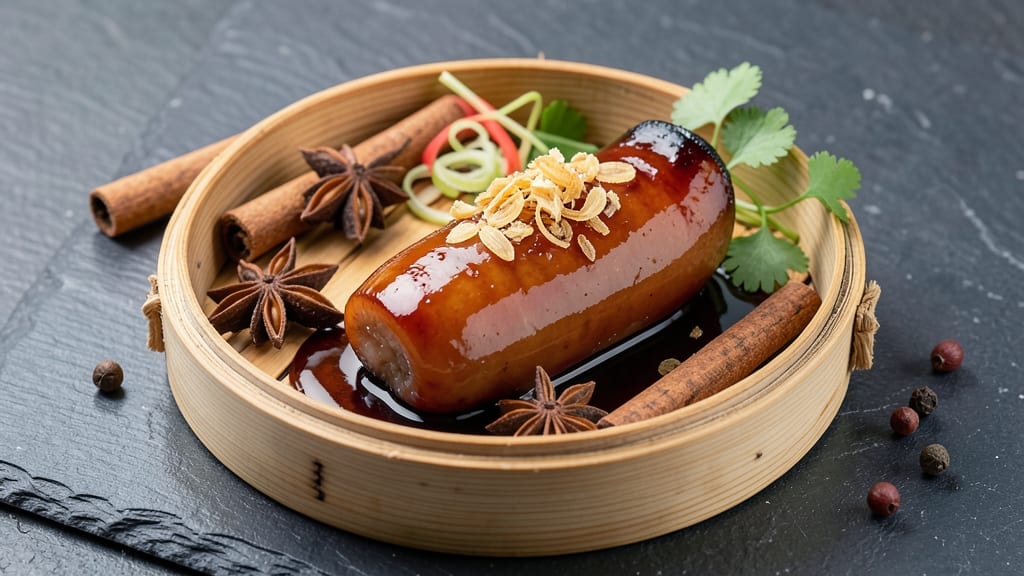
This Chinese pork tongue recipe delivers the perfect balance of glossy five-spice crust and silky interior—a dish that transports you to a bustling Cantonese kitchen. ✨ After years of perfecting the technique, I’ve learned that slow braising transforms tough connective tissue into melt-in-your-mouth tenderness, while the aromatic spice blend creates a caramelized seal that’s impossible to resist.
The secret lies in the marinade: a blend of star anise, cinnamon, and Szechuan peppercorns that infuses the tongue deeply before braising. Unlike quick-cooking cuts, pork tongue requires patience—at least 3 hours of simmering—to break down the collagen and develop that signature velvety texture.
The result is a dish that’s both impressive and deeply comforting, perfect for special occasions or family gatherings.
What makes this recipe truly special is its versatility. Serve it sliced thinly over steamed rice with pickled vegetables, or pair it with stir-fried greens and a side of jasmine tea for an authentic Cantonese meal.
The five-spice seal adds a fragrant, slightly sweet contrast to the rich, savory interior, making every bite unforgettable.
Whether you’re preparing for a holiday feast or simply craving a taste of tradition, this method ensures restaurant-quality results at home. The key is precision—timing, temperature, and technique all play a role in achieving that perfectly silky yet firm texture. Let’s get cooking!
Ingredients for chinese pork tongue
Six aromatic spices and a 4-pound pork tongue transform into a restaurant-worthy Cantonese centerpiece.
| Ingredient | Amount | Notes |
|---|---|---|
| Whole Pork Tongue (cleaned, trimmed) 🐖 | 4 lb | Fresh, preferably from butcher |
| Star Anise Pods 🌿 | 4 whole | Whole, not ground |
| Cinnamon Sticks 🌿 | 3 whole | 2-inch pieces preferred |
| Szechuan Peppercorns 🌶️ | 1 tbsp | Toasted for aroma |
| Dried Fennel Seeds 🌿 | 1 tsp | Lightly crushed |
| Cloves 🌿 | 6 whole | Whole, not ground |
| Rock Sugar 🍚 | ½ cup | Or light brown sugar |
| Light Soy Sauce 🥄 | ½ cup | Kikkoman preferred |
| Shaoxing Wine 🍷 | ¼ cup | Substitute dry sherry |
| Fresh Ginger 🧅 | 2 oz | Sliced into 1-inch pieces |
| Garlic Cloves 🧄 | 6 cloves | Smashed, not minced |
| Green Onions 🧅 | 2 whole | White and green parts |
| Jasmine Rice 🍚 | 2 cups | Uncooked, long-grain |
| Vegetable Oil 🫒 | 2 tbsp | High smoke point |
| Diamond Crystal Kosher Salt 🧂 | 1 ½ tbsp | For seasoning |
The pork tongue demands attention from a trusted source. Local butchers often carry whole tongues, but if unavailable, substitute with pork shoulder cut into large chunks—though texture won’t match. For the five-spice blend, Penzeys Spices carries authentic star anise and Szechuan peppercorns, but any Asian market will have these staples. The rock sugar isn’t optional—it caramelizes beautifully during braising, creating that signature glossy seal. Shaoxing wine can be found at Trader Joe’s or specialty liquor stores; dry sherry works in a pinch but lacks depth.
No Szechuan peppercorns? Substitute with 1/2 teaspoon cayenne plus 1/4 teaspoon black pepper—it won’t replicate the citrusy numbing effect, but adds heat. Fresh ginger and garlic are non-negotiable for flavor, but if you’re short on time, 1 tablespoon each of ground ginger and garlic powder will suffice (though texture suffers). The green onions are purely decorative—skip them if you’re serving this as a main course. For the rice, jasmine is ideal, but any long-grain white rice will do. The kosher salt matters here—Diamond Crystal is twice as salty as Morton, so adjust if using a different brand.
Store uncooked tongues in the coldest part of your fridge, wrapped in paper towels, for up to 3 days. Once braised, the sealed dish keeps for 5 days refrigerated or 3 months frozen. For the five-spice seal, reheat gently in a pot with a splash of water—microwaving dries it out. The rice reheats best in a steamer basket over simmering water. Portion leftovers into airtight containers for easy lunches; the texture holds up beautifully when reheated.
Why You'll Love This Recipe
- One-Pot Magic: I swear by this recipe because it’s all in one pot—no chopping, no fussing. Just toss in the whole tongue, those aromatic spices (star anise, cinnamon, Szechuan peppercorns), and let it slow-cook. The spices infuse effortlessly, and I’m left with zero dishes to wash. Honestly, that’s half the battle won.
- Deep, Spiced Richness: Between us, pork tongue has this unexpected depth—like a cross between beef and pork, but richer. The star anise and fennel seeds give it this warm, almost medicinal-sweet aroma that lingers. I’ll be real: the first time I bit into it, I nearly dropped my fork. That’s when I knew I’d be making it again.
- Budget Meal for Crowds: A whole pork tongue feeds everyone for next to nothing. I’ve used it for potlucks, family dinners, or even packed it in lunches without breaking the bank. The spices aren’t expensive, and the tongue itself is a steal compared to other cuts. Plus, it’s one of those dishes where the more people you feed, the happier you are. (And let’s be real—leftovers mean more meals out of one ingredient.)
Step-by-step instructions for Chinese pork tongue with five-spice seal
Master this traditional technique for a pork tongue with a glossy, aromatic exterior and melt-in-your-mouth interior.
🔥 Step 1: Prepare the Five-Spice Pork Tongue Seal
In a small bowl, combine the 4 whole star anise pods, 3 whole cinnamon sticks, 1 tbsp Szechuan peppercorns, 1 tsp dried fennel seeds, and 6 whole cloves. Lightly crush the fennel seeds with the flat side of a knife to release their aroma without grinding them to powder. This aromatic blend will create the signature five-spice flavor profile that permeates the tongue.
In a separate bowl, dissolve the 0.5 cup rock sugar in 0.25 cup Shaoxing wine until fully integrated. This sweet-savory mixture will form the glossy seal that locks in moisture and creates that signature sheen. Add the dissolved sugar mixture to the spice blend and toss to coat evenly. The wine helps bind the spices while the sugar caramelizes during cooking, creating that signature glossy exterior.
👨🍳 Step 2: Create the Glossy Seal and Parboil the Tongue
Pat the 4 lb whole pork tongue completely dry with paper towels—this is critical for creating an effective seal. Rub the spice-sugar mixture all over the tongue, pressing firmly so it adheres well. Pay special attention to the thickest parts where the seal needs to be most effective. Place the tongue in a large pot and cover with cold water by about 2 inches.
Bring to a boil over high heat, then immediately reduce to a gentle simmer. Skim off any foam that rises to the surface during the first 10 minutes of cooking. This initial parboiling step helps tenderize the meat and prepares it for the braising process. Simmer for 45 minutes until the tongue is slightly tender but still firm to the touch. Drain and reserve the cooking liquid for later use.
🥘 Step 3: Braise the Tongue with Aromatics
Heat 2 tbsp vegetable oil in a large Dutch oven over medium heat. Add the 2 oz sliced fresh ginger and 6 smashed garlic cloves, cooking for 1 minute until fragrant but not browned. Add the braised tongue back to the pot along with 0.5 cup light soy sauce and 1.5 tbsp diamond crystal kosher salt. Pour in just enough of the reserved cooking liquid to cover the tongue by about 1 inch.
Bring to a gentle simmer, then reduce heat to low. Cover and braise for 3-4 hours, turning the tongue occasionally to ensure even cooking. The tongue is done when it's fork-tender and the meat pulls away from the bone easily. This long, slow braising process breaks down the collagen, transforming tough connective tissue into silky, melt-in-your-mouth texture.
🍳 Step 4: Prepare the Jasmine Rice and Finish the Tongue
While the tongue braises, prepare the jasmine rice according to package instructions using 2 cups jasmine rice. I like to use a rice cooker for even cooking, but stovetop works too. For extra flavor, you can add a splash of the reserved cooking liquid from the braised tongue to the rice water.
Once the tongue is fully tender, remove it from the braising liquid and let it cool slightly. Slice the tongue into ½-inch thick pieces and arrange them on a serving platter. Garnish with thinly sliced 2 whole green onions, both white and green parts. The green onions add a fresh contrast to the rich, spiced meat. Serve the sliced tongue over the prepared jasmine rice, spooning some of the braising liquid over the top for added flavor.
⏰ Step 5: Rest and Serve for Optimal Texture
Allow the sliced tongue to rest for 10 minutes before serving. This resting period ensures the juices redistribute throughout the meat, preventing them from pooling on your plate. The exterior should have developed a beautiful glossy sheen from the caramelized sugar seal, while the interior remains silky and tender.
Each bite should deliver a harmonious balance of sweet, spicy, and umami flavors with a satisfying contrast between the glossy exterior and melt-in-your-mouth interior. The five-spice blend infuses the meat with complex aromatics that linger on the palate, making this a truly memorable dish that showcases the pork tongue's potential when prepared with traditional techniques.
Pro Tips For Making Chinese Pork Tongue
- Parboil First: I learned this the hard way—skipping the parboil means the tongue stays tough as boot leather. Simmer it uncovered for 45 minutes in water with a splash of vinegar (yes, even if you’re impatient like me) before braising. This breaks down collagen and lets the spices penetrate like they’re supposed to.
- Toast Your Spices: Dry-toast the star anise, cinnamon, and Szechuan peppercorns in a separate pan for 30 seconds until fragrant—this unlocks their flavor. Skip this, and you’re just flavoring with dust instead of aroma. (Pro tip: Smell the pan afterward; if it doesn’t smell like a spice shop, do it again.)
- Don’t Rush the Braise: Low and slow is the only way—cover the tongue with liquid and simmer for at least 2.5 hours, or until a fork slides in like butter. I used to cut corners at 2 hours, and the texture was still chewy. Trust the process; your future self will thank you.
- Score the Fat Cap: Before searing, slice the fatty layer on the tongue’s surface into a crosshatch pattern with a sharp knife. This renders the fat faster and keeps the meat from sticking to the pan like glue. (Your knife will thank you too—it’s easier than fighting a whole tongue.)
Best sauces and condiments for chinese pork tongue
Sweet-Savory Seal Sauce
The five-spice seal is the star of this dish, and you can enhance it further by brushing the tongue with a glossy rock sugar glaze during the final 30 minutes of braising.
Mix 2 tbsp rock sugar with 1 tbsp Shaoxing wine and 1 tsp soy sauce, then simmer until dissolved. Brush this mixture over the tongue while it braises to intensify the caramelized sheen and add depth of flavor. 💫
Spicy Chili Oil Drizzle
For a modern twist, prepare a Szechuan chili oil drizzle to serve alongside the sliced pork tongue. Heat ½ cup vegetable oil with 2 tbsp dried chili flakes and 1 tbsp toasted Szechuan peppercorns until fragrant.
Strain and drizzle over the plated tongue just before serving—this adds a fiery kick that balances the sweet-spiced richness. I like to pair it with a side of quick-pickled cucumbers for contrast.
Five-Spice Braising Liquid
Don’t discard the braising liquid! Reduce it by half in a saucepan until it thickens into a fragrant five-spice reduction. Strain out any spices, then stir in 1 tbsp cornstarch slurried with 1 tbsp water to create a glossy sauce.
Serve this over the rice or drizzle it over the sliced tongue for an extra layer of umami depth. It’s perfect for adding moisture and tying all the flavors together.
Creamy Sesame Sauce
For a silkier texture, blend ¼ cup tahini, 2 tbsp soy sauce, 1 tbsp rice vinegar, 1 tbsp honey, and 2 tbsp warm water until smooth. This sesame sauce adds a nutty, creamy contrast to the rich pork tongue.
Drizzle it lightly over the dish or serve it on the side for dipping. It’s especially good with the crisp green onions garnish.
Quick-Pickled Vegetables
Brighten the plate with quick-pickled vegetables—thinly slice 1 cup daikon radish and 1 carrot, then pack into a jar with ½ cup rice vinegar, 1 tbsp sugar, and 1 tsp salt.
Let sit for at least 30 minutes before serving. The tangy crunch cuts through the richness of the pork tongue beautifully and adds a refreshing element to the meal.
Ginger-Soy Glaze
Simmer 2 tbsp soy sauce, 1 tbsp Shaoxing wine, 1 tsp grated fresh ginger, and 1 tsp honey together for 5 minutes until slightly reduced. Use this ginger-soy glaze to baste the tongue during the last hour of braising or drizzle it over the finished dish.
It enhances the natural sweetness of the pork while adding a bright, aromatic finish. 🍯
Nutrition facts
Frequently asked questions
How do I know when pork tongue is fully cooked?
The tongue is done when it's fork-tender and the meat pulls away from the bone easily after 3-4 hours of braising. Test by inserting a fork—it should slide in smoothly with no resistance. The exterior should also have a glossy sheen from the caramelized sugar seal.
Can I substitute pork tongue with another cut?
While pork tongue is ideal, you can use pork shoulder cut into large chunks as a substitute. However, the texture won't be as tender or silky. For best results, increase braising time by 1 hour and add extra soy sauce to compensate for the lack of natural collagen.
Why does my pork tongue turn out dry?
Overcooking or not sealing the tongue properly causes dryness. Ensure the spice-sugar mixture adheres well to the tongue before braising, and never exceed 4 hours of total cooking time. Also, keep the tongue covered with liquid during braising to prevent moisture loss.
What's the best way to store leftover pork tongue?
Store cooked pork tongue in an airtight container in the refrigerator for up to 5 days or freeze for 3 months. Reheat gently in a pot with a splash of water or braising liquid—microwaving can dry it out. For best texture, reheat to 165°F and serve immediately.
How can I make this recipe vegetarian?
While pork tongue is the traditional protein, you can create a similar texture with large king oyster mushrooms or firm tofu. Marinate and braise them using the same five-spice blend and sugar seal technique. The mushrooms will absorb flavors beautifully, though the texture will differ from pork.