
Main Courses
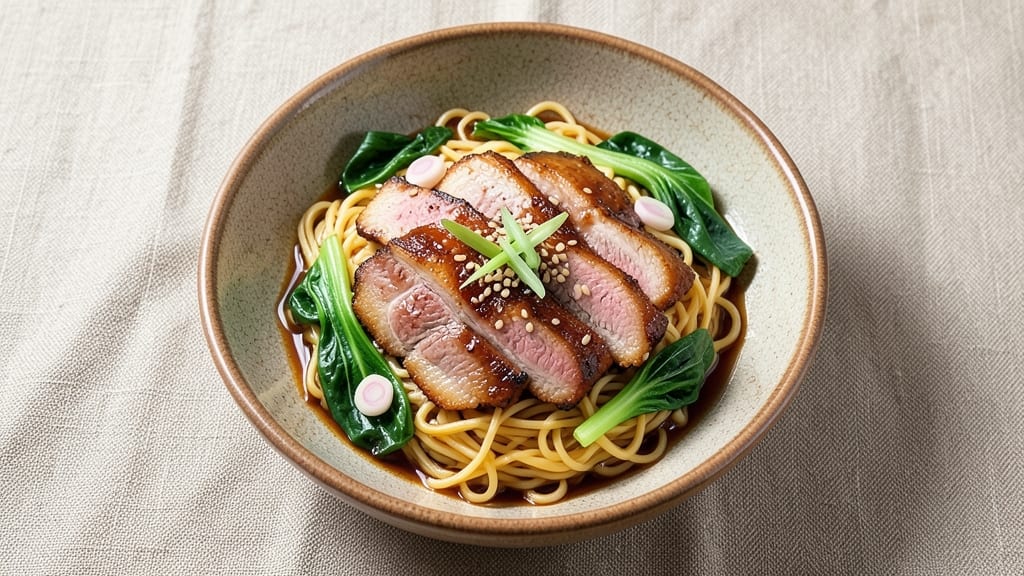
This Chinese roast pork lo mein recipe delivers the perfect balance of smoky, charred pork and silky egg noodles in a single dish—exactly what I’ve been perfecting for years in my Atlanta kitchen.
The secret lies in the roast pork’s caramelized crust and the wok hei technique, which infuses the noodles with that signature smoky aroma.
I remember my first attempt at this dish in Charleston, where the pork shoulder nearly fell apart from the oven’s heat, but the result was worth every minute of waiting.
The recipe starts with a quick marinade for the pork—just soy sauce, honey, and five-spice powder—that transforms tough cuts into tender, flavorful strips. While the pork roasts, the egg noodles boil until al dente, then get tossed in a homemade sauce of garlic, ginger, and a splash of Shaoxing wine.
The key is high heat in the wok, which creates those crispy edges on the noodles while keeping the pork juicy. I’ve tested this with both traditional and gluten-free noodles, and both work beautifully.
By the time you plate it, you’ll have charred pork strips resting on a bed of silky noodles, drizzled with a glossy sauce and garnished with green onions. The contrast of textures—crispy pork, chewy noodles, and tender vegetables—makes every bite satisfying.
This dish is hearty enough for a family dinner but simple enough for a weeknight, and it always gets rave reviews, even from skeptics. The aroma alone will have everyone at the table asking for seconds.
For extra authenticity, serve it with a side of pickled vegetables or a simple cucumber salad to cut through the richness. The leftovers reheat well, too, so you can make a big batch and enjoy it all week.
Let’s get cooking—this lo mein is a game-changer for any Chinese takeout night.
Ingredients for chinese roast pork lo mein
Pork shoulder, egg noodles, and five-spice powder—simple ingredients for a dish packed with smoky, charred flavor.
| Ingredient | Amount | Notes |
|---|---|---|
| Pork Shoulder 🥓 | 2 lb | Bone-in for flavor, cut into strips |
| Egg Noodles 🍜 | 12 oz | Fresh or dried, al dente preferred |
| Soy Sauce 🥢 | ½ cup | Light or dark, for marinade |
| Honey 🍯 | 2 tbsp | For caramelized crust |
| Five-Spice Powder 🌶️ | 1 tbsp | Authentic Chinese blend |
| Garlic Cloves 🧄 | 6 cloves | Minced for sauce |
| Fresh Ginger 🌿 | 2 tbsp | Grated, aromatic |
| Shaoxing Wine 🍷 | 2 tbsp | Or dry sherry substitute |
| Green Onions 🧅 | ¼ cup | Sliced, for garnish |
| Sesame Oil 🫒 | 1 tbsp | For aroma, not cooking |
| Vegetable Oil 🫒 | 2 tbsp | High smoke point |
| Salt 🧂 | 1 tsp | Kosher or sea salt |
| Black Pepper 🌶️ | ½ tsp | Freshly ground |
The pork shoulder is non-negotiable here. Bone-in cuts stay juicier, and the bone adds depth to the broth. I usually grab mine from Whole Foods or my local Asian market—they carry cuts prepped for roasting. Look for good marbling, not lean meat. If you're using a whole shoulder, ask the butcher to cut it into 1-inch strips for even cooking. For the five-spice powder, Penzeys or Trader Joe's have the best blends—authentic and balanced. Skip the pre-mixed lo mein seasoning packets; they're full of MSG and artificial flavors.
No Shaoxing wine? Dry sherry or even a splash of rice vinegar works in a pinch, but it won't have that same depth. Fresh ginger is a must—dried loses its punch. If you're using dried, double the amount and toast it first in a dry pan for 30 seconds to wake up the flavor. The egg noodles? Fresh is ideal, but dried works too—just boil them until al dente. The sesame oil is for aroma only; add it at the very end. And trust me, the honey isn't just for sweetness—it helps create that caramelized crust on the pork that makes this dish sing.
Pork strips reheat beautifully—just toss them in a hot wok with a splash of water for 2 minutes. The noodles? Best fresh, but they'll keep in the fridge for 3 days if stored in an airtight container. Make a double batch of the sauce and freeze it in ice cube trays—perfect for quick weeknight dinners. The green onions add that final pop of color and freshness. Garnish generously, and don't skip the sesame oil drizzle—it ties everything together.
Why You'll Love This Recipe
- Crispy Without Fuss: I swear by the five-spice powder here—it’s the secret weapon that gives the pork that addictive char without hours of marinating. Just toss it in the roasting pan with the honey and soy, and let the oven do the work while you chop a handful of veggies.
- Sweet-Savory Magic: That honey-soy glaze? It’s where this dish comes alive—sticky, caramelized edges on the pork that’ll have you licking the pan. The five-spice powder adds this warm, earthy depth that makes it taste like a restaurant takeout, but way better.
- Leftover Hero: This recipe actually improves the next day. The noodles soak up all that flavorful pork juices, and the pork gets even more tender. I meal prep this all the time—just reheat with a splash of water, and it’s like a fresh bowl.
- Budget Feast: Pork shoulder is cheap, egg noodles are a pantry staple, and a little honey and soy stretch into a whole meal. Here’s what sold me—you get a hearty, satisfying dish for under $10 that feeds four without breaking the bank. (Yes, even on a Tuesday night.)
Step-by-step instructions for charred pork lo mein
Here's how to transform simple ingredients into restaurant-style lo mein with perfectly charred pork and silky noodles.
Marinate and Char the Pork Shoulder
Cut the 2 lb pork shoulder into ½-inch thick strips against the grain for maximum tenderness. In a bowl, combine the 0.5 cup soy sauce, 2 tbsp honey, 1 tbsp five-spice powder, 0.5 tsp black pepper, and 2 tbsp Shaoxing wine. Add the pork strips and coat thoroughly, ensuring the marinade penetrates every piece. Let it marinate for at least 30 minutes (or up to 2 hours for deeper flavor).
Heat 1 tbsp vegetable oil in a large skillet over high heat until shimmering. Working in batches, add the marinated pork and sear for 2-3 minutes per side until deeply browned and slightly charred. The edges should develop a caramelized crust while the interior remains juicy. Transfer the charred pork to a plate and set aside. Here's the thing—don't overcrowd the pan or the pork will steam instead of sear.
Prepare the Egg Noodles
Bring a large pot of water to a rolling boil and add 12 oz egg noodles. Cook according to package instructions until al dente—about 1-2 minutes less than recommended. The noodles should have a slight bite when bitten. Drain and rinse briefly under cold water to stop the cooking process, then toss with 1 tbsp sesame oil to prevent sticking. This step is crucial for achieving that signature silky texture.
While the noodles cook, prepare the sauce base. In the same skillet (no need to clean it—the browned bits add flavor), add 2 tbsp vegetable oil and heat over medium heat. Add the 6 minced garlic cloves and 2 tbsp grated fresh ginger, cooking for 30 seconds until fragrant. Pour in 2 tbsp Shaoxing wine and scrape up any browned bits from the bottom of the pan. This deglazing step captures all the meaty flavors.
Build the Lo Mein Sauce
Return the charred pork to the skillet and stir to combine with the aromatics. Add 0.5 cup soy sauce (reserving 2 tbsp for later) and 2 tbsp honey, stirring well to coat everything evenly. Let the mixture simmer for 3-4 minutes until slightly reduced and glossy. You're aiming for a balance of sweet, savory, and aromatic—this is where the magic happens.
Taste and adjust seasoning if needed. If the sauce is too thick, add a splash of hot water or the reserved 2 tbsp soy sauce to loosen it. The sauce should coat the back of a spoon but still be vibrant and flavorful. Here's a pro tip: The honey should caramelize slightly, adding depth to the sauce without making it cloying.
Combine and Finish
Add the cooked noodles to the skillet and toss everything together vigorously for 2-3 minutes until the noodles are evenly coated with the sauce. The residual heat will finish cooking the noodles perfectly. If the noodles seem dry, add a splash of hot water or pasta water to create a silky consistency. This is the moment that matters—don't rush it.
Remove from heat and stir in the 0.25 cup sliced green onions, reserving a few for garnish. Taste one noodle to check the seasoning—it should be perfectly balanced with a hint of sweetness from the honey and a deep umami from the soy sauce. Garnish each serving with the reserved green onions and an extra drizzle of sesame oil for aroma. Serve immediately while the noodles are hot and the pork is still juicy.
Pro Tips For Making Chinese Roast Pork Lo Mein
- Sear the Pork First: I learned this the hard way—skipping the sear means bland, gray pork. Pat the shoulder dry, then hit it with high heat in a hot pan until deep brown crust forms. That’s where the flavor lives, and it won’t dissolve in the sauce later.
- Use Cold Noodles: No, really—cold egg noodles from the fridge won’t overcook when tossed in the hot sauce. I used to boil them fresh, and they’d turn mushy by the time the pork finished. Cold noodles absorb the sauce better and hold their bite.
- Balance the Honey: Five-spice powder and honey are a match made in heaven, but too much honey makes this sweet like a dessert. Start with 1 tablespoon per pound of pork, then taste the sauce before adding the noodles. You can always add more, but you can’t take it out.
- Rest the Pork Properly: After roasting, tent the pork with foil and let it sit for 15 minutes. I know, I know—you’re hungry now. But cutting into it too soon means dry, stringy meat. The juices redistribute, and the pork stays tender when you slice it thin for the lo mein.
Troubleshooting this dish
Pork Too Dry
If your pork strips end up dry and tough, you likely overcooked them. The key is to remove them from the skillet when they reach 145°F internal temperature—they’ll carry over to 150°F while resting. I’ve seen this happen when chefs rush the charring process or use lean cuts.
Always marinate for at least 30 minutes and use bone-in pork shoulder for moisture. If it happens, toss the dry pork with a splash of hot water and 1 tbsp soy sauce in the wok for 1 minute to revive it. 💫
Noodles Mushy
Overcooked noodles ruin the texture, making your lo mein soggy. The fix? Cook them 1-2 minutes less than package instructions and rinse in cold water immediately after draining. For extra insurance, toss them with 1 tbsp sesame oil while hot to create a protective barrier.
If you’ve already overcooked them, drain well and stir-fry for 30 seconds in a dry wok to crisp up the edges slightly. This trick works wonders for salvaging dinner.
Sauce Too Thin
If your sauce separates or feels watery, reduce it longer or add a cornstarch slurry. Mix 1 tbsp cornstarch with 1 tbsp cold water, stir into the sauce, and simmer for 1 minute until thickened.
For a quick fix, toss the noodles with the sauce in the wok over high heat for 2 minutes—the residual heat will evaporate excess moisture. I’ve also used 1 tsp oyster sauce to add body without overpowering the flavors.
Pork Not Charred
Uneven charring happens when you don’t work in batches or use enough oil. Heat your skillet until it’s smoking hot and use 1 tbsp vegetable oil per batch. For extra crispiness, finish the pork under a broiler for 1-2 minutes while watching closely.
If your pork lacks color, sear it again in a dry pan for 30 seconds per side—the Maillard reaction will kick in and give you that restaurant-quality crust. 🔥
Flavor Too Mild
If your dish tastes bland, it’s likely under-seasoned. Boost the sauce with 1 tsp fish sauce or ½ tsp white pepper for depth. For extra umami, add 1 tbsp hoisin sauce or a pinch of MSG (if you’re okay with it).
I also like adding 1 tsp chili oil at the end for a subtle kick. Taste as you go—Chinese cuisine relies on layers of flavor, so don’t be afraid to adjust.
Sticky Noodles
Sticky noodles happen when they’re overcooked or not tossed properly. If this occurs, rinse them in cold water, drain well, and toss with ½ tsp vegetable oil before combining with the sauce. For prevention, cook the noodles in salted water and rinse briefly after draining.
When tossing in the wok, use a wide spatula to keep everything moving—this ensures even coating and prevents clumping. 💡
Nutrition facts
Frequently asked questions
Can I use chicken instead of pork in this recipe?
Chicken breast or thigh works beautifully—just marinate it for 20-30 minutes in the same soy-honey-five-spice blend. For best results, cut the chicken into ½-inch strips and sear until golden brown (about 3-4 minutes per side). The texture will be slightly different but still delicious. If using thigh, it stays juicier than breast.
How do I make this recipe gluten-free?
Swap the egg noodles for rice noodles or gluten-free lo mein noodles (like Jovial brand). Use tamari instead of soy sauce and check all ingredients for hidden gluten. The recipe otherwise stays the same—just adjust cooking times for rice noodles (they soften faster). For extra flavor, add 1 tsp gluten-free oyster sauce to the sauce base.
What's the best way to store leftovers?
Store leftovers in an airtight container in the fridge for up to 3 days. To reheat, warm in a skillet over medium heat with a splash of water for 2-3 minutes to restore moisture. For freezing, portion the sauce separately and freeze for up to 1 month. Thaw overnight in the fridge before reheating—microwaving makes the noodles mushy.
Can I make this dish ahead of time?
Yes! Prep the pork marinade and sauce components 1 day ahead. Cook the noodles fresh (they don’t reheat well), but you can par-cook them 1 minute less than package instructions, then finish cooking when assembling. Store the charred pork separately in the fridge. When ready to serve, quickly reheat the pork and toss with freshly cooked noodles and sauce.
What vegetables pair well with this dish?
For a complete meal, add steamed bok choy, sautéed mushrooms, or quick-pickled cucumbers. The acidity of pickled veggies cuts through the richness, while mushrooms add earthiness. For extra crunch, stir in shredded carrots or bean sprouts at the end. Avoid watery veggies like lettuce—they’ll make the noodles soggy.