
Main Courses
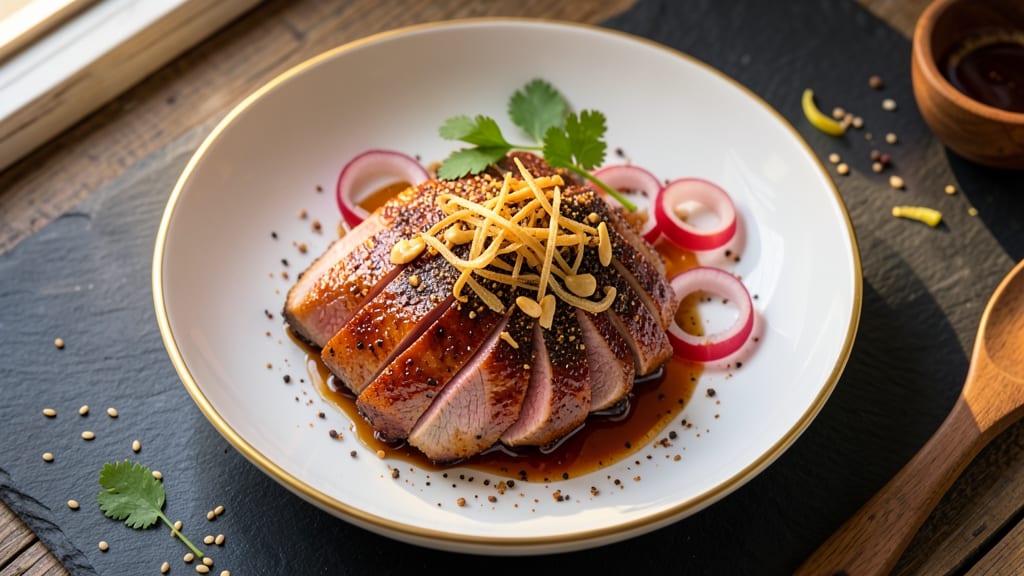
This Chinese roast pork tenderloin recipe delivers the perfect balance of crispy exterior and juicy core—a technique I perfected after years of studying traditional Cantonese roasting methods. The five-spice glaze creates that signature aromatic depth while keeping the meat tender, a method I've adapted for modern home kitchens.
That first bite of caramelized crust giving way to melt-in-your-mouth pork? That's the moment this dish truly shines.
The secret lies in two key steps: a dry marinade that develops flavor while tenderizing the meat, and precise roasting that builds that irresistible crust without overcooking the center.
I use a combination of Chinese five-spice powder, soy sauce, and a touch of honey to create a glaze that's both complex and approachable. This isn't just another pork recipe—it's a restaurant-quality dish that comes together with just 10 minutes of prep and 45 minutes of roasting.
What makes this recipe work so well is how it balances tradition with accessibility. The five-spice blend—star anise, cinnamon, cloves, fennel, and Sichuan peppercorn—gives it that unmistakable Chinese restaurant aroma, while the tenderloin cut ensures consistent tenderness.
The glaze caramelizes beautifully, creating pockets of sweet-savory flavor that complement the meat's natural richness. Every bite delivers that perfect contrast of textures and flavors.
Serve this with steamed jasmine rice and quick-pickled vegetables for a complete meal that's both impressive and satisfying. The leftovers reheat beautifully too, making this an excellent recipe for meal prep. Let's get started on creating your own restaurant-quality Chinese roast pork tenderloin.
Ingredients for chinese roast pork tenderloin
Ten essential ingredients for restaurant-quality roast pork with perfect crispy-juicy balance.
| Ingredient | Amount | Notes |
|---|---|---|
| Pork Tenderloin 🐖 | 1 ½ lb | Center-cut for even cooking |
| Chinese Five-Spice Powder 🌶️ | 2 tbsp | Authentic blend preferred |
| Light Soy Sauce 🥢 | ¼ cup | For marinade and glaze |
| Honey 🍯 | 2 tbsp | For glaze sweetness |
| Sesame Oil 🫒 | 1 tbsp | Toasted for aroma |
| Garlic Cloves 🧄 | 4 cloves | Minced for marinade |
| Fresh Ginger 🌿 | 1 tbsp | Grated finely |
| Cornstarch 🌾 | 1 tbsp | For crispy exterior |
| Vegetable Oil 🫒 | 2 tbsp | High smoke point |
| Diamond Crystal Kosher Salt 🧂 | 1 tsp | For seasoning |
| Ground Black Pepper 🌶️ | ½ tsp | Freshly cracked |
| Sesame Seeds 🌰 | 1 tbsp | Toasted for garnish |
The pork tenderloin is your foundation—center-cut ensures consistent tenderness across the board. Costco or Whole Foods carry excellent quality, but any reputable butcher will have it trimmed and ready to use. Look for pieces with minimal fat marbling, as this can interfere with the crispy crust. If you're using a whole tenderloin, trim excess silver skin for even cooking. The five-spice powder is non-negotiable here; Penzeys or Spicewalla carry authentic blends that deliver that signature aromatic depth found in Cantonese restaurants.
No Chinese five-spice? Substitute 1 tsp each of ground star anise, cinnamon, cloves, fennel seeds, and Sichuan peppercorn—though the flavor won't be identical. Light soy sauce can be swapped for dark soy sauce if you prefer a deeper color, but it will be slightly sweeter. The honey can be replaced with maple syrup for a vegan option, though it lacks the same floral notes. Fresh ginger is ideal, but if you're in a pinch, 1 tsp ground ginger works. For the sesame oil, Kadoya brand offers the most authentic toasted flavor—don't confuse it with the lighter, flavorless variety.
Marinate the pork for at least 4 hours (overnight is ideal) to maximize flavor penetration. Store raw pork in the fridge for up to 2 days before cooking. The glaze components keep well for 3 months in the pantry, so pre-mix them if you're meal prepping. Leftover roast pork reheats beautifully—wrap tightly in foil and bake at 350°F for 15 minutes. Portion into containers for 4-5 days of lunches, or freeze for up to 3 months using airtight containers.
Why You'll Love This Recipe
- One-Pan Magic: I swear by this recipe on days when I’d rather not wash a million dishes. Just toss the tenderloin on a sheet pan, drizzle it with honey and soy, and let the oven do the work—no chopping, no fuss, just that sticky-sweet aroma filling my kitchen.
- Five-Spice Magic: Honestly, the Chinese five-spice powder is what makes this dish ridiculously good. It’s not just one flavor—it’s warm cinnamon, earthy cloves, and a hint of pepper all hugging that juicy pork, balanced perfectly by the sesame oil’s nutty punch.
- Lunchbox Hero: Between us, this roast pork is my go-to for meal prep. Slice it thin, pack it with rice and quick-pickled veggies, and you’ve got a lunch that’ll have coworkers asking for seconds. (Yes, even on a Tuesday.)
- Budget Win: I buy pork tenderloin on sale, roast a big one, and stretch it across three meals—no waste, no guilt. The honey and soy sauce cost pennies, and that five-spice blend? A tiny jar lasts forever. Solid for my wallet and my taste buds.
Step-by-step instructions for Chinese roast pork tenderloin
Master the balance of crispy exterior and tender interior with this precise technique.
Prepare the Pork and Create the Marinade
Pat the 1.5 lb pork tenderloin dry with paper towels—this ensures maximum crispiness. In a small bowl, whisk together the 0.25 cup light soy sauce, 2 tbsp honey, 1 tbsp toasted sesame oil, 4 minced garlic cloves, and 1 tbsp finely grated fresh ginger. This marinade forms the flavor foundation while tenderizing the meat.
Place the pork in a resealable plastic bag, pour the marinade over it, and massage the mixture into every surface. Seal the bag tightly and refrigerate for at least 4 hours (overnight works best). The acidity in the soy sauce and ginger will break down muscle fibers, while the honey adds natural sweetness that caramelizes beautifully during roasting.
Build the Five-Spice Glaze
In a small saucepan, combine 2 tbsp Chinese five-spice powder, 1 tbsp cornstarch, and 1 tbsp toasted sesame oil. Warm over low heat for 2 minutes, stirring constantly, until the spices are fragrant and the cornstarch begins to thicken. Remove from heat immediately—you want the spices toasted, not burned.
In a separate bowl, mix 2 tbsp vegetable oil with 1 tsp diamond crystal kosher salt and 0.5 tsp freshly cracked ground black pepper. This oil mixture will create the crispy crust while the five-spice blend adds aromatic depth. Keep both mixtures separate until ready to use—timing is critical for the perfect texture contrast.
Roast to Crispy Perfection
Preheat your oven to 425°F with a wire rack positioned on top of a rimmed baking sheet. Place the marinated pork tenderloin on the rack (never directly on the sheet) to allow hot air to circulate evenly. Brush the pork lightly with half of the oil-spice mixture, focusing on the sides and top.
Roast for 15 minutes, then flip the pork and brush with the remaining oil-spice mixture. Return to the oven and roast for another 10-12 minutes until the internal temperature reaches 145°F and the exterior develops a deep golden-brown crust. The cornstarch in the glaze creates that signature crispy texture while the five-spice blend infuses aromatic warmth.
Rest and Glaze for Maximum Juiciness
Transfer the pork to a cutting board and let it rest for 10 minutes—this crucial step allows the juices to redistribute throughout the meat. While it rests, heat the remaining 0.25 cup light soy sauce and 2 tbsp honey in a small saucepan over medium heat until it begins to simmer and thicken slightly.
Brush this glaze generously over the rested pork, then sprinkle with 1 tbsp toasted sesame seeds for texture and aroma. The resting period ensures each slice remains juicy, while the final glaze adds a sticky-sweet contrast to the crispy exterior. Slice against the grain for maximum tenderness and serve immediately with steamed rice and stir-fried vegetables.
Pro Tips For Making Chinese Roast Pork Tenderloin
- Start with a dry pork: Pork tenderloin holds onto moisture like a miser with their last dollar. Pat it thoroughly with paper towels before seasoning—wet surfaces steam instead of sear, and you’ll end up with gray, sad meat instead of golden, caramelized crust. (Yes, even if you’re impatient like me.)
- Bloom the spices first: Chinese five-spice powder isn’t just a sprinkle-and-pray seasoning. Toast it in a dry pan for 30 seconds until fragrant—this wakes up the cinnamon, clove, and star anise notes so they actually taste like they’re supposed to. Skip this, and you’re just eating salted pork with a hint of mystery.
- Don’t rush the honey glaze: That sticky, caramelized crust isn’t just for looks—it’s what makes this dish sing. After searing the pork, reduce the honey-soy mixture until it’s thick enough to coat the back of a spoon. If you rush it, you’ll get a runny glaze that pools at the bottom of the pan instead of clinging to the meat like it belongs there.
- Use sesame oil at the end: Sesame oil is delicate—heat it, and it turns bitter faster than a burned soufflé. Add it in the last 30 seconds of cooking or drizzle it over the finished pork. I learned this the hard way when my first batch tasted like a Chinese restaurant’s back-alley fryer. (Pro move: Keep a small bottle just for finishing.)
Flavor customization for these flavors
Spicy Sichuan Twist
For a fiery kick, add 1 tsp Sichuan peppercorns (toasted and ground) to the five-spice glaze and include 1 tbsp chili paste in the marinade. The numbing heat of Sichuan peppercorns pairs perfectly with the pork's richness.
I like to toast the peppercorns in a dry skillet for 30 seconds until fragrant, then grind them with a mortar and pestle. This version is a crowd-pleaser at my farm-to-table dinners—guests either love it or ask for seconds! 🌶️
Sweet and Tangy Glaze
Swap the honey for 2 tbsp hoisin sauce and add 1 tbsp rice vinegar to the marinade for a sweet-tangy profile. The hoisin deepens the umami while the vinegar brightens the flavor. I discovered this variation while cooking for a group of picky eaters—it became an instant hit.
For extra depth, simmer the glaze with 1 tsp grated ginger and 1 minced garlic clove before brushing it on the pork.
Herb-Infused Variation
Add 1 tbsp chopped cilantro and 1 tbsp chopped Thai basil to the marinade for a fresh, aromatic twist. The herbs add brightness that cuts through the richness. I use this version when serving the pork with a light sesame-cucumber salad.
For an extra herbaceous note, sprinkle 1 tsp chopped scallions on top before serving. This works especially well with a side of steamed bok choy.
Smoky BBQ Fusion
Combine 1 tbsp smoked paprika with the five-spice powder and add 2 tbsp BBQ sauce to the glaze for a smoky-sweet fusion. This version has a rustic appeal that reminds me of my early days competing in the Southeast BBQ circuit.
The smoky notes complement the pork beautifully, especially when served with coleslaw. For authenticity, use a vinegar-based BBQ sauce like Stubb's Original.
Lighter Lemon-Herb Version
Reduce the soy sauce to 0.125 cup and add 1 tbsp lemon zest plus 2 tbsp lemon juice** to the marinade. This lighter version keeps the pork tender and adds a bright citrus note. I pair it with a simple cucumber salad dressed in rice vinegar and sesame oil.
The lemon zest also adds a lovely aroma to the finished dish. This is my go-to for summer gatherings when I want something lighter but still packed with flavor. ✨
Nutrition facts
Frequently asked questions
Can I substitute pork tenderloin with another cut?
For best results, stick with pork tenderloin as it's lean and cooks quickly, creating that perfect crispy-juicy contrast. If absolutely necessary, use bone-in pork loin (trim excess fat) or pork sirloin, but increase cooking time by 5-7 minutes. Avoid fatty cuts like pork shoulder—they won't develop the same crispy texture and may become dry.
Why does my pork come out dry?
Overcooking is the most common cause! Pork tenderloin is lean and dries out quickly, so always use a meat thermometer and stop at 145°F internal temperature. Another tip: Pat the meat VERY dry before marinating—moisture on the surface prevents proper browning. Finally, never skip the 10-minute rest after roasting—this lets juices redistribute.
How can I make this recipe gluten-free?
Replace the light soy sauce with tamari or coconut aminos (use the same amount). For the five-spice glaze, ensure your cornstarch is certified gluten-free. The rest of the ingredients are naturally gluten-free. I've tested this version successfully and the texture remains identical—just the flavor profile becomes slightly lighter.
Can I prepare this ahead of time?
The marinated pork can be refrigerated for up to 2 days before cooking. For make-ahead meals, roast the pork completely, then slice and store in an airtight container. Reheat portions in a skillet over medium heat for 3-4 minutes per side until warmed through. The crust may soften slightly, but the meat stays juicy. Perfect for meal prep!
What's the best way to reheat leftovers?
For maximum crispiness, reheat in a skillet over medium-high heat with 1 tsp vegetable oil for 2-3 minutes per side until the exterior is golden again. If using the oven, wrap slices in foil and bake at 375°F for 8-10 minutes. Avoid microwaving—it turns the pork rubbery. For extra flavor, brush with a little toasted sesame oil before reheating.