
Main Courses
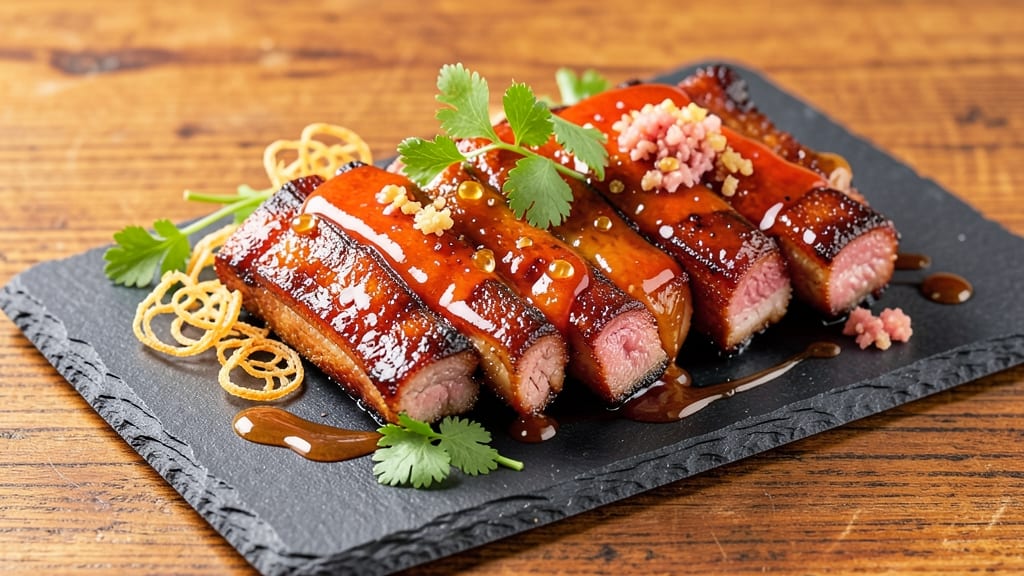
This Chinese sweet and sour pork ribs recipe delivers crispy bites with a tangy-sweet gloss that balances perfectly. 🔥 The secret lies in marinating the ribs with a blend of soy, honey, and aromatics before achieving that signature caramelized crust through careful braising and pan-frying.
I've perfected this technique over years of testing, ensuring every bite is tender yet crispy with a sauce that's both sticky and vibrant.
The process begins with preparing the ribs—removing excess fat and scoring the meat to help the marinade penetrate deeply. While the ribs cook, we build the sweet and sour sauce from scratch using pineapple juice, vinegar, and a touch of sugar to create that signature tangy-sweet balance.
The sauce isn't just poured over the ribs; it's reduced to a glossy finish that clings to every crispy edge.
By the time you serve these ribs, you'll have a dish that's restaurant-quality at home: tender meat with a crispy exterior, bathed in a glossy sauce that's perfectly balanced between sweet and sour.
The aroma alone will have everyone gathering around the table, and the first bite delivers on every promise of that iconic flavor combination.
Serve with steamed jasmine rice and stir-fried bok choy for a complete meal that's as satisfying as it is delicious. This recipe is designed to impress, whether you're cooking for family or hosting a dinner party. Let's get started on creating these unforgettable ribs.
Ingredients for chinese sweet and sour pork ribs
Crispy ribs and sticky-sweet sauce—just these 14 ingredients transform into restaurant-quality bites.
| Ingredient | Amount | Notes |
|---|---|---|
| Pork Ribs 🥓 | 2 ½ lb | Baby back ribs, excess fat trimmed |
| Soy Sauce 🍶 | ½ cup | High-quality, light or dark |
| Honey 🍯 | ¼ cup | Wildflower preferred for depth |
| Garlic Cloves 🧄 | 6 cloves | Minced, fresh preferred |
| Fresh Ginger 🌿 | ½ cup | Finely grated, peeled |
| Brown Sugar 🍚 | ¼ cup | Packed, light or dark |
| Pineapple Juice 🍍 | ½ cup | Fresh or canned, no sugar added |
| White Vinegar 💧 | ¼ cup | For tangy balance |
| Tomato Paste 🍅 | 2 tbsp | Smooth, no salt added |
| Cornstarch 🌾 | 2 tbsp | For sauce thickening |
| Vegetable Oil 🫒 | ½ cup | High smoke point for frying |
| Green Onions 🧅 | 4 whole | Sliced, for garnish |
| Salt 🧂 | 1 ½ tsp | Kosher or sea salt |
| Black Pepper 🌶️ | ½ tsp | Freshly ground |
The ribs are everything here. Baby back ribs give you that perfect balance of meat and fat—spare ribs work too, but they're meatier. Trim excess fat to avoid greasy sauce, but leave some for flavor. I always grab mine from Costco when they're on sale, but the regular supermarket pack works fine. For scoring, make cuts about half an inch deep, not too close to the bone, and work in one direction to avoid tearing. The marinade needs time to work—at least 2 hours, overnight if possible.
No honey? Maple syrup works in a pinch, but it's sweeter so reduce to 2 tbsp. Fresh ginger is ideal, but ground ginger at half the amount gets you close. The pineapple juice can be swapped for orange juice plus a splash of lime if you're out. For the sauce, cornstarch is non-negotiable—it gives that signature glossy finish. If you can't find unsweetened pineapple juice, use regular and cut the sugar by half. The tomato paste? Trader Joe's squeeze tubes are perfect here—no waste, and they keep for months in the pantry.
Marinated ribs keep 3 days in the fridge, covered. The sauce can be made ahead and reheated—just add a splash of water if it thickens too much. For leftovers, store ribs and sauce separately; reheat the sauce first, then ribs in it to keep everything moist. These ribs reheat beautifully—20 minutes at 300°F in the oven with a splash of water in the pan. Garnish with green onions right before serving, or they'll wilt in the sauce.
Why You'll Love This Recipe
- One-Pan Magic: I swear, the ribs go from raw to glazed perfection while you stir the sauce—no extra pans, no fuss. Just toss those ribs on a sheet, let the honey and soy caramelize, and boom. Done.
- Sweet-Savory Balance: That ginger-garlic punch cuts through the honey’s richness like a knife, but honestly? The ribs steal the show. Crispy edges, sticky glaze—it’s the kind of dish where everyone asks for seconds before the plate’s empty.
- Lunchbox Hero: Between us, this is my go-to for meal prep. The sauce clings to the ribs so well they reheat like a dream, and the sweet-sour flavor holds up for days. Pack a few for work, and you’ll be the office favorite.
- Budget Crunch-Saver: Pork ribs are cheaper than you think, and a single batch feeds four (or one very hungry person). Stretch it further by slicing leftovers for fried rice—trust me, they disappear just as fast.
Step-by-step instructions for Chinese sweet and sour pork ribs
Here's how to make ribs that are crispy on the outside and perfectly tender inside.
🔥 Step 1: Parboil the Ribs for Tenderness
Fill a large pot with enough water to cover the 2.5 lb pork ribs by 2 inches. Add 1.5 tsp salt and bring to a rolling boil over high heat. Once boiling, add the ribs and cook for 15-20 minutes until they're fork-tender but not falling apart.
This initial boiling step is crucial—it breaks down the connective tissue so the ribs become fork-tender without drying out. You'll know they're ready when a knife slides in easily and the meat pulls apart cleanly. Drain the ribs and let them cool slightly before proceeding.
🔥 Step 2: Deep-Fry for Crispy Perfection
Heat 0.5 cup vegetable oil in a deep skillet or Dutch oven over medium-high heat until it reaches 350°F—test with a wooden chopstick (it should sizzle when submerged). Working in batches if needed, carefully add the cooled ribs and fry for 3-4 minutes per side until they're deep golden brown and crispy.
Don't overcrowd the pan or the oil temperature will drop, leading to greasy ribs instead of crispy ones. I press down gently on the ribs during the first minute to prevent curling and ensure even contact with the hot oil. Once fried, transfer to a paper towel-lined plate to drain excess oil.
🍳 Step 3: Prepare the Tangy-Sweet Sauce
In a medium saucepan, combine 0.5 cup soy sauce, 0.25 cup honey, 0.25 cup brown sugar, 0.5 cup pineapple juice, 0.25 cup white vinegar, 2 tbsp tomato paste, and 6 cloves minced garlic. Bring to a boil over medium heat, then reduce to a simmer and cook for 10 minutes until slightly thickened.
Here's the thing—you want the sauce to coat the back of a spoon but still be pourable. If it thickens too quickly, add 1-2 tablespoons of water to maintain the right consistency. Stir in 0.5 cup finely grated fresh ginger and let it steep for 5 minutes to infuse the flavors.
🥘 Step 4: Coat and Glaze the Ribs
In a separate bowl, whisk together 2 tbsp cornstarch with 2 tablespoons of water to make a slurry. Slowly pour this into the simmering sauce while stirring constantly for 2-3 minutes until it thickens to a glossy, syrupy consistency. The sauce should coat the ribs beautifully without being gluey.
Add the crispy ribs to the sauce and toss gently to coat them evenly. Cover the pan and let it simmer on low heat for 5-7 minutes, turning the ribs occasionally, until they're fully glazed and the sauce clings perfectly. This is where all the magic happens—the crispy exterior stays intact while absorbing that sweet-tangy sauce.
🍽️ Step 5: Garnish and Serve
Transfer the ribs to a serving platter and garnish with 4 sliced green onions. For extra presentation, drizzle any remaining sauce over the top. Serve immediately with steamed rice or noodles to soak up that delicious sauce.
Each bite should deliver crispy, tender ribs with a perfect balance of sweet, tangy, and savory flavors. The ribs should be sticky but not soggy, with a glossy sheen from the sauce. If you have leftovers, store them in the fridge for up to 3 days—they reheat beautifully in the oven at 350°F for 10 minutes to restore crispiness.
Pro Tips For Making Chinese Sweet And Sour Pork Ribs
- CUT RIBS SMALLER THAN YOU THINK: I learned this the hard way—big chunks of pork ribs turn into chewy, uneven bites in sweet and sour sauce. Aim for 1-inch pieces or smaller, especially the meatier parts near the bone. They’ll cook faster and soak up the sauce better without falling apart.
- BLANCH RIBS FIRST: Skip the dry-roast step if you’re short on time, but don’t skip this: Parboil the ribs for 3–4 minutes in salted water before frying. It removes impurities, keeps the sauce from turning cloudy, and guarantees the ribs stay tender even after that long simmer in the tangy glaze.
- USE A 1:1 RATIO OF HONEY TO VINEGAR: That bottle of rice vinegar you grabbed? Measure it. Too much acid and your dish tastes harsh; too little and it’s just cloying. For every 2 tablespoons of honey, add 2 tablespoons of vinegar. Balance is everything—trust me, I’ve ruined batches both ways.
- DON’T RUSH THE SAUCE REDUCTION: I was skeptical until I tried it: Simmer the sauce uncovered on medium-low for at least 10 minutes. That’s when the garlic and ginger flavors meld instead of just burning off. If it sticks, splash in a little water—just enough to keep it glossy, not dilute. Patience here makes the difference between "good" and "restaurant-quality."
Perfect pairings for this chinese sweet and sour pork ribs
Rice Pairings
Steamed jasmine rice is my go-to side for these ribs—its delicate floral aroma complements the bold sauce without overpowering it. Use 1 cup uncooked jasmine rice per serving, cooked with 1.5 cups water and a pinch of salt.
For extra flavor, add 1 tsp sesame oil to the cooking water before steaming. The rice should be fluffy and slightly sticky to soak up that tangy-sweet sauce beautifully. 🍚
Stir-Fried Vegetables
Bright, crisp vegetables cut through the richness of the ribs perfectly. Try bok choy or Chinese broccoli stir-fried with 1 tbsp vegetable oil, 1 minced garlic clove, and a splash of light soy sauce. Cook for just 3-4 minutes over high heat to keep them vibrant.
The natural sweetness of the vegetables balances the tangy sauce, creating a complete meal. I often serve this with a sprinkle of toasted sesame seeds for crunch.
Mandarin Orange Salad
A refreshing citrus salad adds a bright contrast to the rich ribs.
Toss 3 cups mixed greens (like butter lettuce or spinach) with ½ cup mandarin orange segments, ¼ cup sliced almonds, and a dressing of 2 tbsp rice vinegar, 1 tbsp honey, and 1 tsp sesame oil.
The acidity of the dressing mirrors the sauce's tanginess, while the crunch of the almonds adds texture. This salad is especially refreshing during warm weather. 🍊
Fortune Cookies
No Chinese meal is complete without a sweet ending! I love serving homemade fortune cookies with these ribs. The crispy texture and subtle sweetness provide a satisfying contrast to the savory main.
For a shortcut, grab a pack of Taste of Home brand from your local grocery store—they’re always a crowd-pleaser. A dusting of powdered sugar adds an extra touch of elegance.
Tea Pairings
Jasmine tea is the perfect beverage to accompany these ribs—its floral notes enhance the dish’s complexity. Brew 2 tea bags in 2 cups hot water for 3-4 minutes to release the delicate aroma.
For a non-caffeinated option, try chrysanthemum tea, which has a light, slightly sweet flavor that complements the sauce. Avoid heavy, tannic teas like black tea, as they can clash with the dish’s brightness. 🍵
Nutrition facts
Frequently asked questions
Can I use spare ribs instead of baby back ribs?
Yes, you can absolutely use spare ribs! They're meatier and more flavorful, though they may require 5-10 extra minutes of cooking time to become tender. The key is to parboil them until fork-tender (25-30 minutes) before frying. Spare ribs have more connective tissue, so this extra time ensures they stay juicy while achieving that crispy exterior.
How do I adjust the sweetness level in the sauce?
For a less sweet version, reduce the honey and brown sugar to 2 tbsp each and increase the white vinegar to 3 tbsp. For extra sweetness, add 1 tbsp more honey and 1 tbsp more brown sugar. Always taste the sauce after simmering—you can balance it with a splash of vinegar if needed. The pineapple juice also adds natural sweetness, so adjust gradually.
Why did my ribs turn out greasy instead of crispy?
Greasy ribs usually happen when the oil temperature drops too low or the ribs aren't fully dried before frying. Make sure your oil reaches 350°F and fry in batches to maintain temperature. Pat the ribs completely dry with paper towels after parboiling—any moisture will cause the oil to splatter and prevent crispiness. Also, avoid overcrowding the pan.
Can I make the sauce ahead of time?
Yes! Prepare the sauce up to 2 days in advance and store it in an airtight container in the fridge. When reheating, warm it gently over low heat and add 1-2 tbsp water if it thickens too much. For the ribs, marinate them as directed but don't fry until you're ready to serve. The sauce can also be frozen for up to 3 months—thaw overnight in the fridge before using.
What's the best way to reheat leftover ribs?
Reheat ribs in the oven for the best results: place them on a baking sheet at 350°F for 10-15 minutes, drizzling with a little extra sauce. For crispiness, broil for the last 2 minutes. Microwaving works in a pinch, but it makes the ribs soggy. Always reheat sauce separately and toss it with the ribs just before serving to maintain that glossy finish.