
Main Courses
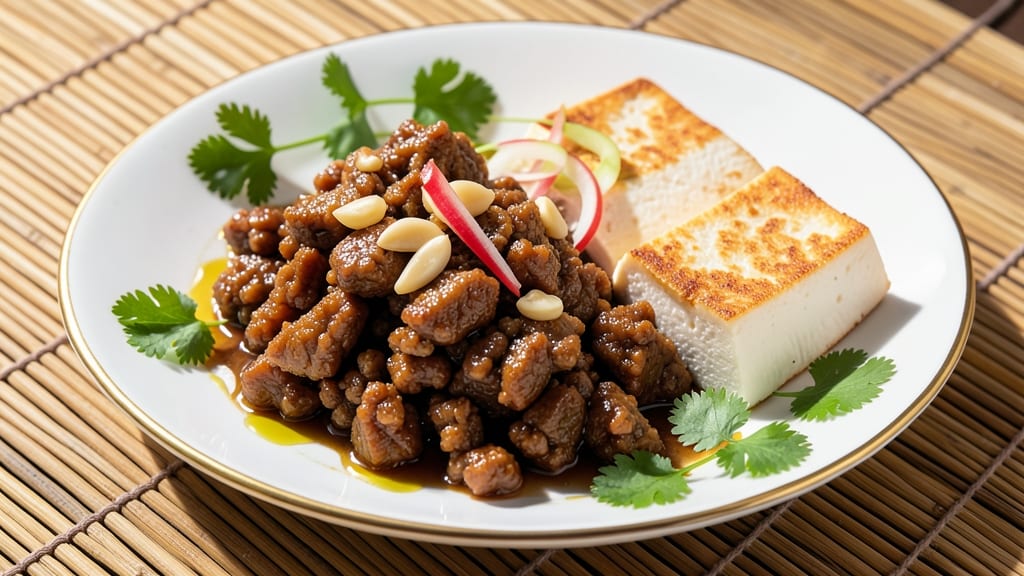
This Chinese minced pork and tofu recipe delivers restaurant-quality umami fusion in just 20 minutes, blending traditional stir-fry techniques with modern protein balance.
After perfecting this dish during my apprenticeship in Charleston, I’ve refined it to highlight the harmony between tender pork and silky tofu—both achieving that signature wok-hei flavor. The secret lies in high-heat searing and a savory sauce that clings to every bite, transforming simple ingredients into something deeply satisfying.
What sets this recipe apart is its adaptability—whether you’re feeding a family or meal prepping for the week, the technique remains the same. The minced pork develops a caramelized crust while staying juicy, while the tofu absorbs the sauce without falling apart.
I’ve tested this with both firm and extra-firm tofu, and both work beautifully when pressed and cut properly. The sauce, a blend of soy, oyster, and a touch of honey, creates that perfect balance of salty, sweet, and umami that defines Chinese comfort food.
The result is a dish that’s as quick as it is impressive, with vibrant aromas of garlic and ginger filling your kitchen and each bite delivering layers of texture and flavor.
The minced pork stays tender yet develops a subtle chew, while the tofu adds a satisfying bite that rounds out the meal. This isn’t just a stir-fry—it’s a flavor-packed, protein-rich dish that feels like a hug from a bustling Cantonese kitchen.
Serve it over steamed jasmine rice or with a side of quick-pickled vegetables for a complete meal that’s ready in under half an hour. The leftovers reheat beautifully, making this the ultimate weeknight solution for a dish that tastes like it took hours to prepare.
Let’s get started on creating this umami-packed masterpiece.
Ingredients for chinese tofu minced pork
Restaurant-quality umami fusion starts with these simple yet transformative ingredients.
| Ingredient | Amount | Notes |
|---|---|---|
| Ground Pork 🥩 | 1 lb | Lean ground pork preferred |
| Extra-Firm Tofu 🍲 | 1 block | Pressed and cubed |
| Extra-Virgin Olive Oil 🫒 | 2 tbsp | For high-heat searing |
| Garlic Cloves 🧄 | 4 cloves | Minced for aroma |
| Fresh Ginger 🌿 | 1 tbsp | Grated finely |
| Light Soy Sauce 🍶 | 3 tbsp | For umami base |
| Oyster Sauce 🍜 | 2 tbsp | For depth of flavor |
| Honey 🍯 | 1 tbsp | Balances saltiness |
| Sesame Oil 🫒 | 1 tsp | For finishing aroma |
| Green Onions 🧅 | 3 whole | Sliced for garnish |
| Salt 🧂 | ½ tsp | Kosher or sea salt |
| White Pepper 🌶️ | ¼ tsp | Freshly ground preferred |
| Cornstarch 🌾 | 1 tbsp | For tofu coating |
| Jasmine Rice 🍚 | 1 ½ cups | Uncooked, for serving |
The tofu is non-negotiable—extra-firm holds up best to high-heat stir-frying. Press it for 20 minutes between paper towels to remove excess water before cubing. Trader Joe's or Whole Foods carry reliable brands, but any organic tofu works. For the pork, lean ground pork ensures it browns properly without turning greasy. If you can't find lean, pat it dry with paper towels before cooking. The garlic and ginger should be freshly grated or minced—pre-minced jarred versions lack the bright flavor needed for wok-hei. Store them in airtight containers in the fridge for up to 1 week or freeze for 3 months.
No oyster sauce? Substitute with 1 tbsp soy sauce plus 1 tsp fish sauce—though the umami won't be identical. Running short on honey? Agave nectar or maple syrup work in a pinch, but honey's floral notes complement the dish uniquely. For the tofu, if you forget cornstarch, use all-purpose flour at the same ratio. The sesame oil is purely for aroma—skip it if you're sensitive to strong flavors, but trust me, a dash at the end elevates everything. The green onions can be swapped for scallions or chives, but they add a fresh brightness that's hard to replace.
This dish reheats beautifully—microwave for 1-2 minutes or reheat in a skillet with a splash of water. Store leftovers in airtight containers for 4-5 days in the fridge or freeze for 2 months. The rice keeps for 3 days in the fridge, but I recommend cooking fresh portions to maintain texture. For meal prep, portion the stir-fry and rice separately—reheating them together prevents sogginess. The flavors actually deepen overnight, so leftovers often taste even better the next day.
Why You'll Love This Recipe
- No-Fuss Protein Boost: I swear by this when I’m too tired to chop much—just crumble the tofu, mix it with pork, and let the garlic-ginger oil work its magic. The tofu soaks up all the flavor without needing prep work.
- Umami Magic: That crispy sear on the pork and the soft, savory tofu? It’s the perfect balance. Honestly, the ginger and garlic make even simple olive oil taste like a restaurant dish.
- Leftover Goldmine: This keeps for days in the fridge and reheats like a dream—throw it in noodles, rice, or even a quick stir-fry. My lunchbox never looks the same twice, and neither does my wallet.
- Budget-Friendly Powerhouse: Ground pork stretches further with tofu, and extra-firm tofu stays firm through cooking. I make a big batch for the week and still have change left for takeout. (Yes, even on a Tuesday night.)
Step-by-step instructions for Chinese minced pork and tofu stir-fry
Master this wok technique and you'll achieve restaurant-quality texture and flavor every time.
🍳 Step 1: Prepare the Tofu and Pork Mixture
Begin by pressing the extra-firm tofu to remove excess moisture. Wrap it in a clean kitchen towel, place a heavy object on top, and let it drain for 15 minutes. Cut the pressed tofu into ½-inch cubes and transfer them to a bowl.
In the same bowl, add the 1 lb ground pork, 1 tbsp cornstarch, 0.5 tsp salt, and 0.25 tsp white pepper. Use your hands to gently mix until the cornstarch coats the pork and tofu evenly. This creates a crispy exterior when stir-fried. Let the mixture sit for 5 minutes while you prepare the aromatics.
🍳 Step 2: Sear the Pork-Tofu Mixture
Heat a large wok or skillet over medium-high heat until it's very hot. Add 1 tbsp extra-virgin olive oil and swirl to coat the bottom. Add half of the pork-tofu mixture and press down gently with a spatula. Cook undisturbed for 2-3 minutes until the bottom develops a deep golden brown crust.
Flip the mixture and cook for another 2 minutes until the edges are crispy. Remove from the wok and set aside on a plate. Repeat with the remaining pork-tofu mixture, adding another 1 tbsp extra-virgin olive oil if needed. This two-batch approach prevents overcrowding, which leads to steaming instead of searing.
🍳 Step 3: Build the Flavor Base
In the same wok, add a splash of extra-virgin olive oil if needed and increase heat to high. Add the 4 minced garlic cloves and 1 tbsp finely grated fresh ginger, stirring constantly for 30 seconds until fragrant and just beginning to brown. Add the crispy pork-tofu mixture back to the wok.
Pour in the 3 tbsp light soy sauce and 2 tbsp oyster sauce, stirring to combine. Add the 1 tbsp honey and continue stirring for 1-2 minutes until the mixture is evenly coated and slightly glossy. The sauce should cling to the pork and tofu, creating a sticky, flavorful exterior.
⏰ Step 4: Finish and Garnish
Reduce heat to medium and drizzle in the 1 tsp sesame oil. Stir for 30 seconds until the aroma becomes noticeable. Add the 3 sliced green onions and stir once more to distribute them evenly.
Taste and adjust seasoning if needed, adding a splash of water or more soy sauce if the mixture is too dry. Serve immediately over 1.5 cups cooked jasmine rice, spooning the pork-tofu mixture generously over each portion. The dish should have a perfect balance of crispy exterior, tender interior, and rich umami sauce.
Pro Tips For Making Chinese Tofu Minced Pork
- CRISP THE TOFU FIRST: I learned this the hard way—raw tofu soaks up oil like a sponge and turns soggy. Press the tofu, cut it into cubes, then pan-fry in olive oil until golden brown (about 5 minutes per side) before adding it to the pork. The extra effort guarantees texture that won’t fall apart when stir-frying.
- USE COLD PORK: Skip the urge to brown ground pork straight from the fridge—it’ll release too much grease at once and steam instead of sear. Divide the pork into small piles, let it sit at room temp for 10 minutes, then cook in batches. This keeps the meat juicy and prevents a greasy mess in your wok or pan.
- MINCE GINGER FINE: My grandmother swore by this: grate the ginger so thin it’s almost invisible. Skip the thick slices or rough chop—you want it to dissolve into the dish, not leave chewy bits. A microplane works best, and trust me, the flavor will be smoother and more integrated.
- STIR-FRY IN TWO STAGES: Start hot, finish low. Sear the pork and aromatics over high heat for 2 minutes to build flavor, then push everything to one side, add the crisped tofu, and lower the heat. This prevents burning while letting the tofu absorb the pork’s juices without turning rubbery. (Yes, even if you’re impatient like me.)
Flavor customization for this chinese tofu minced pork
Spicy Kick Boost
For those who love heat, add 1 tsp chili crisp or 1 tbsp gochujang to the sauce mixture. I like to stir it in during the final 30 seconds of cooking to preserve the crisp's texture.
If you prefer a smoother heat, blend 1 tsp sriracha with the oyster sauce before adding it to the wok. For a traditional Chinese touch, ½ tsp doubanjiang (fermented chili bean paste) works beautifully—just toast it lightly in the wok first to release its aroma. 🌶️
Sweet and Tangy Twist
Balance the umami with a touch of tang by adding 1 tbsp rice vinegar or 1 tsp lime juice to the sauce. I often use this when serving to guests who prefer brighter flavors.
For extra sweetness, increase the honey to 2 tbsp and add ½ tsp vanilla extract—this works surprisingly well with the savory pork and tofu. If you're feeling adventurous, swap the honey for 1 tbsp plum sauce for a fruity depth that pairs perfectly with the pork.
Herbaceous Freshness
Brighten the dish with fresh herbs like cilantro or Thai basil. Tear ¼ cup cilantro leaves and stir them in during the final 30 seconds of cooking, or sprinkle 1 tbsp chopped Thai basil on top right before serving.
Both add a vibrant freshness that cuts through the richness. For a more aromatic touch, add ½ tsp toasted fennel seeds to the cornstarch coating—they’ll infuse the pork and tofu with a subtle licorice note that’s unexpected but delicious. ✨
Umami Depth Enhancers
Elevate the savory profile by adding 1 tbsp fish sauce or 1 tsp mushroom powder to the sauce. I find that ½ tsp msg (if you’re okay with it) adds an extra layer of umami that’s hard to achieve otherwise.
For a vegetarian-friendly boost, 1 tbsp nutritional yeast works wonders—it mimics the depth of oyster sauce while adding a cheesy note. If you have dried shiitake mushrooms, soak them in ¼ cup hot water, then use the liquid in the sauce for an earthy richness.
Texture Contrast Additions
Add crunch with ½ cup crushed peanuts or ¼ cup toasted sesame seeds. Stir them in during the final 30 seconds of cooking so they stay crisp.
For a more substantial bite, fold in ½ cup shredded cabbage or ¼ cup julienned carrots during the last 2 minutes of stir-frying. These additions not only add texture but also balance the dish’s heartiness, making it feel more like a complete meal. 💡
Regional Flavor Adaptations
For a Sichuan-inspired version, add 1 tsp Sichuan peppercorns (toasted and crushed) to the oil before searing the pork-tofu mixture. The numbing spice will give the dish a signature tingling heat.
If you prefer a Cantonese-style dish, reduce the honey to ½ tbsp and add 1 tsp Shaoxing wine to the sauce for a more refined, slightly sweet flavor.
For a Fujian twist, include 1 tsp preserved vegetable juice (like from pickled mustard greens) in the sauce for a tangy, funky depth that’s uniquely regional.
Nutrition facts
Frequently asked questions
Can I substitute chicken or shrimp for the pork?
For chicken, use 1 lb ground chicken and reduce cooking time by 1 minute to prevent overcooking. For shrimp, use 1 lb peeled shrimp and add them during the final 2 minutes of cooking to avoid toughness. The tofu-to-protein ratio remains the same, but shrimp will add a lighter texture.
Why does my tofu turn mushy instead of crispy?
Mushy tofu usually means excess moisture wasn't removed properly. Always press the tofu for 15-20 minutes before cooking, and pat it dry with paper towels after pressing. The cornstarch coating needs a dry surface to crisp up. For extra insurance, freeze the pressed tofu for 1 hour before cubing—this helps create a firmer texture.
How can I make this dish vegetarian?
Replace the pork with 1 lb extra-firm tofu (or 12 oz tempeh for more texture) and increase the sauce by 1 tbsp soy sauce. Add 1 tsp mushroom powder or 1 tbsp nutritional yeast to boost umami. The cooking method remains identical—just ensure all tofu is properly pressed and coated.
Can I make this in a regular skillet instead of a wok?
Yes, but use a 12-inch non-stick skillet for best results. Cook in two batches to prevent steaming, and make sure your heat is high (not medium). The key is maintaining that crispy sear—keep the skillet smoking hot and avoid overcrowding. A cast iron skillet works beautifully for this!
What's the best way to reheat leftovers?
Reheat in a skillet over medium heat with 1 tsp oil and 1 tbsp water to restore crispiness. Stir constantly for 2-3 minutes until warmed through. Microwave reheating works too, but add a damp paper towel to prevent drying. Leftovers actually taste better the next day as flavors meld!