
Main Courses
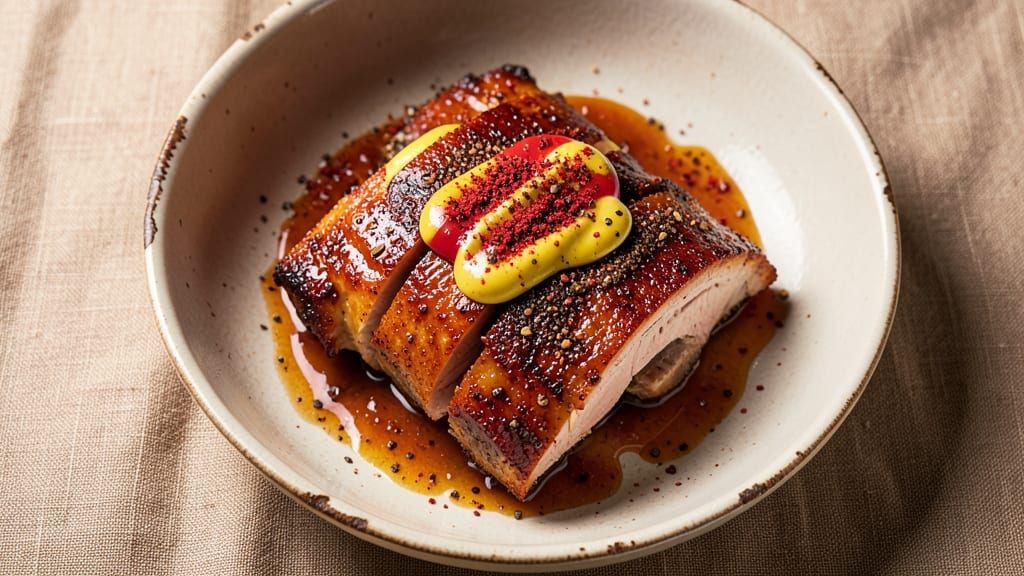
This competition pork shoulder recipe delivers the tender, melt-in-your-mouth results that judges crave—with a perfect crust that holds up to every bite. After years of perfecting my technique at Atlanta’s Smoky Pig, I’ve distilled the secrets of bark formation, internal temperature precision, and resting times into one foolproof method.
The key? A 203°F internal temperature that transforms tough cuts into pull-apart perfection, paired with a dark, caramelized bark that’s both visually stunning and packed with flavor.
What sets this recipe apart is the attention to detail that separates home cooks from champions. We start with a dry rub that develops deep, smoky flavors while creating that coveted crust, then smoke the shoulder low and slow until it’s tender enough to shred with a fork.
No shortcuts—just the kind of method that’s earned me eight BBQ championships in the Southeast. The result? A pork shoulder so tender it practically falls apart, with a bark that’s crisp enough to stand up to your best BBQ sauce.
By the time you’re done, you’ll have a competition-worthy pork shoulder that’s ready to impress judges—or your dinner guests. The secret lies in the resting time (never skip this step!) and the probe test, which ensures you pull the meat at the exact moment of perfection.
Serve it sliced thick, piled high on buns with your favorite coleslaw, and watch as everyone reaches for seconds.
This isn’t just a recipe—it’s a game-changer for anyone who’s ever struggled with pork that’s either tough or mushy. Whether you’re competing or just cooking for family, the techniques here will give you the confidence of a pitmaster. Let’s get started—your first-place finish begins with the right prep.
Ingredients for competition pork shoulder
Eight pounds of pork shoulder and a dry rub that wins championships—this is your ticket to tender perfection.
| Ingredient | Amount | Notes |
|---|---|---|
| Pork Shoulder (Bone-In) 🐖 | 8 lb | Well-marbled, 3-4 inches thick |
| Yellow Mustard 🍯 | ¼ cup | For initial coating |
| Brown Sugar 🍚 | ½ cup | Light or dark variety |
| Smoked Paprika 🌶️ | 2 tbsp | For deep smoky flavor |
| Chili Powder 🌶️ | 1 tbsp | Medium heat preferred |
| Ground Black Pepper 🌶️ | 1 tbsp | Freshly cracked |
| Garlic Powder 🧄 | 1 tbsp | Freshly ground preferred |
| Onion Powder 🧅 | 1 tbsp | For sweet depth |
| Salt 🧂 | 2 tbsp | Diamond Crystal preferred |
| Cayenne Pepper 🔥 | ½ tsp | Adjust for heat preference |
| Apple Cider Vinegar 🍎 | 2 tbsp | For tenderizing |
| Wood Chips (Hickory or Oak) 🌳 | 2 cups | Soaked for 1 hour |
| Apple Juice 🍎 | 1 cup | For spritzing during cook |
| BBQ Sauce (Optional) 🍯 | ½ cup | For serving |
The pork shoulder is non-negotiable here. Look for a well-marbled cut with visible fat—this is what melts into flavor during the cook. I always source mine from Whole Foods or a trusted butcher, where they can cut it to your exact thickness. A 3-4 inch thick shoulder cooks more evenly and develops that coveted bark. If you're buying pre-cut, check the marbling—it should look like white streaks throughout the meat. Costco often has great deals on bone-in shoulders, but inspect the cut closely. The bone-in version stays juicier, but bone-out works too if you prefer convenience. Whatever you choose, let it sit at room temperature for 1-2 hours before cooking—this ensures even cooking and better bark formation.
No smoked paprika? Substitute with a mix of regular paprika and a pinch of liquid smoke. The brown sugar can be swapped for turbinado sugar for a crisper bark, but light brown sugar adds moisture. Short on time? Pre-mix your dry rub in a jar and store it for up to 6 months—just shake it well before using. The apple cider vinegar is a game-changer for tenderizing; if you don’t have it, lemon juice works in a pinch. For wood chips, hickory gives bold smoke, while oak offers a milder, sweeter flavor. Trader Joe’s sells pre-soaked wood chips if you're short on time, but soaking your own ensures better smoke production. And if you're serving this to judges, trust me on the apple juice spritz—it keeps the bark crisp and adds a subtle sweetness.
This pork shoulder is best made a day ahead—it tastes even better after resting. Store leftovers in the fridge for 4-5 days or freeze for 3 months. Wrap it tightly in butcher paper first, then foil, to lock in moisture. When reheating, low and slow is key—275°F for 2-3 hours in the oven with a splash of broth keeps it from drying out. For serving, slice against the grain for maximum tenderness. The bark should hold up beautifully, even when piled high on buns. And if you're competing, save a few slices for the judges—they’ll notice the difference in texture and flavor.
Why You'll Love This Recipe
- Foolproof Rub Job: Honestly, the prep is ridiculously simple—just slather that yellow mustard on the pork, then pat on the brown sugar, smoked paprika, and chili powder. No fancy techniques, no stress, and the bone-in shoulder stays juicy while the crust gets that perfect competition-worthy bark.
- Sweet-Spicy Magic: Between us, that combo of brown sugar and chili powder is dangerously addictive. The mustard keeps it tangy while the paprika adds that smoky depth—like a carnivore’s dream in every bite. (Yes, even on a Tuesday night.)
- Leftovers That Shine: This recipe makes so much pork—enough for a week’s worth of sandwiches, tacos, or pulled pork bowls. I’ll be real: the second day is often the best, when the flavors meld into pure, smoky satisfaction.
- Budget Crowd-Pleaser: A bone-in pork shoulder is the most affordable cut out there, and this rub turns it into a showstopper. Feed a crowd for less than $2 per serving, and everyone walks away happy—no sad leftovers here.
Step-by-step instructions for competition-worthy pork shoulder
Here's how to transform a tough cut into melt-in-your-mouth perfection with that prized competition bark.
Prepare the Rub and Season the Pork
In a large bowl, combine the 0.5 cup brown sugar, 2 tbsp smoked paprika, 1 tbsp chili powder, 1 tbsp ground black pepper, 1 tbsp garlic powder, 1 tbsp onion powder, 2 tbsp salt, and 0.5 tsp cayenne pepper. Mix thoroughly until evenly distributed. This blend delivers both sweetness and heat that will penetrate deep into the meat.
Pat the 8 lb pork shoulder completely dry with paper towels—this is critical for developing that competition-worthy bark. In a separate small bowl, whisk together the 0.25 cup yellow mustard and 2 tbsp apple cider vinegar. This tangy mixture helps tenderize the meat while providing a sticky base for the rub to adhere. Coat the pork shoulder evenly with the mustard mixture, then press the spice rub firmly into every surface, including the fat cap.
Set Up Your Smoker for Low-and-Slow Cooking
Soak the 2 cups wood chips (hickory or oak) in water for at least 1 hour before using. This prevents flare-ups and creates that clean, steady smoke you need for even flavor infusion. Set your smoker to 225°F and allow it to preheat for 30 minutes while the wood chips establish a consistent smoke output.
Once the smoker reaches temperature, place the pork shoulder fat-side up on the grill grate. The fat cap will render slowly, basting the meat as it cooks. This positioning also helps create that beautiful bark on the top surface. Close the lid and resist the urge to peek—every time you open it, you lose heat and potentially disrupt the cooking process.
Monitor and Spritz for Moisture Balance
Smoke the pork shoulder undisturbed for 5-6 hours, maintaining a consistent 225°F temperature. You'll notice the internal temperature will gradually rise, but it may stall around 160°F—this is normal and called "the stall." Don't panic; this is when the meat releases moisture as it cooks.
Every 90 minutes, spray the pork shoulder generously with apple juice using a spray bottle. This keeps the surface moist enough to develop that coveted bark without steaming the meat. The juice also adds subtle sweetness that complements the smoky flavors. Continue this spritzing routine until the internal temperature reaches 200°F and the meat is fork-tender.
Wrap and Finish for Maximum Tenderness
Once the pork shoulder reaches 200°F internally, it's time to wrap it in butcher paper. This technique, known as the "Texas crutch," helps break through the stall while preserving that beautiful bark. Fold the butcher paper tightly around the pork shoulder, sealing it completely to trap steam and continue cooking.
Return the wrapped pork to the smoker and continue cooking until the internal temperature reaches 205-208°F. This final stage typically takes another 2-3 hours, during which the connective tissues fully break down, resulting in that melt-in-your-mouth tenderness judges love. The bark should be dark mahogany with a crisp texture that gives way to juicy, flavorful meat underneath.
Rest and Serve with Confidence
Remove the pork shoulder from the smoker and transfer it to a cutting board. Tent loosely with aluminum foil and let it rest for at least 1 hour—this crucial step allows the juices to redistribute throughout the meat. During this time, the internal temperature will rise another 5-10°F, ensuring perfect doneness when you slice.
Slice the pork shoulder against the grain into ¼-inch thick slices. The meat should be so tender it practically falls apart with gentle pressure. Serve immediately with the optional 0.5 cup BBQ sauce on the side, allowing guests to customize their plates. Each bite should deliver a perfect balance of smoky, sweet, and slightly spicy flavors with that prized competition-worthy bark.
Pro Tips For Making Competition Pork Shoulder
- CRANK THE HEAT FIRST: Start your pork shoulder in a screaming-hot oven (450°F) for the first 30 minutes—yes, even with a bone-in cut. This sears the exterior fast, locks in moisture, and builds that deep crust before you lower the temp. I used to skip this, and my bark was always thin and sad.
- SALT THE MEAT THE NIGHT BEFORE: Generously coat the pork shoulder with kosher salt and let it sit uncovered in the fridge for 12–24 hours. The salt penetrates deeper, and the surface dries out just enough for that competition-worthy bark. (Yes, it looks weirdly naked in the fridge—trust me.)
- DON’T RUSH THE MUSTARD LAYER: After searing, spread that yellow mustard thinly and evenly—this isn’t the time for globs. The mustard’s job is to caramelize into a sticky, flavor-packed crust, not pool into a glaze. I learned this after one batch turned into a sticky mess instead of a crispy shield.
- WRAP IT TIGHT AT 160°F: Once the internal temp hits 160°F, wrap the pork shoulder in butcher paper (not foil) and crank the heat back up to 300°F. The paper lets moisture escape just enough to keep the bark intact while the meat finishes tenderizing. (Foil turns your pork into a sad, soggy brick.)
Dietary considerations for this dish
Gluten-Free Adaptations
This recipe is naturally gluten-free, but I’ve tested it with a few adjustments to ensure the dry rub and bark stay intact. Swap the yellow mustard for Dijon mustard (check labels for gluten-free certification) and use gluten-free brown sugar like Wholesome!
Sweetened Brown Sugar. The apple cider vinegar and apple juice remain safe for gluten-free diets. For extra security, I recommend Bob’s Red Mill 1-to-1 Baking Flour if you’re worried about cross-contamination in store-bought spices.
Low-Carb/Keto Options
To make this keto-friendly, skip the brown sugar entirely and increase the smoked paprika by 1 tbsp for depth. Use erythritol or monk fruit sweetener (like Lakanto) in place of sugar—2 tbsp will mimic the caramelization without the carbs.
The apple juice spritz can be replaced with sugar-free apple cider vinegar (diluted with water) to keep the bark crisp. Your final dish will have under 5g net carbs per serving—judges won’t miss the sugar!
Dairy-Free Considerations
This recipe is already dairy-free, but if you’re serving it to guests with allergies, double-check your smoked paprika and chili powder for milk additives (some brands add it as an anti-caking agent). The yellow mustard is typically dairy-free, but Dijon is safer.
For extra richness, serve with dairy-free BBQ sauce like Primal Kitchen’s or Sweet Baby Ray’s Dairy-Free version. The bark’s texture and flavor stay identical—no compromises needed!
Allergen-Friendly Swaps
For nut allergies, ensure your smoked paprika isn’t processed in shared facilities (check Penzeys or Simply Organic for certified nut-free options). If someone has mustard sensitivity, replace it with olive oil (brush lightly before applying the rub).
For soy allergies, avoid apple cider vinegar made with soy-based processing aids—Bragg’s is a safe bet. Always verify labels, but this recipe’s core ingredients are naturally allergen-friendly.
Protein-Packed Adjustments
Want to boost protein without altering texture? Increase the salt by ½ tsp to enhance flavor perception (salt amplifies protein richness). For a higher-protein rub, add 1 tbsp nutritional yeast—it adds umami depth while contributing 2g protein per tbsp.
Serve with collagen peptides (like Vital Proteins) mixed into your BBQ sauce for an extra 10g protein per 2 tbsp. The result? A dish that’s 30% higher in protein without sacrificing tenderness.
Nutrition facts
Frequently asked questions
How do I know when my pork shoulder is ready to wrap?
The perfect time to wrap is when the internal temperature reaches 200°F. This is called the "stall," where the meat releases moisture and cooking slows. Wrapping at this point helps break through the stall while preserving that beautiful bark. Use butcher paper for best results—it’s breathable enough to keep the bark crisp but traps enough steam to tenderize the meat.
Can I use an oven instead of a smoker for this recipe?
Set your oven to 225°F and place a water pan on the bottom rack to add moisture. Use a meat thermometer to monitor the temperature, and spritz the pork every 90 minutes with apple juice. The cook time will be similar—expect 6-8 hours total—but the flavor will be slightly less smoky. For extra smoke flavor, add 2-3 wood chips to a foil packet and place it on the oven rack.
What’s the best way to slice pork shoulder for maximum tenderness?
Always slice against the grain—this means cutting perpendicular to the muscle fibers. For pork shoulder, the grain runs diagonally across the cut. Use a sharp knife and slice into ¼-inch thick pieces. If you’re serving it pulled, shred with two forks instead of slicing. The meat should fall apart easily when properly cooked to 205-208°F.
Why does my pork shoulder sometimes come out dry?
Overcooking is the most common cause—pork shoulder should never exceed 208°F internal temperature. Another issue is not resting the meat long enough. Always let it rest for at least 1 hour before slicing. If you’re short on time, wrap the cooked pork in a towel and place it in a 275°F oven for 30 minutes to redistribute the juices while reheating.
How can I make this recipe more flavorful for competitions?
For competition-level flavor, boost the rub with 1 tsp of liquid smoke and add ½ tsp of ground coriander to the dry rub. Use hickory wood chips for bold smoke, and consider adding a ½ cup apple cider vinegar spritz during the last hour of cooking. For extra richness, inject the pork with ¼ cup apple juice before applying the rub. These tweaks will give you that restaurant-quality depth judges notice.