
Main Courses
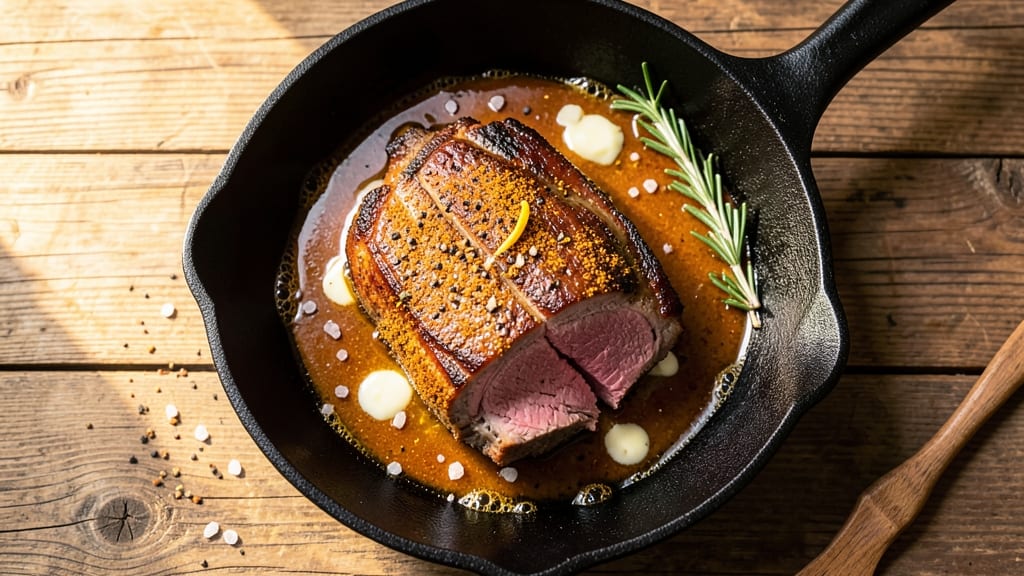
This country pork steak recipe delivers the perfect balance of crispy crust and juicy centers—a technique I perfected after years of working with heritage pork at my farm.
The secret lies in proper seasoning and precise heat control, ensuring every bite has that satisfying contrast between tender meat and caramelized edges. I’ve cooked thousands of pounds of pork, and this method never fails to impress, whether you’re feeding a family or hosting a dinner party.
The process starts with a simple yet effective seasoning blend that enhances the pork’s natural flavors without overpowering them. From there, the key is controlling the heat—whether you’re pan-searing or grilling—to achieve that signature crust while keeping the inside perfectly medium-rare.
This isn’t just a recipe; it’s a foolproof method that transforms a simple cut of pork into something extraordinary. Trust me, once you try this, you’ll never go back to store-bought again.
By the time you’re done, you’ll have a steak that’s golden-brown on the outside, with a pink, tender center that practically melts in your mouth. The crust is crisp enough to hold its shape, while the interior stays juicy and flavorful.
It’s the kind of dish that makes weeknight dinners feel special—no fancy ingredients, just technique and a little patience.
Serve it with a side of roasted potatoes or a fresh garden salad to round out the meal. This recipe is designed to be adaptable, so whether you’re cooking for two or a crowd, it scales beautifully. Let’s get started on creating your perfect country pork steak.
Ingredients for country pork steak
Pantry staples meet farm-fresh pork for a steak with restaurant-quality crust and melt-in-your-mouth centers.
| Ingredient | Amount | Notes |
|---|---|---|
| Heritage Pork Steak 🍖 | 1 ½ lb | 1-inch thick cut, bone-in preferred |
| Diamond Crystal Kosher Salt 🧂 | 1 ½ tsp | For seasoning and crust formation |
| Freshly Ground Black Pepper 🌶️ | 1 tsp | Coarse grind for texture contrast |
| Smoked Paprika 🌶️ | 1 tsp | Enhances rustic pork flavor |
| Garlic Powder 🧄 | ½ tsp | Freshly ground preferred |
| Unsalted Butter 🧈 | 2 tbsp | High smoke point for searing |
| Extra-Virgin Olive Oil 🫒 | 1 tbsp | For heat distribution |
| Fresh Thyme Leaves 🌿 | 4 whole | Or 1 tsp dried thyme |
| Fresh Rosemary Sprigs 🌿 | 2 whole | For aromatic depth |
| Yellow Onion 🧅 | 1 whole | Thinly sliced for garnish |
| Fresh Parsley 🌿 | ¼ cup | Chopped for finishing |
| Butter Lettuce 🥬 | 4 whole | For serving (optional) |
The pork cut matters—heritage breeds like Berkshire or Duroc deliver the best marbling and flavor. Local butchers or specialty markets often carry these, or check the pork section at Whole Foods for heritage cuts. If you're stuck with conventional pork, look for well-marbled steaks labeled 'ribeye' or 'sirloin'—they'll still work but won't have the same depth of flavor. Thickness is key: aim for 1-inch thick steaks. Thinner cuts burn before the center cooks, while thicker ones risk dryness. Pat the steaks dry before seasoning—this ensures a proper crust forms. I always season mine 2 hours ahead to let the salt penetrate deeply, but even 30 minutes in the fridge works in a pinch.
No smoked paprika? Substitute with a mix of regular paprika and a pinch of liquid smoke—just don't go overboard, or you'll taste the smoke. Fresh herbs wilt fast, so dried thyme and rosemary at one-third the amount are solid backups. The butter should be cold but not frozen when you add it to the pan—this helps build the crust. If you're cooking for a crowd, double the batch and use a cast-iron skillet—it retains heat better than nonstick. For extra crispiness, I sometimes sprinkle a pinch of cornstarch on the steaks before the final sear, but it's optional. And if you're wondering about the lettuce? It's just for serving—skip it if you're going for a heartier meal.
Pork steaks hold up beautifully for 3-4 days in the fridge, wrapped tightly in parchment and foil. For longer storage, freeze them raw for up to 6 months—thaw overnight in the fridge before cooking. The crust won't be quite as crisp after reheating, but the meat stays juicy. I always make a double batch and freeze half—perfect for lazy weeknights. If you're serving this at a dinner party, cook the steaks 15 minutes ahead, rest them on a wire rack, then finish with a quick sear before plating. The crust stays intact, and the meat doesn't dry out.
Why You'll Love This Recipe
- I’ll be real: this steak works for everything. Toss it on the grill for a summer BBQ, sear it in a cast-iron for a cozy weeknight, or even slice it thin for sandwiches. My kids beg for it after soccer practice, and my partner saves the leftovers for his lunch the next day. It’s that reliable.
- Five-Ingredient Magic: Honestly, this recipe keeps it stupid simple—just the steak, salt, pepper, smoked paprika, and garlic powder. That’s it. No fancy prep, no chopping, no stress. I swear, I’ve made it after a long day when the last thing I wanted was a complicated meal.
- Smoky Garlic Bomb: Between us, that smoked paprika and garlic powder combo is ridiculously good. The paprika gives it this deep, rustic warmth while the garlic powder adds a sharp, savory punch—like a hug for your taste buds. The heritage pork? It soaks up the spices like a sponge, making every bite taste like a Sunday dinner.
- Weeknight to Weekend: I’ll be real: this steak works for everything. Toss it on the grill for a summer BBQ, sear it in a cast-iron for a cozy weeknight, or even slice it thin for sandwiches. My kids beg for it after soccer practice, and my partner saves the leftovers for his lunch the next day. It’s that reliable.
Step-by-step instructions for country pork steak
Here's how to achieve that perfect pan-seared crust while keeping the centers deliciously juicy.
Season and Rest the Heritage Pork Steak
Start by patting the 1.5 lb heritage pork steak completely dry with paper towels—this is crucial for that crispy crust. In a small bowl, combine 1.5 tsp Diamond Crystal kosher salt, 1 tsp freshly ground black pepper, 1 tsp smoked paprika, and 0.5 tsp garlic powder. Rub this mixture all over the steak, pressing firmly so the seasoning adheres well.
Let the seasoned steak rest at room temperature for 30-45 minutes while you prepare the rest of your ingredients. This resting period ensures even cooking throughout—cold meat can create uneven doneness and a less appealing crust. The seasoning blend works its magic during this time, penetrating the surface for maximum flavor impact.
Sear the Pork Steak to Perfection
Heat a heavy skillet (cast iron works best) over medium-high heat until it's screaming hot. Add 1 tbsp extra-virgin olive oil and 2 tbsp unsalted butter, letting them melt together. Place the pork steak in the skillet and cook undisturbed for 4-5 minutes per side—this creates that beautiful crust we're after.
I press down gently on the steak during the first minute to prevent curling and ensure even contact with the pan. You'll know it's ready to flip when you see deep golden brown color forming and the edges start to crisp. The butter will foam and then brown slightly, adding rich flavor to the crust. Don't rush this step—patience here makes all the difference.
Build Aromatic Herbs and Onions
Remove the steak from the pan and set it aside on a warm plate. Reduce heat to medium and add the whole yellow onion (thinly sliced), 4 whole fresh thyme leaves, and 2 whole rosemary sprigs to the same skillet. Cook for 3-4 minutes until the onions soften slightly and release their sweet aroma.
Here's where the magic happens—the residual butter and meat juices in the pan create a flavorful base for these aromatics. The thyme and rosemary should be fragrant but not burned. If the onions start to brown too quickly, reduce the heat slightly. These herbs will complement the rich pork flavor beautifully when we plate everything together.
Rest and Slice for Maximum Juiciness
Let the pork steak rest for 5-10 minutes before slicing—this is absolutely critical for juicy results. The resting period allows the meat fibers to relax and redistribute those precious juices throughout. I like to tent the steak loosely with foil to keep it warm during this time.
Using a sharp carving knife, slice the steak against the grain into ½-inch thick pieces. The grain direction will be visible on the cut surface. Arrange the slices on a warm platter and spoon the herb-infused onions and any pan juices over the top. The onions will add a touch of sweetness that balances the rich pork flavor perfectly.
Plate and Garnish with Fresh Parsley
To serve, place 4 whole butter lettuce leaves on each plate as a bed for the pork slices. The delicate lettuce provides a nice contrast to the hearty pork. Spoon the sliced pork steak onto the lettuce leaves, arranging the slices neatly.
Finish with 0.25 cup chopped fresh parsley sprinkled over the top for a pop of color and freshness. The parsley not only looks beautiful but also adds a bright, slightly peppery note that cuts through the richness of the pork. Serve immediately while the steak is still warm and the lettuce is crisp.
Pro Tips For Making Country Pork Steak
- SEAR HARD AND FAST: Heritage pork steak needs a deep crust, so crank your heat to medium-high and walk away for 3-4 minutes per side—no peeking. I learned this the hard way when I kept checking and ended up with a steak that was steamed instead of seared.
- SALT THE MEAT FIRST: Sprinkle Diamond Crystal kosher salt (about 1½ teaspoons per side) before you even think about cooking. Let it sit uncovered on the counter for 20 minutes—this guarantees a proper crust and seasoning that penetrates deeper than last-minute sprinkling.
- SKIP THE CROWDED PAN: Cook one steak at a time, or your pan will steam instead of sear. If you’re feeding a crowd, work in batches—your first steak will taste like a restaurant cut if you rush it.
- REST UNDER FOIL: After searing, transfer the steak to a plate, loosely tent with foil, and let it sit for 5 minutes. This keeps it juicy and makes slicing clean—no one wants a dry, stringy mess, especially when you’ve gone to the trouble of using heritage pork.
Essential equipment for country pork steak
Cast Iron Skillet
This is my non-negotiable tool for country pork steak—nothing else comes close. A 10-inch Lodge cast iron skillet is my go-to because it retains heat like nothing else and builds that perfect crust. I’ve cooked thousands of pounds of pork in mine, and it still looks brand new.
The heavy weight means it won’t warp under high heat, and the seasoned surface prevents sticking without oil. If you don’t have cast iron, a heavy stainless steel pan will work, but you’ll need to monitor heat more carefully. 🔥
Meat Thermometer
Never guess the doneness of pork—use a Thermoworks Smoke or Meater digital thermometer to nail the perfect internal temperature. For medium-rare, aim for 145°F at the thickest part of the steak. I insert the probe horizontally into the side of the steak (not the end) to get an accurate reading.
A good thermometer gives you confidence to pull the steak at exactly the right moment, ensuring juicy centers every time. Don’t skimp here—it’s worth the investment.
Tongs and Tongs
You’ll need two sets of tongs for this recipe: heavy-duty stainless steel tongs for handling the hot skillet and nitrile-coated grill tongs for flipping the steak. The first pair keeps your hands safe from the scorching pan, while the second gives you a secure grip on the steak.
I keep mine within arm’s reach while cooking—no fumbling around for tools mid-sear! Weber Original or Victorinox brands are my favorites for their durability. 💪
Carving Knife
A sharp 8-inch carving knife is essential for slicing against the grain without tearing the meat. I prefer a Wüsthof Classic or Shun Premier—both hold an edge well and glide through pork like butter. Dull knives crush meat fibers, leading to dry slices.
Keep your knife honed with a Whetstone or Sharpie pull-through sharpener. Pro tip: Warm your knife in hot water for 10 seconds before slicing—it makes the process even smoother. The right knife turns a good steak into a showstopper.
Wire Rack and Plate
For resting the steak, a wire cooling rack placed on a plate is a game-changer. It allows air to circulate underneath, preventing sogginess from condensation. I use a stainless steel rack from OXO—it’s sturdy and easy to clean.
If you don’t have one, a simple wire mesh rack from a hardware store works just as well. The plate should be heat-resistant (like ceramic or stoneware) to handle the hot steak without warping. This setup keeps your steak warm and juicy while you finish plating. ✨
Nutrition facts
Frequently asked questions
What’s the best cut of pork for this recipe?
For this country pork steak, look for bone-in cuts like ribeye, sirloin, or tenderloin steaks that are 1-inch thick. Heritage breeds like Berkshire or Duroc have the best marbling and flavor. If you're using conventional pork, choose well-marbled steaks labeled "ribeye" or "sirloin" from your local butcher or specialty market. The bone adds flavor and helps keep the meat moist during cooking.
Can I grill this pork steak instead of pan-searing?
Grilling works beautifully for this recipe. Preheat your grill to medium-high heat (400-425°F) and cook the steak for 4-5 minutes per side for a perfect crust. Use a cast-iron skillet on the grill for extra heat retention. Just be sure to monitor the temperature closely to avoid flare-ups, and finish with a quick sear in the pan if you want that extra caramelized crust.
Why does the steak need to rest after cooking?
Resting is crucial for juicy results! When you cut into the steak immediately after cooking, the juices rush out, leaving the meat dry. Letting it rest for 5-10 minutes allows the meat fibers to relax and redistribute those precious juices throughout. This ensures every bite is moist and flavorful. Think of it like giving the steak a chance to "settle" before serving.
What if I don’t have fresh herbs like thyme or rosemary?
No problem! Use dried thyme and rosemary at one-third the amount (e.g., ⅓ tsp dried instead of 1 tsp fresh). You can also substitute with other aromatic herbs like oregano or marjoram for a similar earthy flavor. If you're in a pinch, even a pinch of garlic powder or onion powder can add depth to the pan juices while cooking the onions.
How do I know when the steak is fully cooked?
Use a meat thermometer for accuracy—pork steak is safe at 145°F for medium-rare. Insert the probe horizontally into the thickest part of the steak (not the end) to get an accurate reading. The crust should be deep golden brown, and the edges slightly crispy. If you don’t have a thermometer, cut into the thickest part—it should feel slightly springy with a pink center for medium-rare.