
Main Courses
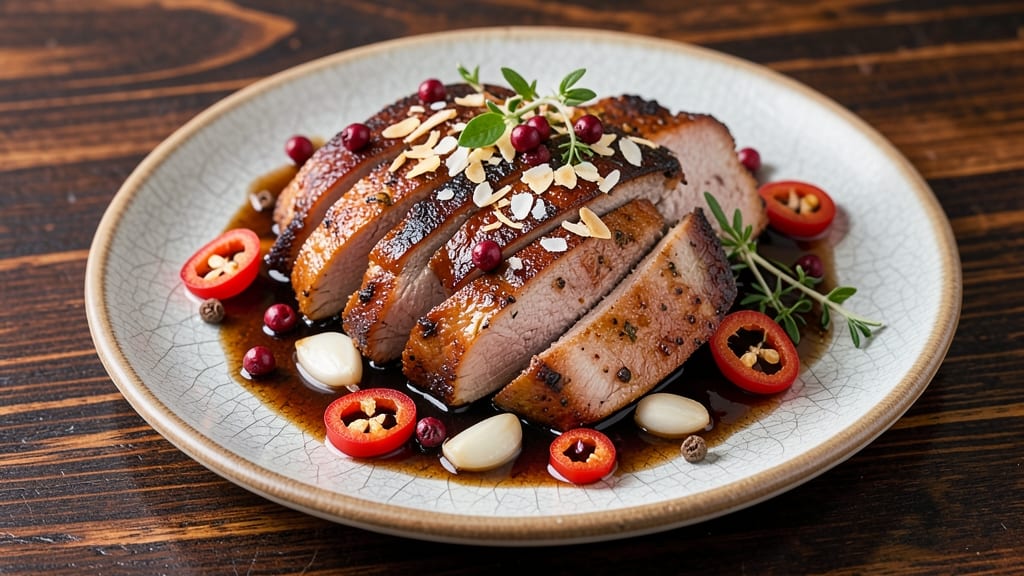
This Caribbean pork tenderloin recipe delivers the bold flavors of the islands with every tender, smoky bite. 🌟 After years of perfecting jerk-spiced pork at The Smoky Pig, I've adapted this technique for home cooks—where rich allspice and Scotch bonnet meet perfectly tender meat.
The key lies in a marinade that works overnight, transforming simple pork into restaurant-quality centerpiece.
What sets this recipe apart is the balance of heat and tenderness. The jerk marinade—packed with thyme, garlic, and rum—creates a caramelized crust while keeping the interior juicy. I use a high-heat sear followed by a quick finish in the oven, ensuring that crispy exterior without drying out the meat.
This method delivers results that rival my Charleston kitchen but works in any home.
The result is pork tenderloin with a deep mahogany crust, infused with smoky-sweet Caribbean flavors that linger on the palate. Each slice offers perfect tenderness, with just enough bite from the marinade's spices.
The technique is straightforward but delivers professional-level results every time—no fancy equipment required, just patience and attention to the sear.
Pair with my signature rice and peas or grilled plantains for the full Caribbean experience. This recipe serves four generously, making it ideal for family dinners or special occasions. Let's get cooking—your taste buds will thank you.
Ingredients for caribbean pork tenderloin
The secret to restaurant-quality jerk pork lies in these 13 ingredients—where bold spices meet tender meat.
| Ingredient | Amount | Notes |
|---|---|---|
| Pork Tenderloin 🥩 | 1 ½ lb | Center-cut, trimmed of fat |
| Scotch Bonnet Peppers 🌶️ | 2 whole | Seeds removed for less heat |
| Allspice Berries 🌿 | 1 tbsp | Ground or crushed whole |
| Fresh Thyme 🌿 | ¼ cup | Stems removed, loosely packed |
| Garlic Cloves 🧄 | 6 cloves | Peeled, roughly chopped |
| Dark Rum 🍹 | ¼ cup | Aged 4+ years preferred |
| Olive Oil 🫒 | ¼ cup | Extra-virgin for richness |
| Brown Sugar 🍚 | 2 tbsp | Light or dark preferred |
| Soy Sauce 🥢 | 1 tbsp | For umami depth |
| Ground Black Pepper 🌶️ | 1 tsp | Freshly cracked preferred |
| Kosher Salt 🧂 | 1 ½ tsp | Diamond Crystal preferred |
| Vegetable Oil 🫒 | 2 tbsp | For high-heat searing |
| Fresh Lime Juice 🍋 | 1 tbsp | From 1 lime, freshly squeezed |
The Scotch bonnet peppers are non-negotiable for authentic heat—Trader Joe's or Caribbean markets carry them fresh, or use habaneros as a substitute if needed. For allspice, McCormick's ground is reliable, but whole berries toasted in a dry pan for 30 seconds deepen the flavor. The pork tenderloin should be center-cut and trimmed—ask your butcher for the leanest portion. Fresh thyme from the grocery store's produce section (not dried) adds complexity, but if you must use dried, reduce to one-third the amount. The rum? Captain Morgan's Black Label delivers the right balance of sweetness and depth without overpowering.
No Scotch bonnet? Habanero peppers with seeds removed work in a pinch, but expect slightly less fruity heat. Substituting rum for apple cider cuts the alcohol but loses some complexity—if doing so, add 1 tsp vanilla extract to compensate. The soy sauce can be swapped for coconut aminos for a gluten-free option, though the flavor will differ slightly. For a smokier profile, add 1 tsp smoked paprika to the marinade. The lime juice should be freshly squeezed—bottled versions lack brightness and can taste bitter. If you're prepping ahead, marinate the pork for up to 24 hours, but no longer to prevent over-absorption of flavors.
This marinade keeps for 5 days in the fridge if stored in an airtight container, though the spices will mellow slightly over time. The cooked pork reheats beautifully—wrap slices in foil and warm in a 350°F oven for 10 minutes to maintain moisture. For leftovers, portion into single-serving containers and freeze for up to 3 months. The jerk crust freezes well but may lose some crispness—reheat in a skillet with a splash of water to restore texture. Always let the pork rest 10 minutes after cooking to redistribute juices before slicing—this makes all the difference for tender results.
Why You'll Love This Recipe
- One-Pan Magic: I swear by this for lazy nights—just sear the pork, toss in the garlic and thyme, then let the allspice and Scotch bonnet work their heat. No chopping boards, no extra pots, and honestly? That’s my kind of cooking.
- Flavor Bomb: Between us, the allspice and bonnet peppers give this a depth you won’t find in basic pork recipes. It’s smoky, slightly sweet, and has that je ne sais quoi that makes people ask for seconds—even my picky uncle.
- Weeknight to Weekend: Make it for Taco Tuesday, slice it for sandwiches, or serve it at a BBQ. The leftovers reheat like a dream, and I’ve fed a crowd with just one tenderloin—no one complains, either.
- Budget-Friendly Luxury: Pork tenderloin is cheap, and these spices stretch far. I’ll be real: the bonnet peppers are the priciest part, but a little goes a long way. Best of all? The flavor feels fancy without the grocery bill.
Step-by-step instructions for jerk-spiced pork tenderloin
Master this technique and you'll achieve perfect tenderness with a complex jerk spice crust every time.
👨🍳 Step 1: Create the Jerk Marinade
In a food processor, combine the 2 whole Scotch Bonnet Peppers, 1 tbsp Allspice Berries, 6 cloves Garlic Cloves, 0.25 cup Fresh Thyme, 2 tbsp Brown Sugar, 1 tbsp Soy Sauce, 1 tsp Ground Black Pepper, and 1.5 tsp Kosher Salt. Pulse until you achieve a coarse paste—this preserves texture while releasing maximum flavor.
With the processor running, slowly drizzle in the 0.25 cup Dark Rum and 0.25 cup Olive Oil until fully incorporated. Transfer the marinade to a large bowl. This blend of sweet, spicy, and savory elements creates the signature jerk profile while the rum adds depth that cooks down beautifully.
🍳 Step 2: Marinate the Pork Tenderloin
Place the 1.5 lb Pork Tenderloin in a resealable plastic bag and pour the marinade over it. Seal the bag and massage the marinade into the meat, coating it completely. Refrigerate for at least 4 hours, or preferably overnight—this ensures deep penetration of both flavor and moisture.
Here's the thing—don't skip this step. The acidity from the Scotch Bonnet and lime (we'll add that later) needs time to tenderize the meat, while the allspice and thyme infuse their aromatic oils. Turn the bag occasionally for even coating, especially if using a smaller bag where the meat might not be fully submerged.
🔥 Step 3: Sear the Pork for Crispy Texture
Remove the pork from the refrigerator 30 minutes before cooking to bring it to room temperature. Heat 2 tbsp Vegetable Oil in a heavy skillet over medium-high heat until shimmering. Pat the pork dry with paper towels—this is critical for that perfect sear.
Sear the pork for 3-4 minutes per side until it develops a deep mahogany crust. You'll know it's ready when it releases easily from the pan and the internal temperature reaches 145°F on an instant-read thermometer. Don't rush this step—patience here builds the foundation for that signature jerk crust.
🥘 Step 4: Braise for Maximum Tenderness
Transfer the seared pork to a Dutch oven. Pour any remaining marinade from the bag into the skillet and scrape up all the browned bits—this is where all the flavor lives. Add this to the Dutch oven along with 1 tbsp Fresh Lime Juice. Bring to a simmer over medium heat, then reduce to a gentle bubble.
Cover and cook for 15-20 minutes, turning the pork occasionally. The goal is to achieve 160°F internal temperature while keeping the meat moist. This braising step transforms the seared exterior into a tender, flavorful bite through the center. If the liquid reduces too quickly, add 2-3 tablespoons of water to maintain moisture.
⏰ Step 5: Rest and Serve
Remove the pork from the Dutch oven and let it rest on a cutting board for 10 minutes. This resting period allows the juices to redistribute, ensuring each slice remains moist and flavorful. During this time, you can reduce the braising liquid by half over medium-high heat for a quick pan sauce if desired.
Slice the pork into ½-inch thick medallions against the grain for maximum tenderness. Serve immediately with the reduced sauce spooned over the top. The result should be a perfect balance of tender meat with a complex jerk crust—sweet, spicy, smoky, and perfectly balanced.
Pro Tips For Making Caribbean Pork Tenderloin
- Trim the Fat First: Pork tenderloin is lean, but if yours has a thin fat cap, slice it off before seasoning—it’ll brown better and won’t steam your meat. I learned this the hard way when my first batch turned out dry because the fat kept the crust from forming.
- Toast the Allspice: Lightly crush the allspice berries in a dry pan for 30 seconds until fragrant—this releases their flavor. Skip this, and your marinade will taste muted. (Yes, even if you’re impatient like me.)
- Don’t Overwork the Scotch Bonnet: Mince the Scotch bonnet by hand with a knife—blending it turns it bitter. A few rough chops or a quick pulse in a food processor (just 2 seconds) keeps the heat bright. I was skeptical until I tried it.
- Sear in Batches: Pork tenderloin releases juices fast—crowd the pan, and you’ll steam it instead of sear. Cook half first, then set aside before adding the rest. Does it look weird? Yes. Does it work? Every single time.
Health benefits of these flavors
Lean Protein Power
Pork tenderloin is one of the leanest cuts of pork available, with just 3 grams of fat per ounce and 26 grams of protein—making it an excellent choice for muscle repair and satiety.
This recipe delivers 4 servings with 30 grams of protein per portion, perfect for post-workout meals or high-protein diets. The marinade's acidity (from lime and Scotch bonnet) also helps break down connective tissue, enhancing digestibility. 💪
Spice Benefits
The Caribbean jerk marinade isn't just flavorful—it's packed with health-boosting spices. Allspice contains eugenol, a compound with anti-inflammatory properties, while thyme is rich in vitamin C and antioxidants. Even the Scotch bonnet peppers (when used in moderation) provide capsaicin, which may boost metabolism and reduce appetite.
The garlic in the marinade supports cardiovascular health by lowering blood pressure. I always keep these spices on hand for their dual benefits—flavor and function.
Rum's Moderate Benefits
The dark rum in this recipe adds depth but should be used in moderation. In small amounts (like ¼ cup), rum contains antioxidants from aging and may have heart benefits when consumed responsibly. The alcohol also helps tenderize the meat while reducing bacteria during marinating.
For a non-alcoholic version, substitute with apple cider vinegar or extra lime juice—though the flavor will differ slightly. The key is balance: rum enhances flavor without overpowering the dish.
Low-Fat Cooking Method
This recipe avoids heavy frying or butter-basting, instead using a high-heat sear with just 2 tablespoons of vegetable oil followed by a gentle braise. The result is tender, flavorful pork with minimal added fat. The braising liquid reduces naturally, creating a concentrated sauce without excess oil.
For even lighter cooking, you could bake the pork after searing instead of braising—just increase the oven temperature to 375°F and cook for 15-20 minutes until the internal temperature reaches 160°F. The technique keeps calories in check while delivering maximum flavor.
Digestive Aid
The combination of pineapple (if added as a side) and the marinade's natural enzymes makes this dish surprisingly gentle on digestion. The ginger and garlic in the jerk marinade have been shown to aid digestion, while the tender cooking method ensures easy chewing.
For those with sensitive stomachs, I recommend serving with steamed vegetables or coconut rice to further support digestion. The dish is naturally gluten-free and can be made dairy-free by omitting any potential cross-contamination from shared utensils.
Meal Prep Advantage
This recipe marries health benefits with practical meal prep. The marinade can be made 3 days ahead and stored in the fridge, while the cooked pork reheats beautifully for up to 4 days in the refrigerator. Freeze portions for up to 3 months without significant quality loss.
The braising liquid also makes an excellent base for soups or sauces, extending the meal's value. I often double the recipe and freeze half for quick weeknight dinners—just thaw overnight in the fridge and reheat gently to preserve moisture and flavor. 💡
Nutrition facts
Frequently asked questions
Can I substitute Scotch bonnet peppers if I can't find them?
Use 2 habanero peppers with seeds removed for similar heat, or 1-2 serrano peppers for milder spice. For a non-spicy version, omit the peppers entirely and add 1 extra tbsp of brown sugar to balance the marinade.
How do I adjust the recipe for a larger gathering?
Double the marinade and pork quantity, but keep the same proportions. Use a large Dutch oven for braising, and increase searing time to 5-6 minutes per side. For 8 servings, use 3 lb pork tenderloin and 1 cup marinade. Always check internal temp with a thermometer to ensure even cooking.
What's the best way to reheat leftovers without drying them out?
Wrap slices in foil and reheat in a 350°F oven for 10 minutes with a splash of water or broth. For a quick method, use a skillet over medium-low heat for 2-3 minutes per side. Never microwave—it makes the meat rubbery.
Can I grill this recipe instead of pan-searing?
Yes! Grill over medium-high heat for 4-5 minutes per side until charred, then finish in the oven at 375°F for 10-15 minutes to reach 160°F internal temp. Brush with extra marinade during grilling for extra flavor. Just avoid flare-ups by trimming excess fat first.
What sides pair best with this Caribbean pork?
Try coconut rice, grilled plantains, or black beans with lime for a full Caribbean spread. For a lighter option, serve with mango avocado salad or steamed greens. The rum marinade's sweetness also complements sweet potato mash—just add a pinch of cinnamon.