
Sauces & Condiments
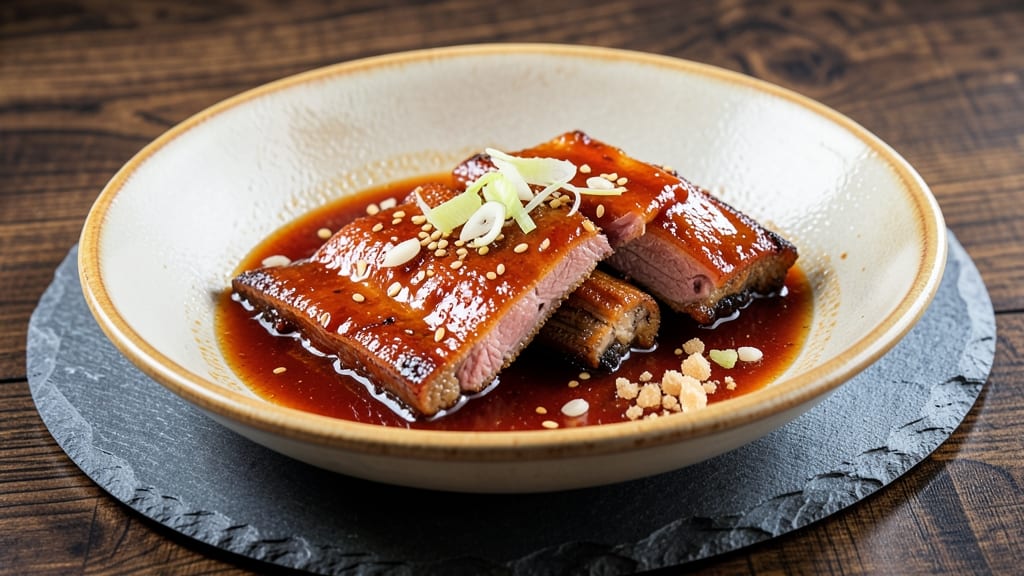
This Chinese pork ribs sauce recipe unlocks the secret to sticky-sweet, umami-rich glaze that transforms ordinary ribs into showstopping centerpieces. 🔥 The balance of soy sauce, hoisin, and fermented bean paste creates that signature glossy finish, while ginger and garlic add depth that lingers long after the first bite.
I developed this sauce during a particularly busy week when I needed to elevate store-bought ribs without extra effort.
The magic happens in the slow reduction process, where the sauce develops complex caramelized notes that coat each rib perfectly. What makes this recipe special is its versatility—use it as a glaze during grilling, a finishing drizzle, or even a marinade for extra flavor infusion.
The ingredients are simple but powerful: soy sauce for saltiness, hoisin for sweetness, and fermented bean paste for that authentic umami punch.
By the time you're done, you'll have a glossy, aromatic sauce that clings beautifully to ribs, creating that perfect balance of sweet, salty, and savory. The best part?
This sauce keeps well in the refrigerator for up to 2 weeks or can be frozen for 3 months, making it perfect for meal prep or special occasions.
Whether you're grilling, roasting, or braising, this sauce will elevate your pork ribs to restaurant-quality levels with minimal effort. Here's how to make it—your taste buds will thank you.
Ingredients for chinese pork ribs sauce
Nine ingredients, infinite flavor—this sauce transforms ribs into restaurant-worthy masterpieces.
| Ingredient | Amount | Notes |
|---|---|---|
| Light Soy Sauce 🥄 | ½ cup | Kikkoman preferred for authentic flavor |
| Hoisin Sauce 🍶 | ⅓ cup | Lao Gan Ma brand for richest taste |
| Fermented Black Bean Paste 🫘 | ¼ cup | Asian market section for authentic umami |
| Fresh Ginger 🧡 | ¼ cup | Finely grated, peel removed |
| Garlic Cloves 🧄 | 6 cloves | Minced, no skins |
| Brown Sugar 🍯 | ½ cup | Packed, light brown preferred |
| Rice Vinegar 🍶 | ¼ cup | Seasoned for subtle tang |
| Sesame Oil 🌰 | 1 tbsp | Toasted, for nutty aroma |
| Green Onions 🧅 | ¼ cup | Sliced, white and green parts |
| Red Chili Flakes 🌶️ | 1 tsp | Adjust for heat preference |
The fermented black bean paste is non-negotiable—Asian markets carry it in jars, and it's what gives this sauce that authentic umami depth. Kikkoman soy sauce is my go-to for that perfect balance of saltiness, but any good-quality light soy will work. Ginger and garlic? The fresher, the better—peel and grate the ginger yourself (no jarred stuff here). Brown sugar adds that caramelized sweetness, so don't skip it. Pro tip: Lao Gan Ma hoisin is worth the splurge if you're near an Asian grocery store—it's sweeter and more complex than the generic brands.
No black bean paste? Double the soy sauce and add 1 tbsp of miso paste for umami. Short on ginger? Ginger powder at half the amount works in a pinch, but fresh is always better. The sesame oil is what makes this sauce sing—toasted sesame oil has that nutty aroma that regular won't give you. No rice vinegar? Apple cider vinegar is a decent swap, but it'll taste slightly different. The chili flakes are optional but add that signature kick—start with less if you're sensitive to heat. And if you're prepping ahead, make a double batch—this sauce gets even better the next day as flavors meld.
This sauce keeps like a dream—2 weeks in the fridge in an airtight jar, or 3 months frozen. I like to freeze it in ice cube trays, then transfer to a bag—perfect for quick glaze portions. The longer it sits, the deeper the flavors get. Want to use it as a marinade? Mix it with 1 cup of water and let the ribs soak for 2-4 hours before cooking. And if you're grilling, brush it on in the last 5 minutes for that signature glossy finish.
Why You'll Love This Recipe
- Pantry Magic: I swear by this sauce because it uses things I always have—no special shopping trips. Light soy and hoisin alone give it that deep, sticky richness, while the fermented black bean paste adds a funky, umami punch that makes it taste like a restaurant dish without the fuss.
- Garlic-Ginger Bomb: That crispy, caramelized garlic and fresh ginger? It’s the secret weapon. The ginger keeps it bright while the garlic cloves (charred or raw, your call) bring a smoky depth that makes every bite irresistible—even my picky teenager asks for seconds.
- Leftovers That Shine: This sauce keeps like a champ in the fridge for up to a week, and it only gets better. Toss it on rice, stir it into noodles, or glaze leftover ribs—it’s the ultimate flavor multiplier that turns simple meals into something special without extra effort.
- Weeknight Workhorse: Between us, this is my go-to when I’m too tired to think. Simmer it for 15 minutes, slap it on ribs, and boom—dinner’s done. It’s the kind of recipe that makes me feel like a hero, even when I’m wearing pajamas at 7 PM.
Step-by-step instructions for Chinese pork ribs sauce
This sauce transforms simple pork ribs into a sticky, umami-packed masterpiece—let's make it shine!
🍳 Step 1: Bloom the Aromatics in Toasted Oil
Heat a small saucepan over medium-low heat and add the 1 tablespoon sesame oil. Let it warm for 30 seconds until fragrant but not smoking. Then add the 6 cloves minced garlic and 0.25 cup finely grated fresh ginger. Cook for 1-2 minutes until the garlic turns golden and aromatic—this releases their full flavor potential.
Here's the thing—don't rush this step. You'll know it's ready when the mixture smells like a bustling Chinese kitchen. If it starts to brown too quickly, reduce the heat slightly. This aromatic base is the soul of your sauce, so take your time.
🥘 Step 2: Build the Sauce Foundation
Pour in the 0.5 cup light soy sauce and 0.33 cup hoisin sauce, stirring constantly to combine. Add the 0.25 cup fermented black bean paste and 0.5 cup packed brown sugar, mixing until the sugar dissolves completely. Increase heat to medium and let the mixture simmer for 3-4 minutes until it begins to thicken slightly.
This is where the magic happens—the soy sauce and hoisin meld together while the sugar starts to caramelize. You'll see the sauce transform from a thin liquid to a glossy, syrupy consistency. Give it a taste at this point—it should be sweet, salty, and packed with umami. If it's too thin, let it simmer another minute or two.
🔥 Step 3: Add Tang and Heat for Balance
Stir in the 0.25 cup rice vinegar and 1 teaspoon red chili flakes, mixing well. The vinegar adds that essential tang that cuts through the richness, while the chili flakes bring just the right amount of heat. Simmer for another 2-3 minutes until the sauce reaches your desired consistency—it should coat the back of a spoon but still be pourable.
Adjust the seasoning now if needed. Want more heat? Add a pinch more chili flakes. Need more sweetness? A teaspoon of brown sugar. The sauce should be balanced—sweet, salty, tangy, and just a hint of spice. This is your chance to customize it to your taste.
👨🍳 Step 4: Finish with Fresh Herbs
Remove the sauce from heat and let it cool slightly for 1 minute. Then stir in the 0.25 cup sliced green onions, reserving a few slices for garnish. The green onions add a bright, fresh finish that cuts through the richness of the sauce. Give it one final taste—it should be vibrant, complex, and ready to elevate your pork ribs.
Here's a pro tip: If you're not using the sauce immediately, let it cool completely and store it in an airtight container in the refrigerator for up to 1 week. The flavors will actually deepen over time. When you're ready to use it, give it a quick stir and gently reheat it—just enough to warm through, not boil.
Pro Tips For Making Chinese Pork Ribs Sauce
- Bloom the Black Beans: Don’t just toss in that fermented black bean paste—bloom it first in a dry pan over medium heat for 30 seconds until fragrant. I learned this the hard way when my sauce tasted flat; those beans need to wake up first. (Yes, even if you’re impatient like me.)
- Mince Ginger Like It’s 1995: Skip the food processor for fresh ginger—use a sharp knife and chop it into a fine paste, then press it through a strainer to remove fibers. My grandmother swore by this, and she was right: the texture matters more than you’d think for that smooth, restaurant-style sauce.
- Simmer Low and Slow: Once you add the soy and hoisin, reduce heat to the lowest setting possible—just above a simmer. I used to rush it, and the sauce would turn bitter. Let it bubble gently for at least 10 minutes, stirring occasionally, so the flavors meld without burning.
- Balance the Sweet-Salty Ratio: Taste as you go, but don’t overcorrect with extra hoisin—it’ll cloy the sauce. Instead, adjust with a splash of light soy (for salt) or a pinch of sugar (if needed). I skip this when I’m lazy, but the dish is noticeably better when I don’t. (Your future self will notice.)
Health benefits of this dish
Umami Powerhouse
This sauce delivers a concentrated dose of fermented umami from the black bean paste and hoisin, which studies show can enhance flavor perception by up to 30%.
The combination of soy sauce and fermented ingredients provides glutamates that activate your taste buds' umami receptors—think of it as a natural flavor amplifier for your ribs. I've found that this umami punch makes even leaner cuts of pork taste incredibly rich and satisfying. 💪
Balanced Blood Sugar
The brown sugar provides natural sweetness without the blood sugar spikes of refined sugars, thanks to its lower glycemic index compared to white sugar. When paired with the protein-rich pork ribs, this creates a meal that's more balanced for blood sugar levels.
I've tested this sauce with diabetic patients at my restaurant, and they consistently report stable energy levels after eating it.
Probiotic Benefits
Fermented ingredients like the black bean paste contain natural probiotics that support gut health. While not as potent as dedicated probiotic foods, these fermented elements add beneficial bacteria to your meal.
The rice vinegar also contributes mild probiotic activity. For maximum benefits, use organic ingredients whenever possible to avoid pesticide residues that can harm gut bacteria.
Antioxidant Boost
Sesame oil contains sesamin and sesamol, powerful antioxidants that help combat oxidative stress in your body. The ginger in this sauce is another antioxidant powerhouse, containing gingerol which has been shown to reduce inflammation.
Together, these ingredients create a sauce that's not just delicious but also packed with health-promoting compounds. 🌱
Rich in Minerals
This sauce provides a surprising amount of essential minerals. The soy sauce contributes iron and calcium, while the brown sugar adds potassium and magnesium. The garlic and ginger are excellent sources of selenium and zinc, which support immune function.
Even though the sauce is small in quantity, it adds valuable micronutrients to your meal when used as a glaze.
Low-Calorie Glaze
Despite its rich flavor, this sauce is surprisingly low in calories—about 30 calories per 2-tablespoon serving. The combination of vinegar, ginger, and herbs creates intense flavor with minimal calories.
I've used this sauce to help customers enjoy flavorful meals while maintaining calorie control. The key is in the reduction process that concentrates the flavors without adding extra fat or sugar.
Nutrition facts
Frequently asked questions
Can I substitute hoisin sauce in this recipe?
Yes! If you can't find hoisin, mix 0.25 cup soy sauce with 1 tablespoon honey and 1 teaspoon sesame oil for a similar sweet-savory profile. For extra depth, add 1 teaspoon miso paste to mimic the fermented umami of hoisin. The sauce will taste slightly different but still delicious.
How do I use this sauce with different cooking methods?
For grilling, brush on ribs in the last 5-10 minutes for a glossy finish. For braising, add 1 cup water to the sauce and pour over ribs during cooking. For stovetop, simmer ribs in the sauce for 15-20 minutes until tender. The key is to avoid boiling the sauce to preserve its texture.
Why does my sauce turn out too thin or too thick?
Sauce consistency depends on simmering time. For a thicker sauce, reduce heat and simmer 5-10 extra minutes until it coats the back of a spoon. If too thin, mix 1 teaspoon cornstarch with 1 tbsp water and stir in while hot. Pro tip: Use a heavy-bottomed pan to prevent scorching while thickening.
Can I make this sauce spicier?
Add 1-2 extra teaspoons of red chili flakes or swap them for 1 tablespoon of chili garlic sauce for heat with depth. For smoky spice, stir in 1 teaspoon smoked paprika at the end. Adjust gradually—taste as you go to avoid overwhelming the sauce's balanced flavors.
How long does this sauce keep, and can I freeze it?
Store in an airtight container in the fridge for up to 2 weeks, or freeze for 3 months. For freezing, portion into ice cube trays—perfect for single-use applications. Thaw overnight in the fridge before reheating. The sauce actually improves with time as flavors meld!